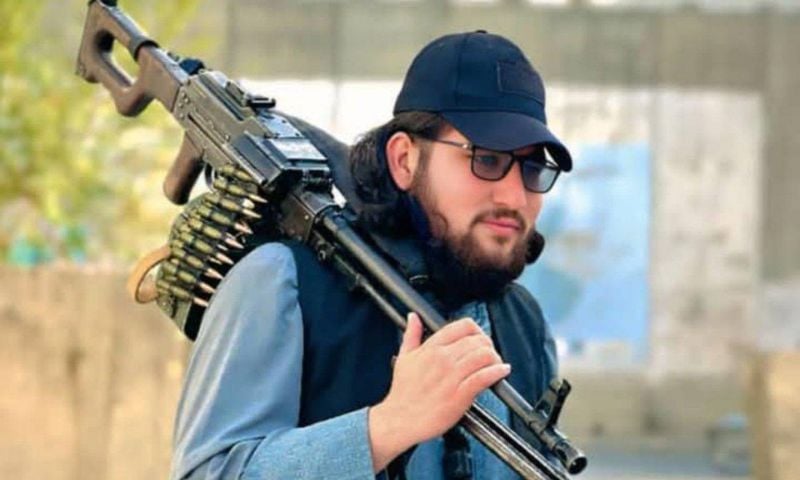
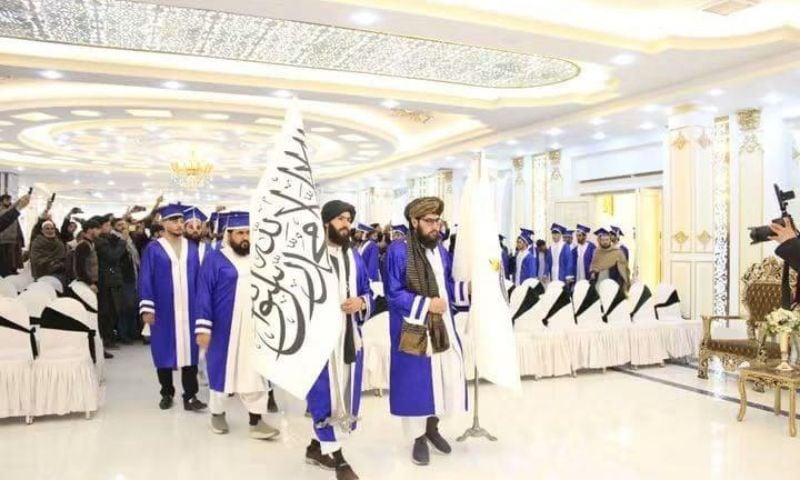
ISLAMABAD: The Taliban regime’s growing support and patronage of terrorist groups is increasingly drawing even educated Afghan youths into the ranks of the banned Tehrik-i-Taliban Pakistan terrorist group, as another Afghan national who had completed his MBBS degree in Kabul in January was killed during Pakistani security forces’ counterterrorism operation in Kurram district while fighting alongside terrorists.
Afghan national Ubaidullah Saeed was killed while fighting alongside Fitna al-Khawarij terrorists in Pakistan three days ago.
Fitna al-Khawarij is the term used by Pakistan to refer to terrorists affiliated with the banned Tehreek-i-Taliban Pakistan (TTP), while Fitna al-Hindustan is used for terrorist organisations operating in Balochistan.
Ubaidullah was the son of a doctor and belonged to Shah Qila village in Afghanistan’s Logar province.
Surge in terror activities
Pakistan has witnessed a surge in terror activities, particularly in its Khyber Pakhtunkhwa and Balochistan provinces, since 2021, when the Afghan Taliban came into power.
Islamabad has repeatedly urged the Taliban regime to dismantle terrorist sanctuaries on Afghan soil, particularly those linked to the banned TTP terrorist network. However, the Taliban regime has failed to take any action against the terrorist sanctuaries on Afghan soil.
Due to the surge in terrorist attacks, Pakistan has intensified counterterrorism operations to eliminate the menace.
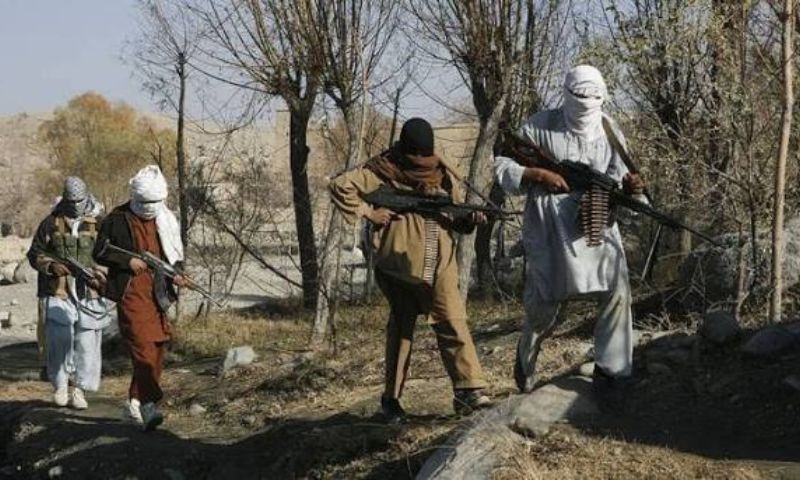
UN says Taliban support fueled deadlier attacks in Pakistan
Last month, a United Nations Security Council-mandated monitoring group said Afghan Taliban’s support for the Tehreek-e-Taliban Pakistan (TTP) fueled deadlier attacks in Pakistan in the last six months, adding that the terrorist threat emanating from Afghanistan remained “largely unchanged.”
The TTP, which has carried out some of the deadliest attacks in Pakistan since 2007, has stepped up its attacks in the South Asian country in recent years, killing dozens of security personnel and civilians, mainly in Pakistan’s northwestern and southwestern regions that border Afghanistan.
ALSO READ: US Rejects Taliban Regime Call for Investment in Afghanistan
In its report to the UNSC president, the Analytical Support and Sanctions Monitoring Team stated that the ability of numerous terrorist groups to operate in Afghanistan has constituted an “enduring threat to neighbouring countries” and the Central Asian region.
“Regional tensions in South Asia remained high as cross-border attacks between Pakistan and Afghanistan continued,” read the report released on Aug. 10.
Taliban intelligence chief secretly visits India
It is pertinent to mention that Abdul Haq Wasiq, the head of Taliban intelligence, secretly visited India in August on an unannounced and unofficial trip and held meetings with Indian security officials and political leaders, security sources said.
Details of this trip and the consultations and potential agreements between Taliban intelligence officials and India were not disclosed.
According to security sources, Wasiq’s trip was “entirely confidential” and, unlike recent public trips by Taliban officials, no official announcement was made.
The covert nature of the trip raised serious questions about what the Taliban intelligence leadership was seeking in India and what was discussed behind closed doors.