



Key points
- Seifert and Allen’s record unbeaten stand
- Salt and Buttler key early enforcers
- Aggressive openings shifting modern T20 tactics
ISLAMABAD: In a T20 World Cup where margins are measured in single overs, the first six deliveries of an innings can shape the entire match. The powerplay — when only two fielders are allowed outside the circle — has again become cricket’s most volatile phase, and early evidence from the 2026 tournament suggests teams with fearless starters are gaining a decisive edge.
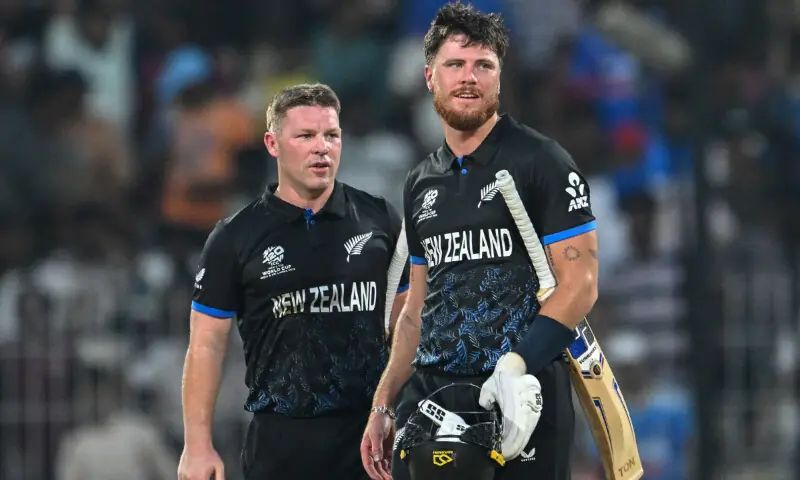
New Zealand have provided the clearest warning to rivals. Tim Seifert and Finn Allen produced a brutal opening display against the UAE, chasing 174 without losing a wicket in just 15.2 overs. Their unbeaten partnership of 175 off 92 balls was described as a record-setting stand, underlining how quickly an aggressive pair can erase any target before the middle overs even begin.
England, too, have shown the value of a fast start — even when early wickets fall. In their defeat to West Indies, they reached 67 for one at the end of the powerplay, a platform that briefly kept them in touch with a demanding chase. However, the match also highlighted the fine line between momentum and collapse, as England’s chase later unravelled despite that early scoring rate.
Among England’s most feared powerplay options, Phil Salt remains a batter opponents plan around, with the ICC’s own tournament coverage highlighting his boundary-hunting intent at the top. Jos Buttler, meanwhile, continues to carry the reputation of a player who can win matches in a single burst, but the pressure on England’s top order has grown after inconsistent returns in key chases.
Sahibzada Farhan
Pakistan’s campaign has also underlined how a powerplay enforcer can change a game’s tone. Against the USA, Sahibzada Farhan played the defining innings in a 32-run win, giving Pakistan the kind of early impetus that allows bowlers to attack with scoreboard pressure behind them.
Even newer teams are leaning into the same template. The UAE’s batting has drawn attention for positive intent, with ICC highlights noting they managed 50 runs in the first powerplay against New Zealand — evidence that associates are no longer content to “survive” the opening overs.
As the tournament progresses across India and Sri Lanka, the message is clear: the most dangerous powerplay players are not just entertainers — they are tactical weapons. When they fire, they shorten games, distort bowling plans, and force captains into defensive fields before the match has even settled.