


ISLAMABAD: The investigation into the Sydney beach attack has increasingly shifted from the immediate crime scene to the suspects’ movements, documentation, and ideological background, placing the case within a broader international security context.
Central to this evolving assessment is the discovery that the father and son accused of carrying out one of Australia’s deadliest mass shootings spent nearly the entire month preceding the attack in the Philippines, with the father entering the country as an Indian national.
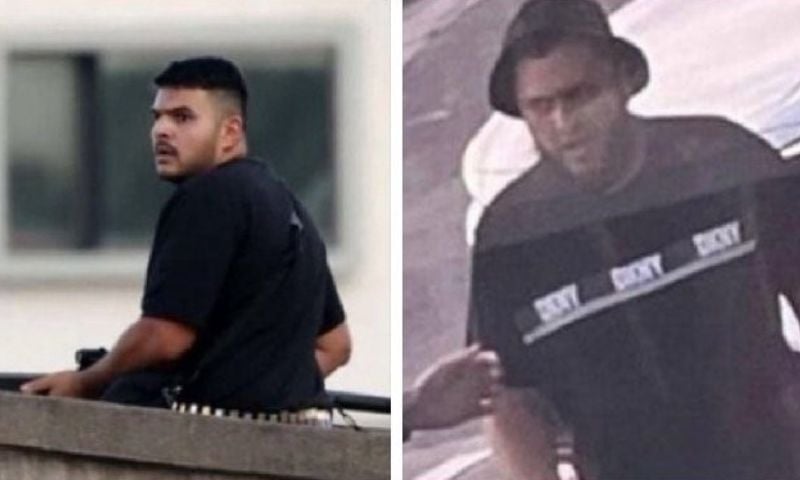
Philippine immigration authorities have confirmed that Sajid Akram, aged 50, arrived in the Philippines on November 1 using an Indian passport, while his 24-year-old son, Naveed Akram, entered as an Australian national. Both listed Davao, in the southern Philippines, as their destination and remained in the country until November 28, when they departed via Manila en route to Sydney.
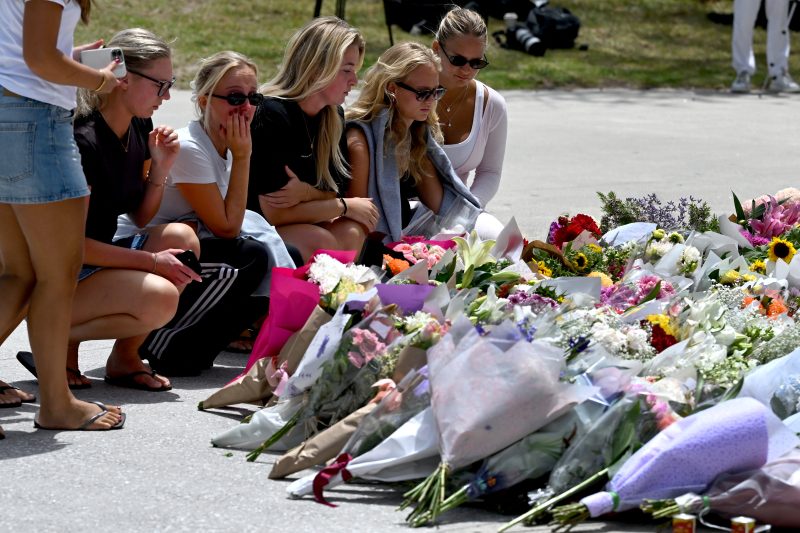
The timeline places their return to Australia only weeks before the December attack at a Hanukkah gathering on Sydney’s Bondi Beach that left 15 people dead and dozens injured.
This travel pattern has raised particular questions because the father had lived in Australia for nearly three decades, while the son was born and raised there. Despite this long association with Australia, the father’s reliance on an Indian passport for international travel shortly before the attack has emerged as a key line of inquiry for investigators assessing nationality status, travel intent and identity management.
Security analysts note that the use of specific travel documents can sometimes indicate efforts to obscure movement histories or exploit differing scrutiny regimes across jurisdictions.
The destination itself adds a further layer of complexity. Davao lies on Mindanao, a region that has long been associated with Islamist militancy. Groups such as Abu Sayyaf and the Maute network, both of which have pledged allegiance to Islamic State, have carried out dozens of attacks over the past two decades.
The 2017 siege of Marawi, in which Islamic State-aligned fighters seized the city for five months, remains a defining example of the region’s vulnerability to transnational jihadist influence.
Australian authorities have said the attackers were influenced by Islamic State ideology, an assessment supported by material recovered during the investigation, including Islamic State-related symbols. While no official confirmation has been made of direct operational contact between the suspects and militant groups in the Philippines, security experts note that pre-attack travel to a region with an established extremist footprint inevitably attracts heightened scrutiny, particularly when ideological alignment has already been identified.
According to officials familiar with the inquiry, Australian intelligence agencies have formally engaged their Indian counterparts, seeking additional background on the father’s nationality records, passport history, and prior movements.
Such cooperation is standard in cases involving cross-border travel and suspected ideological radicalisation, especially when different citizenship statuses exist within the same family unit.
Analysts caution against conflating nationality with culpability, stressing that terrorism investigations require careful separation of verified facts from assumptions based on identity, religion or origin.
At the same time, they argue that passport usage, travel destinations, and ideological indicators form a legitimate evidentiary matrix that must be examined collectively.
At this stage, the case illustrates wider challenges confronting counter-terrorism agencies: the ease of international movement, the strategic use of identity documents, and the persistence of the Islamic State’s ideological reach despite the group’s territorial defeats.
As investigators in Australia, the Philippines, and India continue to exchange information, officials say any definitive conclusions will depend on corroborated intelligence rather than political narratives or early attribution.