



Key Points
- Rain and thunderstorms forecast in northern mountainous regions on March 6-7 and March 9-11
- Temperatures across much of Pakistan’s plains expected to remain 5–8 degrees centigrade above seasonal averages
- Dry weather likely to persist in most lowland areas over the coming days
- Authorities warn of pressure on water resources and wheat crops in rain-fed regions
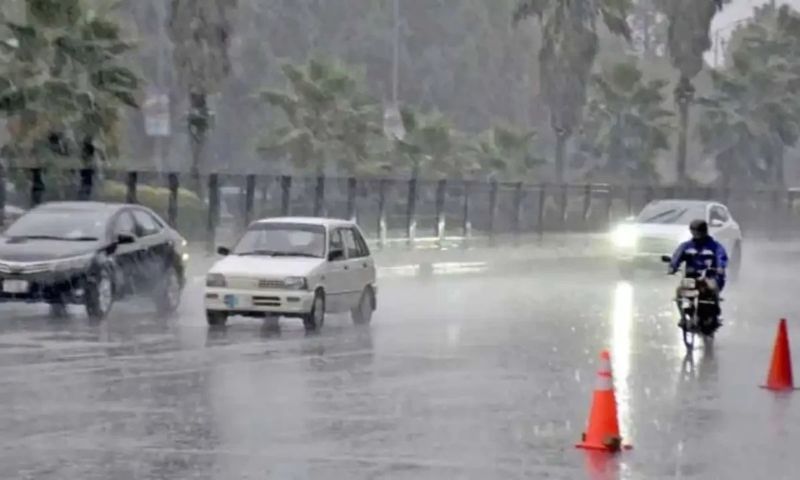
ISLAMABAD: Pakistan’s meteorological authorities have forecast intermittent spring rain and thunderstorms in the country’s northern mountainous regions in the coming days, even as unusually high temperatures and dry conditions grip much of the south.
The Pakistan Meteorological Department said districts in the north, including Chitral, Dir, Swat, Kohistan, Mansehra and Abbottabad, as well as Gilgit-Baltistan and Azad Jammu and Kashmir, could receive light to moderate rain accompanied by wind and thunderstorms on March 6-7 and again between March 9 and 11.
Isolated showers are also possible in and around Islamabad and the nearby Pothohar plateau, including the Murree and Galliyat hill areas, on March 10 and 11.
Despite the northern rainfall, most of Pakistan’s plains are expected to remain dry, with temperatures already running significantly above seasonal averages.
Daytime temperatures are forecast to stay about 6 to 8 degrees centigrade above normal in Khyber Pakhtunkhwa, Islamabad, Punjab and northern Balochistan.
Southern parts of Balochistan and Sindh province are also expected to experience temperatures around 5 to 7 degrees centigrade above the seasonal norm, with nighttime temperatures gradually rising as well.
Meteorologists said the persistent dry weather and rising temperatures could place additional pressure on water resources and agriculture, particularly wheat crops in rain-fed areas that depend on seasonal rainfall.
Higher temperatures are also expected to increase evaporation rates, potentially raising irrigation demand in farming regions.
Agricultural authorities have advised farmers to ensure timely irrigation where possible and to manage crops carefully in response to prevailing weather conditions.
Officials have also urged the public and relevant authorities to take essential steps to conserve water and prepare for possible agricultural impacts if the dry spell continues.