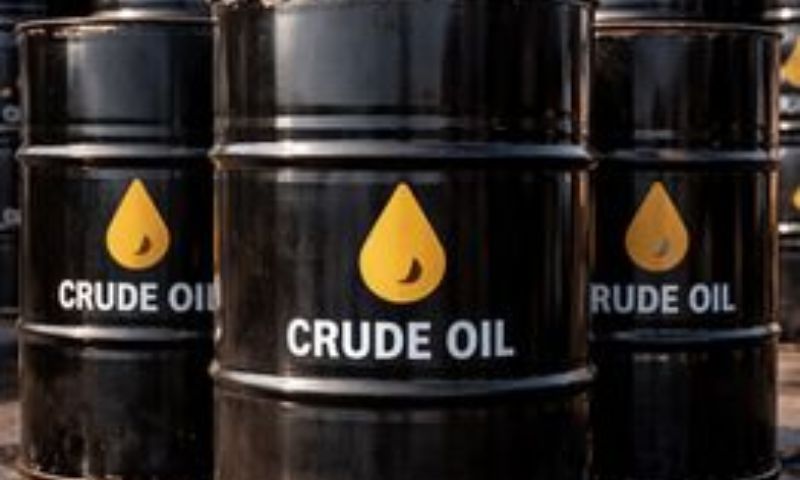



SEOUL: South Korea has secured an additional 18 million barrels of crude oil from the United Arab Emirates (UAE), as escalating tensions involving Iran continue to disrupt global energy supply chains and drive up oil prices.
The announcement came on Wednesday, with Presidential Chief of Staff Kang Hoon-sik confirming that the shipments would be delivered through multiple channels designed to bypass the Strait of Hormuz—a critical maritime route that has become increasingly unstable.
Approximately 70 percent of South Korea’s crude oil imports typically pass through the strait, which Iran has effectively shut down following US-Israeli military strikes that began on February 28. The closure has raised serious concerns in Seoul over energy security and supply continuity.
According to AFP, under the new arrangement, six million barrels will be transported via three UAE-flagged vessels, while an additional 12 million barrels will be shipped on six South Korean-flagged tankers. Officials stated that these deliveries would utilize alternative routes, though specific details were not disclosed for security reasons.
Kang emphasized the urgency of diversifying supply lines, noting that reliance on a single chokepoint like the Strait of Hormuz poses significant risks during geopolitical crises.
In addition to the latest deal, South Korea has expanded its energy cooperation with the UAE by securing a flexible agreement that allows it to purchase crude oil on an emergency basis whenever needed.
This builds on a prior arrangement for four million barrels of imports and access to up to two million barrels from jointly managed strategic reserves stored within South Korea.
The ongoing conflict has also prompted the South Korean government to introduce a fuel price cap for the first time in nearly three decades, reflecting mounting pressure on domestic energy markets.
As of late 2024, South Korea consumes roughly 2.5 million barrels of oil per day, making it one of the world’s largest energy consumers and particularly vulnerable to supply disruptions.