



Key Points
- Police and military investigators conduct raids at intelligence and defence facilities
- Search warrants were executed at 18 locations, including the National Intelligence Service headquarters
- Three military officers and one intelligence official were booked as suspects
- North Korea alleges sovereignty violation; Seoul denies military involvement
ISLAMABAD: South Korean police and military investigators have launched sweeping raids on key intelligence and defence facilities as part of a widening investigation into alleged unauthorised drone flights that may have entered North Korean airspace, authorities said.
A joint military-police task force executed search-and-seizure warrants at 18 locations, including the National Intelligence Service (NIS) and the Defence Intelligence Command, collecting documents and electronic data linked to the suspected flights. The operation also covered the residences and offices of individuals under investigation, Yonhap, South Korea’s primary state-backed news agency, reported.
Police have formally booked three active-duty military officers and one NIS official on suspicion of violating aviation and national security laws. Authorities have not released the identities of the suspects and said the inquiry remains ongoing.
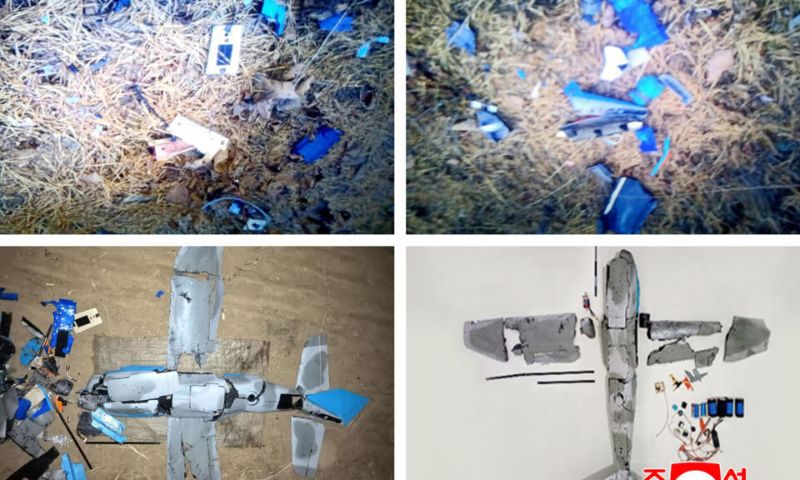
The probe follows accusations by the Democratic People’s Republic of Korea (DPRK) that a surveillance drone crossed from the South into its airspace on January 4 and was downed inside northern territory. Pyongyang has demanded an explanation, describing the incident as a breach of sovereignty. Seoul has rejected claims that its armed forces conducted the flights and says no evidence so far links the military to the drones.
President Lee Jae-myung ordered a comprehensive investigation after the allegations surfaced, directing security agencies to determine responsibility and prevent any recurrence.
The case has triggered domestic debate over oversight of intelligence activities and the risks posed by unauthorised operations near one of the world’s most heavily fortified borders.
The development highlights persistent fragility on the Korean Peninsula, where the two Koreas remain technically at war since the 1950–53 conflict ended in an armistice rather than a peace treaty. Any suspected airspace intrusion carries potential diplomatic and security consequences for a region closely watched by global powers.