
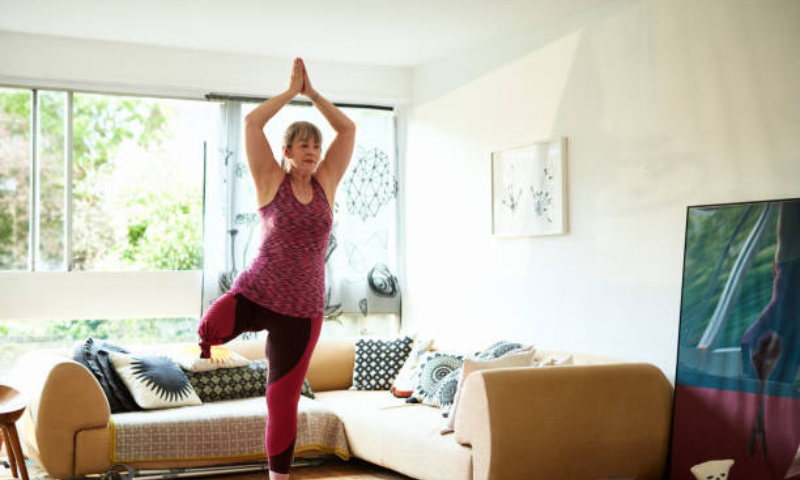



ISLAMABAD: Standing on one leg may seem simple, but health experts say it offers important clues about balance, muscle strength and overall well-being — and could play a role in healthier ageing.
Research indicates that the ability to maintain balance on one leg reflects how well the body’s muscles, nervous system, and brain are working together. Studies show that balance tends to decline after the age of 50, increasing the risk of falls and related injuries, a major cause of disability among older adults worldwide.
Indicator of ageing and physical health
Medical researchers note that balance tests, including standing on one leg, are increasingly used as indicators of functional health. Poor balance has been linked to higher risks of falls, fractures, and reduced mobility, while better balance is associated with longer independence later in life.
Benefits for muscles and the heart
Standing on one leg engages core muscles, hips, and legs, helping to strengthen areas essential for posture and stability. Stronger muscles provide better support for the spine and joints, making everyday activities such as walking, climbing stairs, and standing more stable and efficient.
Positive effects on the brain
Balance exercises also stimulate brain regions involved in coordination, focus, and movement control. Health specialists say this neural engagement may support cognitive functions such as attention and memory, particularly as people age.
Linked to lower health risks
Some studies suggest that individuals who can stand on one leg for at least 10 seconds tend to have lower overall health risks and better long-term outcomes, although researchers caution that balance is just one of many indicators of health.
Reducing fall risk in older adults
Falls remain a leading cause of injury among people over 65. Regular balance training, including standing on one leg, has been shown to reduce fall risk by improving coordination and muscle control.
How to practice safely
Health experts recommend incorporating the exercise into daily routines:
-
Stand on one leg for 10 to 20 seconds
-
Practice on both legs if comfortable
-
Repeat daily; even a few minutes can be beneficial
Those with balance difficulties or a history of falls are advised to begin while holding onto a stable surface, such as a chair or wall, and consult a healthcare professional if unsure.
As populations age globally, simple balance exercises like standing on one leg are gaining attention as low-cost, accessible tools to support physical and cognitive health.