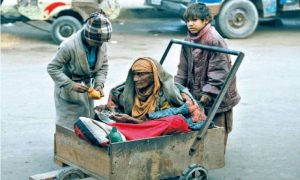



NEW DELHI: India often presents itself as a rising global power—boasting record GDP growth, gleaming airports, expressways and metro networks. But beneath this polished narrative lies a harsher truth: many of India’s biggest cities are becoming increasingly unliveable.
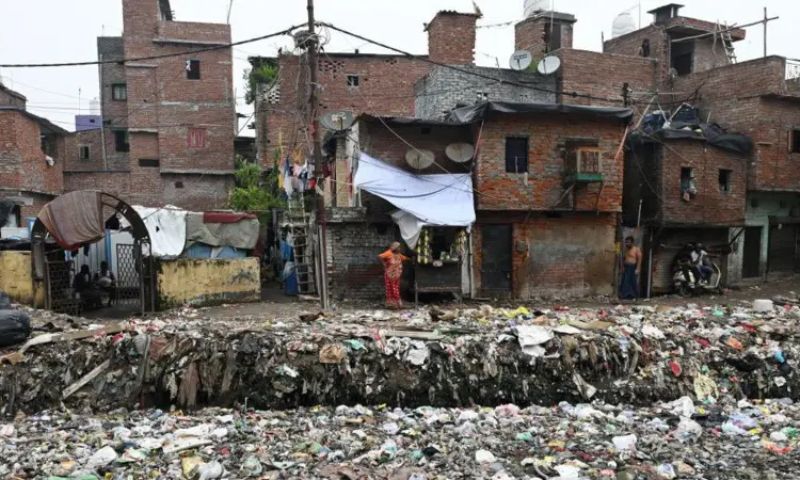
From Jaipur’s heritage zones marred by neglect, to Bengaluru’s traffic paralysis and garbage-strewn streets, to Mumbai’s flood-prone, pothole-riddled roads, daily urban life tells a story starkly different from official claims of transformation. In Delhi, seasonal toxic smog has become so severe that doctors routinely advise children and the elderly to stay indoors—or leave the city altogether.
The contradiction is striking. Hundreds of billions of rupees have been spent on infrastructure, yet Indian cities consistently rank poorly on global liveability indexes. Citizens, entrepreneurs and even international visitors have begun openly voicing frustration, exposing the gap between headline growth numbers and lived reality, according to a BBC report.
Experts argue the crisis is rooted not in a lack of money, but in broken urban governance. India’s constitutional framework never fully empowered city governments to manage megacities of tens of millions. Although the 74th Constitutional Amendment in 1992 promised decentralisation, real authority remains concentrated with state governments and bureaucracies.
“As a result, mayors and local councils are among the weakest arms of the state,” says sanitation historian Ankur Bisen. They lack power to raise funds, hire staff or plan long-term solutions—while state chief ministers effectively act as “super mayors.”
This stands in sharp contrast to China, often cited as a comparator. Chinese city mayors wield strong executive authority, operate under clear national mandates and are rewarded—or penalised—based on performance. India’s cities, by comparison, suffer from fragmented responsibility and limited accountability.
The problem is compounded by poor data. India’s last census was conducted over 15 years ago, when urban residents officially made up 30% of the population. Today, nearly 40–50% of Indians are believed to live in urban or semi-urban areas—but policymakers are still planning with outdated numbers.
Despite occasional success stories—such as Surat or Indore—these improvements have depended on exceptional individuals rather than durable systems. Once those officials move on, progress often stalls.
India’s global messaging highlights growth, modernisation and ambition. But its cities reveal a different reality: choking air, broken roads, unmanaged waste and neglected heritage. Until urban governance is genuinely reformed and cities are given real power, India’s claims of an urban renaissance will remain more slogan than substance.
As one infrastructure expert put it, India may still be waiting for its own “Great Stink” moment—a crisis so undeniable that meaningful urban reform can no longer be postponed.