



Key points
- Self-examination highlighted as first step in breast cancer prevention
- President, PM urge nationwide awareness and early screening
- WHO stresses timely detection and equitable access to treatment
- Doctors say surgery, chemotherapy, and reconstruction ensure high recovery rates
- Healthy lifestyle and breastfeeding reduce long-term cancer risk
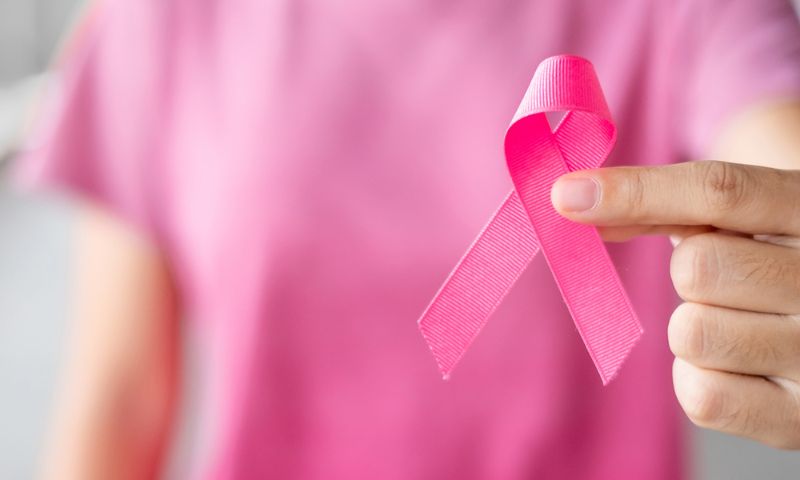
ISLAMABAD: As the world observes International Breast Cancer Awareness Day on Sunday (October 19), health experts and global organisations have reminded women that self-examination remains the first and most effective step in breast cancer prevention.
According to health experts, self-examination enables the earliest possible detection of cancer, which is curable with an over 90 per cent success rate, and that simply can save lives.
In Pakistan, both President Asif Ali Zardari and Prime Minister Muhammad Shehbaz Sharif issued messages urging women to prioritise regular screening and to overcome social taboos that delay medical consultation. The President said in his message that “early detection greatly increases the chances of complete recovery.” The President reaffirmed Pakistan’s “unwavering commitment to eliminate preventable deaths from breast cancer through awareness and access to healthcare.”
The Prime Minister, in a separate statement, called upon public and private institutions to extend screening and diagnostic facilities to rural and underserved communities. “The fight against breast cancer cannot be confined to cities; awareness and access must reach every woman, everywhere,” he said, according to an official statement quoted by the Associated Press of Pakistan (APP).
Awareness and Self-Examination
Medical experts describe breast self-examination as a simple, monthly routine in which women look for visible changes and feel for any unusual lumps, thickening, or discharge. According to the World Health Organisation (WHO), such checks should ideally begin by the age of 20 and be repeated every month, preferably a few days after the menstrual cycle.
Health professionals stress that most breast changes are benign, but prompt consultation with a doctor is essential when abnormalities persist. “Early detection through self-awareness and timely clinical examination remains the cornerstone of breast cancer control,” the WHO said in its 2025 message marking Breast Cancer Awareness Month.
Screening, Diagnosis and Treatment
Doctors say screening through ultrasound and mammography—a low-dose X-ray—can identify early-stage cancer before symptoms appear. In Pakistan, several public hospitals and provincial programs now offer subsidised or free mammography facilities for women over 40, while awareness drives continue to promote clinical examination for younger women.
Once diagnosed, treatment depends on the stage and spread of the disease. It may include surgery, chemotherapy, radiation therapy, hormonal therapy, or targeted biological treatment.
In early-stage cancer, surgery often removes the tumour while preserving most of the breast tissue. However, in advanced cases, full breast removal—known as mastectomy—may become necessary to stop the disease from spreading. Surgeons say that reconstructive surgery using implants or tissue grafts can restore breast shape and help survivors regain confidence.
“Modern oncology offers effective treatment and a high survival rate when breast cancer is detected early,” said a WHO regional oncology specialist in a message issued from Geneva. “Patients should never lose hope; recovery and quality of life are now achievable goals.”
Chemotherapy and Post-Operation Care
For many patients, chemotherapy—the use of anti-cancer drugs—is an essential phase after surgery. While side effects such as hair loss, nausea and fatigue are common, oncologists note that newer medicines and supportive therapies have made the process safer and more tolerable.
Post-operative care focuses on psychological well-being, physical therapy, and regular follow-up to detect any recurrence. Local cancer foundations and women’s health groups in Pakistan have increased counselling and community-support programmes for survivors, aiming to reduce stigma and reintegrate patients into normal social and professional life.
Prevention, Nutrition, and Breastfeeding
Experts emphasise that while not all causes of breast cancer are preventable, several lifestyle choices can significantly lower risk. Maintaining a healthy weight, exercising regularly, limiting alcohol consumption, avoiding smoking, and consuming a balanced diet rich in fruits and vegetables are among the recommended measures.
Doctors also highlight breastfeeding as a natural protective factor that lowers hormonal exposure and boosts immunity. “Breastfeeding for even a few months can reduce a mother’s lifetime risk of developing breast cancer,” noted the WHO’s South-East Asia office in a regional awareness statement.
The Global Picture
According to the World Health Organisation (WHO), in the most recent full-year estimates (2022), more than 2.3 million women were diagnosed with breast cancer, and around 670,000 deaths were recorded. While newer global data are still being compiled, these figures highlight that breast cancer remains the world’s most common cancer among women.
The WHO’s current campaign theme — “Every Story Is Unique, Every Journey Matters” — underlines the urgent need for early detection, equitable treatment and support for survivors everywhere.
Scenario Back Home
In Pakistan, where awareness is rising but stigma persists, the Ministry of Health and the National Breast Cancer Control Programme are expanding early-detection units and mobile clinics. Universities, media outlets, and community organisations have also joined “Pink October” events to promote screening and education.
“Every woman deserves the right to early diagnosis, affordable treatment and dignified recovery,” President Zardari said in his message. “Let us break the silence and save lives.”