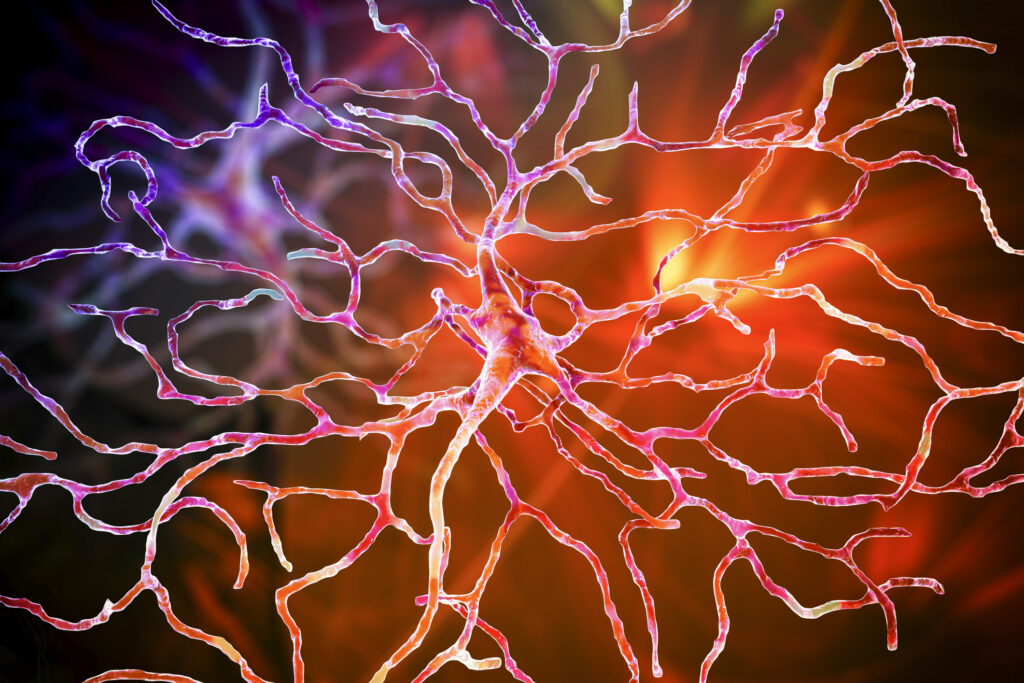



Scientists have implanted “organoids” — human brain cells, into newborn rat brains, where the cells have grown and developed connections.
Brain “organoids” are stem lab-grown, self-organizing structures utilized in research to better understand the development of the brain and the emergence of diseases.
However, these structures lack the connections observed in human brains, limiting their use. To address this, a team has implanted human organoids into the brains of newborn rats, demonstrating that the implanted “organoids” respond to stimuli and may impact the animals’ behavior.
The research is a part of an effort to better understand how the most complicated organ in the body, the brain, shapes who we are but has long been cloaked in mystery.
Read More: First Lady Calls for a Vigorous Awareness Campaign to Control Breast Cancer
The human brain has not been particularly accessible, according to Dr. Sergiu Pasca, senior author of a report explaining the work published in the journal Nature.
“Many disorders such as autism and schizophrenia are likely uniquely human,” he said. About 1 billion individuals, or one in every eight people globally, suffer from mental health problems, according to the World Health Organization (WHO).
The COVID-19 pandemic is said to have caused a significant surge in psychiatric issues worldwide.
Pasca believes brain “organoids” might be used to evaluate new therapies for neuropsychiatric illnesses — the leading cause of disability worldwide.
Such study, he believes, will enable scientists to make breakthroughs that have been incredibly difficult to achieve in the past due to the difficulty of accessing the human brain.