


DAMMAM, Saudi Arabia: Saudi Arabia on Tuesday approved the budget for the new fiscal year 2026, the Saudi Press Agency reported.
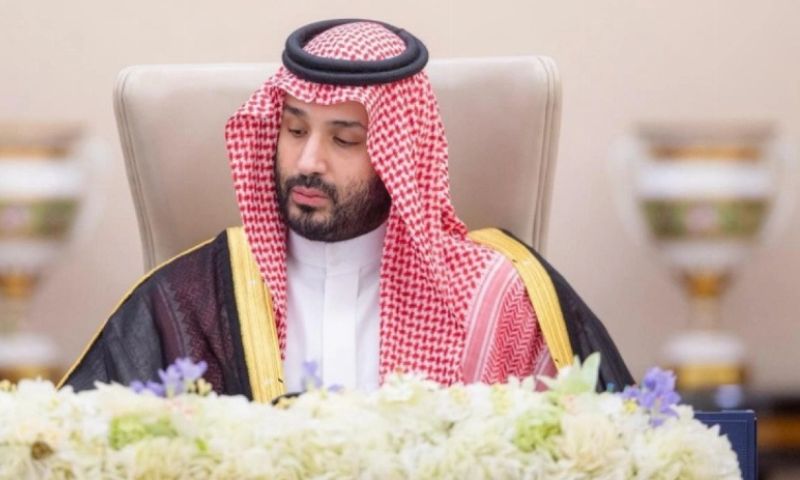
Prince Mohammed bin Salman bin Abdulaziz, Crown Prince, Prime Minister, and Chairman of the Council of Economic and Development Affairs, chaired the Cabinet session in Dammam.
The Cabinet approved general state expenditures totalling SAR 1,312,800,000,000 — roughly USD 349.5 billion.
The state’s general revenues are estimated at SAR 1,147,400,000,000 — about USD 306.0 billion. This leaves the deficit at SAR 165,400,000,000 — approximately USD 44.1 billion.
The Crown Prince instructed ministers and officials to fully implement the programmes, strategies, and development and social projects outlined in the budget, in line with the objectives of Saudi Vision 2030, and to ensure that citizens’ interests remain the top priority.
Prince Mohammed bin Salman bin Abdulaziz, on the occasion, affirmed the government’s commitment to placing citizens’ interests at the forefront of its priorities.
He attributed the significant achievements to the directives of Custodian of the Two Holy Mosques King Salman bin Abdulaziz Al Saud and the efforts of Saudi citizens.
The Crown Prince stated that Saudi Vision 2030 will enter its third phase in 2026, a stage that will require intensified implementation and accelerated progress to ensure the Vision’s impact extends well beyond 2030.
He highlighted that the structural reforms achieved since the Vision’s launch have already strengthened non-oil economic growth, kept inflation below global averages, improved the business environment, empowered the private sector, and reinforced the Kingdom’s status as a global economic and investment hub.
He further added that the government remains committed to supporting economic growth and ensuring fiscal sustainability, thereby enhancing the national economy’s resilience to global volatility while maintaining the momentum of sustainable development.
This commitment, he said, is reflected in the continued adoption of flexible yet disciplined fiscal, economic, and social policies, grounded in long-term planning and the strategic use of sovereign financing tools under the medium-term debt strategy.
The Crown Prince highlighted the Kingdom’s remarkable progress in youth empowerment, noting that the number of Saudi employees in the private sector has reached a historic high of 2.5 million.
This surge in employment has helped bring the national unemployment rate to a record low—surpassing the Vision 2030 target of 7%. He noted that key initiatives have centred on expanding quality job opportunities, fostering entrepreneurship, and advancing women’s participation in the workforce.
He also pointed out that reforms in the real estate sector have significantly increased homeownership among Saudi families, reaching 65.4% by the end of 2024—exceeding the target set for 2025.
The Crown Prince reaffirmed the government’s commitment to strengthening social support programmes and promoting new investment opportunities.
He lauded the positive indicators of the Saudi economy under Vision 2030 reforms, noting preliminary estimates of 4.6% real GDP growth, driven by a robust 4.8% increase in non-oil activities.
The Crown Prince further noted that ongoing economic reforms have strengthened the role of the private sector, with its contribution rising to 50.3% of real GDP.
“We will continue our steady progress toward achieving our goals, relying on Allah Almighty and placing our trust in Him,” he concluded.