


Key Points
- Saudi Arabia intercepted 439 drones and 36 missiles in three weeks
- Majority of attacks targeted oil-rich Eastern Province
- Al-Kharj air base faced concentrated missile strikes
- UAE, Kuwait and other Gulf states also heavily targeted
- Regional tensions rising with no ceasefire in sight
RIYADH: Saudi Arabia has intercepted hundreds of drones and dozens of missiles in what officials describe as one of the most intense aerial assault campaigns in recent regional history.
The surge in attacks follows Iran’s retaliatory actions against Gulf states after the February 28 US-Israeli strike on Tehran.
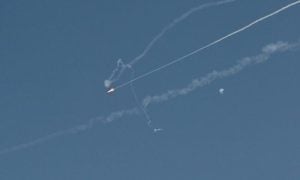
According to data compiled from Saudi Defense Ministry statements and reports by the Saudi Press Agency (SPA), the Kingdom has successfully neutralized at least 439 drones and 36 ballistic and cruise missiles over the past three weeks.
The frequency and scale of these attacks have forced Saudi air defense systems into near-continuous operation.
A significant portion of the drone activity—approximately 278 units—was directed toward the Kingdom’s Eastern Province, a region critical to global energy supply due to its concentration of oil refineries.
Additional strikes targeted Shaybah, a major oilfield deep within the Empty Quarter desert.
According to Arab News, missile attacks were largely concentrated around Al-Kharj, located southeast of Riyadh, where the strategically important Prince Sultan Air Base is situated. The pattern of strikes suggests a focus on both military installations and energy infrastructure.
The conflict has not been limited to Saudi Arabia. Across the Gulf region, multiple countries have come under similar attacks. The United Arab Emirates has experienced the most intense bombardment, with over 165 missiles and 541 drones intercepted.
Kuwait has faced 97 missiles and 283 drones, while Qatar and Bahrain have also reported repeated strikes. Even Oman, traditionally maintaining diplomatic channels with Tehran, has not been immune, with drone strikes reported near the port of Duqm.
Iran has denied intentionally targeting civilian or economic infrastructure, asserting that its operations are aimed at US military assets and Israeli-linked facilities.
However, Gulf nations have strongly rejected these claims, accusing Tehran of endangering regional stability. Several governments have formally protested, summoning Iranian diplomats in response.
The escalating situation has prompted urgent diplomatic efforts. On Wednesday, Riyadh hosted an emergency meeting of Arab and Islamic foreign ministers, aimed at strengthening coordination and exploring pathways to de-escalation.
Despite these efforts, analysts warn that the sustained intensity of attacks and the widening geographic scope of the conflict are rapidly shrinking the opportunity for a peaceful resolution.
With air defenses stretched and tensions rising, the region faces a critical juncture.