


Key Points
- Prominent religious scholars condemn mosque attack and reject extremism
- Council promotes inter‑sect harmony and supports security measures with the government
- Religious leadership pledges ongoing unity programmes and protection of youth from radicalisation
- The declaration emphasises unity against internal and external threats
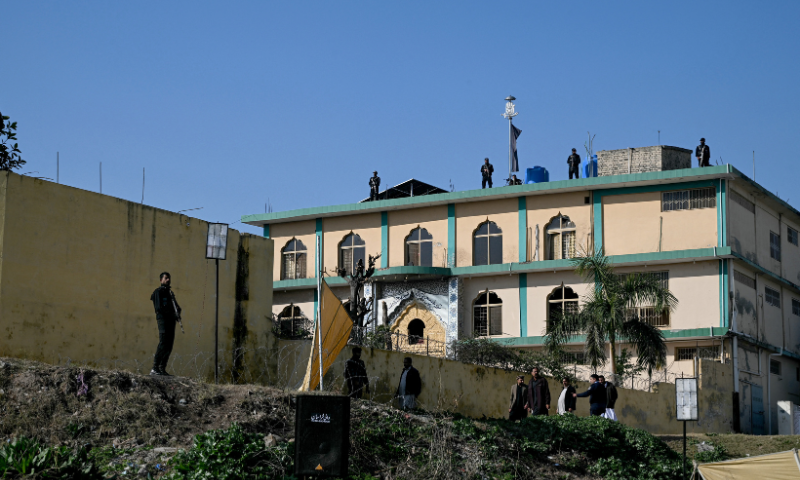
ISLAMABAD: Leading Pakistani religious scholars and elders have issued a powerful declaration of unity and national resolve following a deadly suicide bombing during Friday prayers in the capital, firmly rejecting violent extremism and conspiracies aimed at spreading sectarianism.
The National Peace Message Committee, representing scholars and clerics from all major schools of thought, condemned the attack in the strongest possible terms, calling the targeting of innocent worshippers “contrary to Islamic teachings, human values, and moral principles.”
Under the leadership of Hafiz Tahir Mahmood Ashrafi, representatives of different faith traditions visited the injured, offered prayers, and expressed condolences to the bereaved families, emphasising solidarity and compassion in the face of tragedy.
Religious leaders highlighted that the attack, widely seen as an attempt by anti‑Pakistan forces to sow division and hatred, was neutralised through timely unity and cooperation across communities. “Our shared position is clear: Pakistan’s security and stability are non‑negotiable,” the council’s declaration said.
The committee visited both Imambargah and Masjid Khadijah Al-Kubra, the target of the suicide bomber, to promote respect, harmony, and unity among worshippers, reinforcing the message that places of worship must be safeguarded and protected against violence.
The declaration affirmed that the council and madrassa boards have adopted a unanimous stance to continue the joint struggle against terrorism, extremism, and hate‑filled narratives. In this context, religious scholars pledged full support for the Pakistan Armed Forces and the country’s security agencies, underscoring a united front against all threats to national peace.
The gathering also emphasised that extremism, divisive rhetoric, and sectarian propaganda aim to disrupt Pakistan’s social cohesion and peace. The council stated it has exposed such conspiracies and will continue to counter them through sermons, educational programmes, and religious discourse, promoting tolerance and mutual respect.
To protect the younger generation from radical influences, scholars are committed to intensifying efforts against hateful and takfiri narratives — ideologies that excommunicate and vilify entire communities — and to promote messages of moderation and harmony at every level of religious teaching.
In a strategic move, the conference agreed on a unified plan to continue activities that foster unity and solidarity, permanently.
Religious leaders urged colleagues, clerics, administrators, and the public to remain vigilant, patient, and composed in response to rising threats and to support constructive engagement among all segments of society.
The declaration reaffirmed support for the government’s policy of zero tolerance toward terrorism and urged authorities to ensure that responsible perpetrators are brought to justice.
It also called for strengthened security at mosques, imambargahs, and other places of worship, working closely with law enforcement and relevant authorities to make these spaces safer for all citizens.
With the holy month of Ramadan approaching, the council delivered a message emphasising patience, self‑discipline, brotherhood, mutual sympathy, tolerance, and service to humanity, urging Pakistanis to maintain unity and resilience.
Scholars and clerics said that defeating terrorism and violent extremism requires a broad partnership among the state, religious leadership, media, and the public.
They stressed that national unity and peace must be actively cultivated and sustained.
“We stand shoulder to shoulder with the government of Pakistan, the armed forces, and our citizens,” the conference declaration concluded, vowing to uphold peace, harmony, and stability across the nation.