


ISLAMABAD: During Ramadan in Pakistan, entertainment takes on a unique flavor, blending religious observance with family-friendly fun and city-wide festivities.
The month officially began on February 19, 2026, following the Central Ruet-i-Hilal Committee’s announcement confirming the sighting of the crescent moon. Markets immediately saw a rush of shoppers stocking up for Iftar and Suhoor, reflecting the dynamic mix of spirituality, social life, and consumer culture that defines Pakistan’s Ramadan nights.
As Ramadan 2026 unfolds across Pakistan, the country’s nights have become a vibrant mix of commerce, entertainment, and social activity.
Cities like Lahore and Karachi come alive with Suhoor markets, where crowds gather for traditional street foods such as kachori, band kabab, and golgappay.
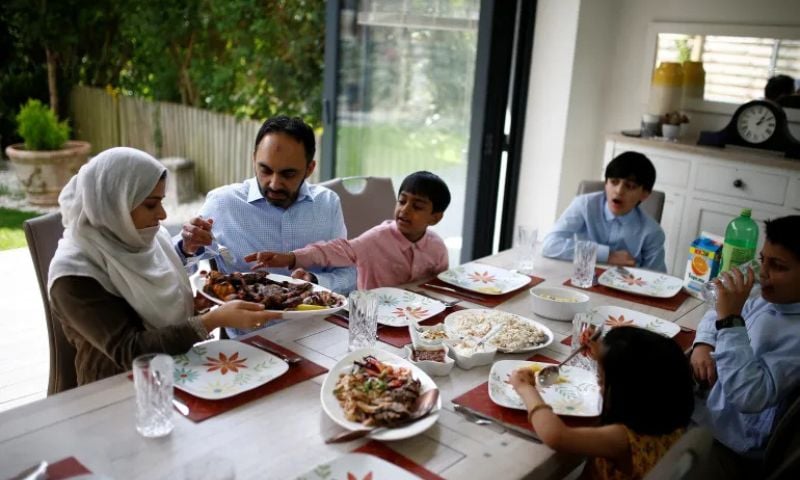
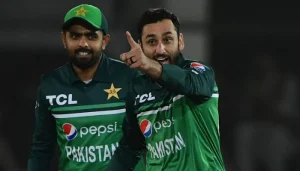
Late-night street cricket and other recreational activities have become staples, helping residents stay awake until the pre-dawn meal, while hotel Iftar and Suhoor dinners are increasingly popular, sometimes causing traffic congestion in busy urban areas.
Delivery services, including riders for platforms like Foodpanda, work tirelessly to ensure meals reach households in time for the fast.
Television remains at the heart of the celebration, with “Ramadan Transmissions” offering a mix of spiritual discussions, cooking segments, and celebrity interviews.
Jeeto Pakistan League
Popular shows include Jeeto Pakistan League (JPL) hosted by Fahad Mustafa on ARY Digital, Shan-e-Ramzan led by Waseem Badami and Iqrar ul Hassan, Bahar-e-Ramadan on Aan TV with Faysal Quraishi, Pyara Ramzan on Express Entertainment, and Baran-e-Rehmat on Aaj Entertainment.
Ramadan-themed mini-series and comedies also dominate primetime after Iftar. Outside the home, cities come alive with Suhoor night bazaars and extended shopping hours, catering to families awake until dawn.
In Islamabad, the Winter Fete Suhoor Night Bazaar at PNCA (March 7, 2026) features over 100 brands, live food stations, drum circles, Sufi dance performances, and magic shows for children.
Major malls in Lahore and Karachi, such as Packages Mall, host Ramadan deals and festive décor, creating a lively, communal atmosphere.
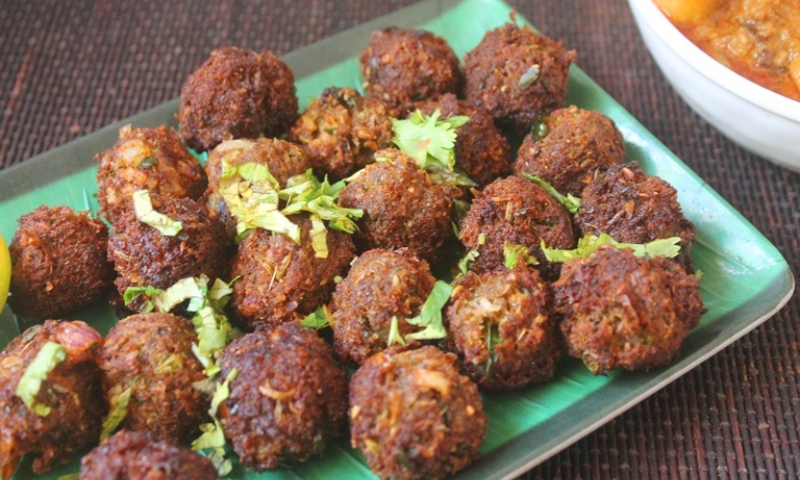
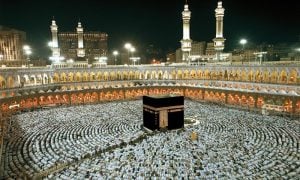
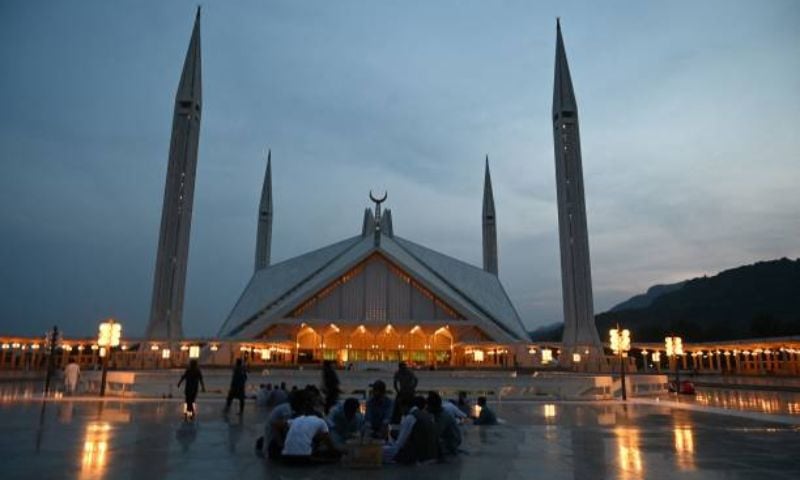
Religious observance remains central, with many attending Taraveeh prayers at local mosques. Yet the holy month has also become associated with feasting and community gatherings, spurring a surge in shopping activity, especially for staples such as dates, samosas, and pakoras.
Together, these television programs, mini-series, and night markets reflect Pakistan’s vibrant Ramadan culture, combining faith, family, and entertainment into a nightly celebration enjoyed across the country.