


Key Points
- Qatar holds separate calls with Pakistan and Afghanistan’s foreign ministers
- DG ISPR confirms 274 Afghan Taliban personnel killed in ongoing operation
- 12 Pakistani soldiers martyred, 27 injured, one missing
- Islamabad reiterates demand for action against TTP sanctuaries
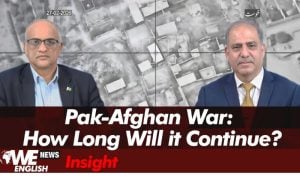
ISLAMABAD: Qatar has stepped up diplomatic engagement with Pakistan and Afghanistan, calling for de-escalation after a sharp rise in cross-border fighting, as Islamabad reported significant militant losses in its ongoing military response.
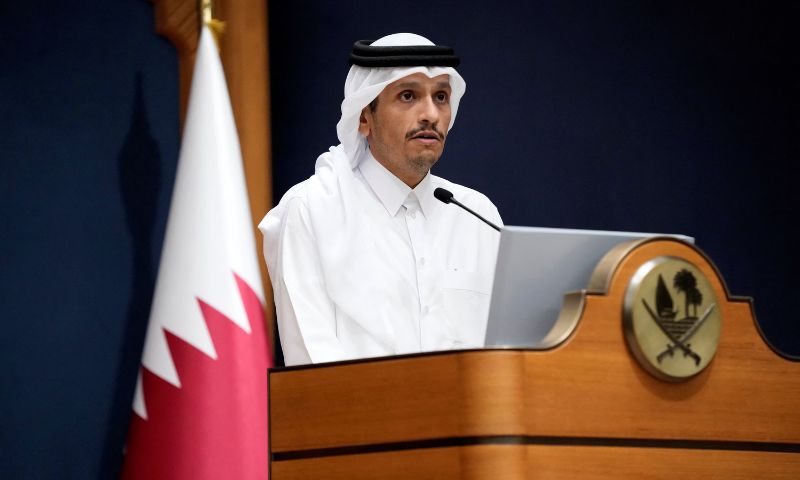
According to statements issued by Qatar’s Foreign Ministry, Minister of State for Foreign Affairs Mohammed bin Abdulaziz Al-Khulaifi held separate telephone conversations with Pakistan’s Deputy Prime Minister and Foreign Minister Ishaq Dar and Afghanistan’s Foreign Minister Amir Khan Muttaqi.
Doha reaffirmed its full support for resolving disputes through peaceful means and stressed the importance of enhancing regional and international stability. Ways to reduce tensions and strengthen security in the region were discussed with both sides.
The diplomatic outreach comes amid continued hostilities along the Pakistan-Afghanistan border. Pakistani authorities have described their actions as a measured and proportionate response to what they term unprovoked aggression and cross-border attacks.
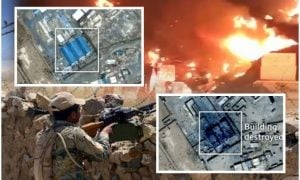
According to the latest official figures shared by the military’s media wing, 274 Afghan Taliban personnel and associated militants have been killed and more than 400 injured in Operation Ghazab Lil Haq. Pakistani forces also reported the destruction of 73 border posts and the capture of 18 positions used by the opposing side.
On the Pakistani side, 12 soldiers were martyred in the line of duty, 27 sustained injuries and one remains missing, according to official data.
ALSO READ: Pakistan, Qatar Discuss Iran and Afghanistan Amid Regional Tensions
The escalation follows Pakistan’s earlier strikes targeting what it described as militant infrastructure near the frontier after a series of attacks inside its territory. Islamabad has maintained that such operations are aimed at safeguarding national security and dismantling networks responsible for violence within Pakistan.
Since the Taliban’s return to power in Afghanistan in 2021, Pakistan has repeatedly called on Kabul to take decisive action against Tehrik-i-Taliban Pakistan, which it designates as a terrorist organisation. Pakistani officials assert that the group operates from Afghan soil and has carried out numerous attacks inside Pakistan. The Afghan administration denies the allegation.
In this context, Qatar’s engagement reflects broader regional concern over the risk of further escalation. Islamabad has reiterated that durable peace hinges on effective counterterrorism cooperation and strict adherence to border security arrangements.