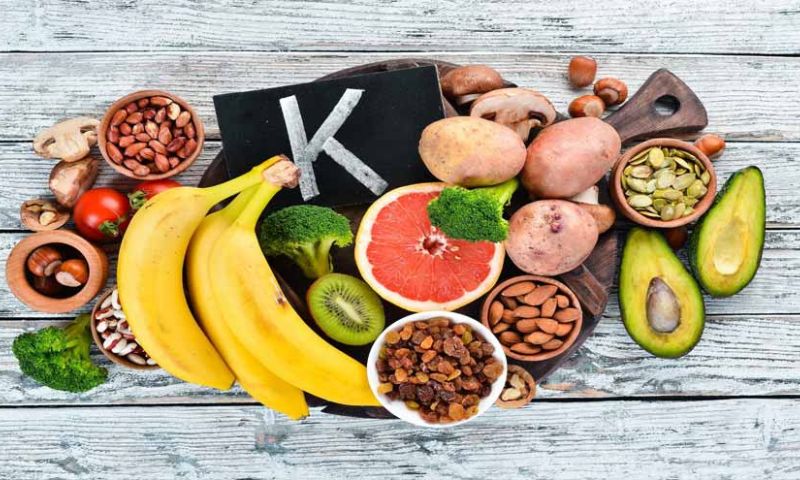



LONDON: A recent research have found that a potassium-rich diet can lower the risk of heart failure by up to 24% and stroke by around 20%.
Medical professionals warn that millions worldwide suffer from potassium deficiency, often without realising it. This hidden deficiency not only increases the likelihood of heart attacks and strokes but can also trigger a variety of lesser-known symptoms.
Professor John Young of Teesside University explained that modern dietary habits—particularly high consumption of ultra-processed foods and excess salt—are major contributors to low potassium levels. He added that public awareness about the importance of this mineral remains limited.
Potassium plays a crucial role in the body, including regulating nerve signals, supporting muscle contraction, maintaining a steady heartbeat, and controlling blood pressure by counteracting the effects of sodium.
Even mild deficiency can lead to symptoms such as muscle cramps, constipation, irritability, and headaches. Severe deficiency may cause confusion, depression, irregular heartbeat, digestive problems, and breathing difficulties, making it a serious health concern if left untreated.
Health authorities, including the National Health Service (NHS) and the World Health Organisation (WHO), recommend that adults consume around 3,500 milligrams of potassium daily. However, surveys indicate that many people—particularly women and young adults—do not meet this requirement.
Studies consistently show that increasing dietary potassium can improve heart health, reduce hospitalisations, and lower the risk of premature death. Foods rich in potassium include potatoes, spinach, beans, yogurt, fruit juices, and fish, which in many cases provide more potassium than bananas.
Experts advise improving overall diet, reducing salt intake, and, where necessary, using supplements to maintain adequate potassium levels. Ensuring sufficient intake of this essential mineral is key to protecting long-term health and preventing life-threatening conditions.