


Key Points
- Stigma in Khyber Pakhtunkhwa forces patients to hide their illness.
- Many HIV-positive people avoid government registration due to fear exposure.
- KP HIV/AIDS Control Programme has 9,700 registered patients receiving treatment.
- Over 35,000 people in KP estimated living with HIV/AIDS.
- Pakistan ranks third-largest HIV-affected country in South Asia.
- HIV spreads through barber blades, unsterilised instruments, transfusions, and injections.
- Early treatment prevents HIV from progressing into life-threatening AIDS.
- KP has 13 government-run centres for free confidential testing.
- Awareness gap and misconceptions fuel stigma and social discrimination.
PESHAWAR, Pakistan: Inside a narrow workshop in Tehkal, Peshawar, the air is thick with the smell of varnish. A grinding machine screams as it cuts through a piece of wood, sending fine dust flying across the room.
In the corner, Ijaz Khan, a thin, quiet carpenter in his late forties, bends over a wooden cupboard, polishing it with steadily.
The machines roar, but his voice is soft.
Khan has been living with HIV for 21 years — longer than some of the young apprentices working around him have been alive. Sitting in his small workshop, he says the biggest battle is not the virus – it is society.
People in Khyber Pakhtunkhwa hate HIV patients. They think it spreads by sitting together or sharing food. Because of this stigma, many hide their illness and avoid treatment, but I am not of them. I told my friends and family that I am infected from virus and you have no worries. I am getting treatment. I am fine but not every AIDS patient has the same story’, Ijaz Khan, an HIV survivor
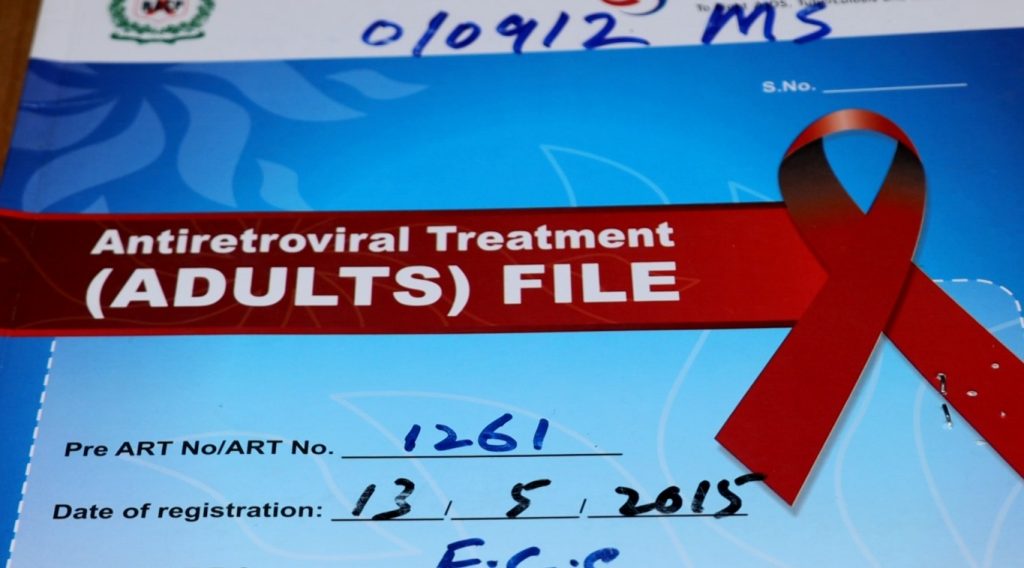
Khan says he personally knows many HIV-positive men who continue treatment silently but refuse to register with the government’s HIV programme out of fear that their status will be exposed.
Facing stigma silently
Similarly, Hakeem Khan, hailing from Upper Dir, gets regular treatment from KP HIVAIDS Centre. He says that HIV is not what scares him anymore. “The virus did not destroy my life. People’s attitudes did.”
Shumaila Jabeen (name changed to protect her identity), 42, a mother of three, says it took her months to accept that she was HIV-positive. She kept her illness a secret even from her family.
“People think HIV means a dirty life. I could not tell anyone. Even a simple fever makes me sick longer. When I tested positive, I cried for three days.”
She was diagnosed while working at a private hospital. After counselling from friends, she started treatment on time. “Thank God, I’m stable now. My children and my husband are safe — because treatment started early.”
Thousands remain uncounted
Data obtained from the Integrated HIV, Hepatitis & Thalassemia Control Programme Khyber Pakhtunkhwa’s Family Care Centre states that the province has seen a staggering 200 per cent increase in HIV/AIDS cases in the last seven years. Yet thousands of people still refuse to come forward due to deep-rooted stigma, discrimination, and fear of social isolation.
According to documents of the KP HIV/AIDS Control Programme, more than 9,700 patients have registered and are receiving treatment. These include: 6,748 men and 2,200 women. The remaining 752 are children and transgender individuals.
However, the Khyber Pakhtunkhwa Population Welfare Department’s Integrated Survey 2025 paints a far more alarming picture: Over 35,000 people in Khyber Pakhtunkhwa are estimated to be living with HIV/AIDS.
Ironically, many are not registering themselves due to stigma, which explains the large difference in data between these two reports. This means tens of thousands remain unregistered, mainly due to stigma, cultural taboos, and fear of being ostracised by family or society.
Over the last seven years, more than 5,000 HIV-positive patients have visited Hayatabad Medical Complex (HMC) and Lady Reading Hospital (LRH) alone, having alarming number of 3,500 men, 850 women, 248 children, and 150 transgender individuals.
Pakistan’s HIV surge
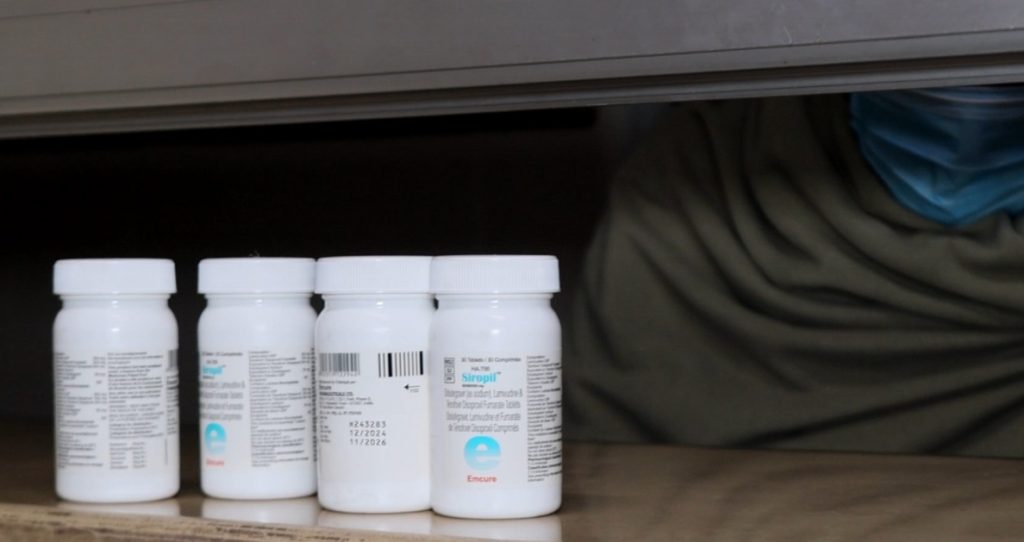
The National AIDS Programme says Pakistan is now the third-largest HIV-affected country in South Asia, behind India and Nepal. The programme estimates that 330,000 people in Pakistan are living with HIV or AIDS.
But health NGOs argue the real figure is much higher, because social shame and cultural barriers prevent thousands from ever coming forward.
Dr. Tariq Hayat, a physician at the Hayatabad Medical Complex in Peshawar, says HIV is not a death sentence anymore, yet people continue to associate it with shame and immorality.
HIV is a lifelong condition, but with proper treatment it can be fully controlled. The real problem is lack of awareness and misconceptions. If HIV is not detected on time, it often leads to AIDS, which is life-threatening.
He explains that HIV spreads through multiple routes not just unsafe sex. Key causes are contaminated barber shop blades, unsterilised instruments at clinics, blood transfusions without proper testing, sharing injections among drug users and use of infected syringes.
“If HIV is not detected on time, it often leads to AIDS, which is life-threatening,” he warns. It merits a mention here that HIV is a virus, while the condition caused by long-term, untreated HIV is called AIDS.
Awareness gap
Shabbir Khan, who has been working in the HIV Control Programme in Peshawar for 13 years as a Lab Officer, says Khyber Pakhtunkhwa has 13 government-run centres, providing free and confidential testing and treatment.
Medicines are available in Pakistan. What we lack is awareness. Our institutions are not doing enough to educate people. The Education Department should add chapters on HIV, hepatitis, and other diseases in the curriculum to break stigma among future generations.
He emphasises the need for the Education Department to add chapters on HIV, hepatitis, and other diseases in the curriculum to break stigma among future generations.
As HIV cases continue to surge across Khyber Pakhtunkhwa, experts warn that without urgent awareness campaigns, stronger community support, and reduction of stigma, the epidemic will keep spreading silently — hidden not in hospitals, but in homes, barber shops, clinics, marriages, and workplaces.
Legal gaps persist
In 2016, the Punjab government passed a law restricting marriage if either person had thalassemia. The same year, a bill was proposed in the Senate to make HIV, hepatitis, and thalassemia testing mandatory before marriage. However, the bill still awaits approval.
On March 4, 2025, the Peshawar High Court directed the Local Government Department to include a mandatory section for thalassemia testing in the marriage deed (Nikah Nama). Yet HIV testing remains unaddressed.
In Sindh, there is a specific law called the Sindh HIV and AIDS Control Treatment and Protection Act, 2013, often referred to as the Sindh HIV Law.
Unluckily, there is no national-level HIV-specific law covering the whole country.
Because of this, many people living with HIV outside Sindh may lack legal protections against discrimination or guaranteed confidentiality.