


Key Points
- Benchmark stock index rises by more than 1,800 points
- Buying returns after steep losses in the previous session
- Industrial and banking shares lead the recovery
- Government export and energy cost relief supports sentiment
- Trading volumes ease from the prior session’s elevated levels
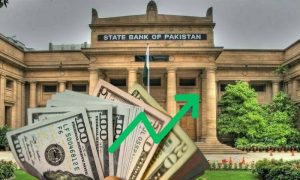
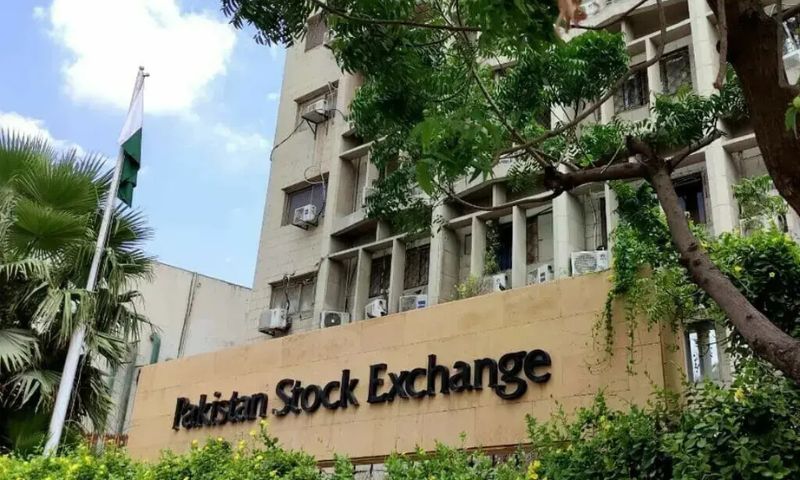
ISLAMABAD: Pakistan’s equity market recovered strongly on Friday, with its main stock index gaining just over one per cent, as investors returned after a sharp sell-off a day earlier and responded positively to government measures aimed at supporting industry, exports, and investment.
The benchmark index of the Pakistan Stock Exchange advanced throughout the session, reaching an intra-day high of 186,619 points before closing at 184,174 points. The gain of 1,836 points marked a recovery of 1.01 per cent, reversing part of Thursday’s heavy losses.
Market participants said the rebound reflected bargain buying after the previous session’s rout, combined with renewed optimism following policy announcements aiming at reducing costs for businesses and exporters.
Large industrial, energy, and banking companies provided the strongest support to the market. Shares of major conglomerates, cement producers, oil and gas firms, and leading banks together contributed nearly 1,200 points to the benchmark’s advance, according to market estimates.
Trading activity remained concentrated in large, liquid stocks, with fertiliser, oil and gas exploration, state-owned banking and telecommunications companies attracting the highest turnover, indicating selective but sustained investor interest.
Sentiment improved further during the second half of the session after Prime Minister Shehbaz Sharif announced a reduction of 300 basis points in the government-backed export financing rate to 4.5 per cent. Investors viewed the move as supportive for export-oriented sectors, particularly textiles, which face intense competition from regional producers.
Additional support came from the government’s decision to reduce electricity tariffs for industries by Rs 4.04 per unit and lower charges for transferring electricity between industrial units by Rs 9 per unit. These measures are expected to ease production costs and improve the competitiveness of Pakistani exports in international markets.
Geopolitical developments also played a role in stabilising sentiment. Official statements from the United States and Iran signalling openness to dialogue and de-escalation helped reduce regional risk concerns, which had weighed heavily on markets earlier in the week.
The recovery followed a steep decline on Thursday, when Pakistan’s stock market suffered a broad-based sell-off. The benchmark index had fallen by more than 6,000 points, or over three per cent, as disappointing corporate earnings, profit-taking, and the unwinding of speculative positions triggered a sharp deterioration in investor confidence.
Global markets remained mixed on Friday. Equity trading in Asia was volatile amid uncertainty over the United States monetary and fiscal policy. Meanwhile, Wall Street closed lower overnight as weaker-than-expected results from major technology companies raised questions about future earnings growth.
In the currency market, the Pakistani rupee recorded marginal gains against the United States dollar, closing at 279.77 in the interbank market, a slight appreciation from the previous session.
Market activity moderated compared with Thursday’s heightened trading volume. Total share volume across the market declined to 805 million shares from 933 million, while the value of shares traded fell to Rs 50.83 billion from Rs 66.41 billion.
Shares of 484 listed companies changed hands during the session. Of these, 258 closed higher, 175 declined, and 51 ended unchanged, reflecting a broadly positive but still cautious recovery in market sentiment.