
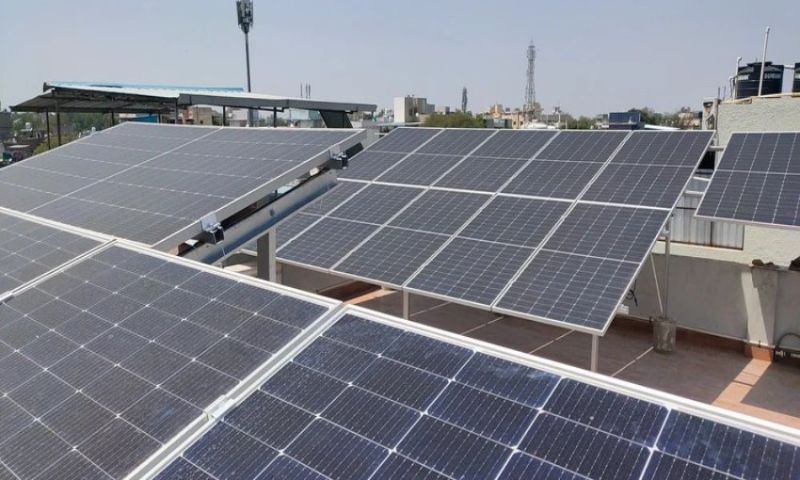



ISLAMABAD: Solar power users in Pakistan are reconsidering their investment choices following the introduction of new prosumer regulations by the National Electric Power Regulatory Authority (Nepra), replacing the long-standing net metering framework with a net billing system.
The new rules reduce the buyback rate for surplus electricity and end the unit-for-unit exchange that previously allowed consumers to offset the power they consumed with the energy they exported.
Under net billing, consumers will continue to receive a regular electricity bill, and the power they sell back to the grid will be adjusted in subsequent billing cycles or settled quarterly, at a rate lower than the retail tariff.
Here are some key questions many electricity consumers are asking, as rooftop solar users grapple with the implications of being formally classified as “prosumers,” meaning they both produce and consume electricity.
Will my existing solar system contract be affected?
No. Contracts signed under the old net metering rules remain valid until expiry. Only new installations or contract renewals will fall under the net billing regime.
How will my electricity bill change?
- Grid electricity will continue to be charged at the full retail tariff.
- Surplus electricity exported to the grid will be purchased at the national average energy purchase price, which is lower than retail tariffs.
- Overall savings are likely to decline compared with net metering.
- Excess export credits may be applied in future billing cycles or settled quarterly, potentially affecting household cash flow.
Does this make solar unprofitable?
Not necessarily. Rooftop solar will still help reduce electricity bills, particularly during daylight hours when self-consumption is highest. However, payback periods are expected to lengthen, and returns will be lower — especially for middle-income households that previously drove adoption of rooftop solar.
What costs do I have to bear now?
Consumers are responsible for interconnection and metering costs, which were sometimes subsidised under the net metering framework.
Should I still install rooftop solar?
Yes — but with careful financial planning. Prospective buyers should calculate returns based on net billing rather than past net metering benefits. Solar remains a hedge against rising tariffs and power shortages, though the financial upside is now more moderate.
What is the government’s message?
The policy aims to minimise fiscal pressure on Pakistan’s electricity sector, improve cost recovery, and protect grid stability. However, it also shifts greater financial responsibility onto consumers.
Concerns surrounding the policy shift have also echoed in Pakistan’s parliament, where senators sought clarity on the new framework. Power Minister Awais Ahmed Khan Leghari told the upper house that the regulator is empowered under law to introduce such changes, stressing that the government must ensure the long-term viability of the national grid amid the rapid expansion of rooftop solar.