


KEY POINTS
- Punjab has rolled out Pakistan’s first province-wide household waste collection system
- About 50,000 metric tons of waste are collected daily across cities and villages
- The programme employs over 143,000 people and is fully digitised
- Waste-to-energy and biogas projects are planned to monetise garbage and cut emissions
ISLAMABAD: Punjab has launched an ambitious province-wide drive to monetise household waste, linking sanitation reforms with job creation, private investment and clean energy production in Pakistan’s first fully digitised solid waste system covering both urban centres and rural communities.
The initiative, rolled out in January 2025 under the Suthra Punjab Authority, now collects around 50,000 metric tons of household waste every day across more than 200 cities and 25,000 villages.
The province, home to nearly 130 million people, had vast rural areas without any formal waste collection system until the launch of the programme, leaving an estimated 85 million residents outside organised sanitation services.
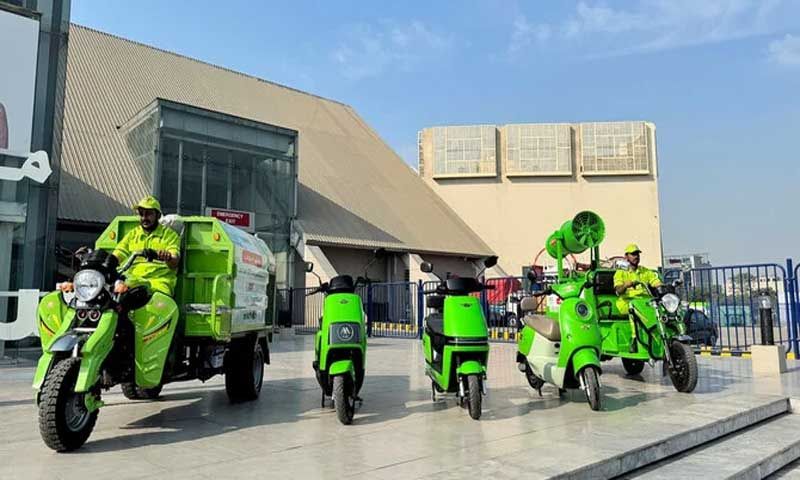
Under the new model, the authority contracts private firms that collectively employ about 143,000 workers and operate over 31,000 vehicles.
Waste collection is digitally tracked, with real-time data from each union council monitored through a central control room at the Lahore Civil Secretariat.
Private contractors have invested more than $535 million in collection infrastructure, supplementing government spending of roughly $330 million.
During 2025, more than 11 million tons of waste were collected under the scheme. To make the system financially sustainable, the provincial government introduced a modest household fee ranging from $1 to $18 per month, with projected annual revenues of about $307 million.
Officials estimate the programme’s overall economic impact at around $1.4 billion annually, driven by employment generation, service contracts and downstream recycling activity.
The system is ISO-certified and inspected by Swiss firm SGS, with provincial authorities seeking recognition from the Guinness Book of World Records for scale and coverage.
Although major cities, including Lahore, already had partial waste services, officials say smaller towns and villages have seen the most dramatic improvements.
Building on collection reforms, Punjab is now moving to convert waste into energy.
The Suthra Punjab Authority is in advanced planning for a 50 MW waste-to-energy power plant that would process about 3,000 tons of mixed municipal waste per day through controlled combustion and energy recovery.
Firms from China and the United Kingdom have expressed interest in developing the project under a public-private partnership framework.
This week, Chief Minister Maryam Nawaz approved the establishment of six biogas plants across the province to promote clean energy, reduce pollution and strengthen energy security.
She also sanctioned a waste-to-energy project aimed at supplying affordable electricity to public transport systems, including metro and electric buses in Lahore.
Additionally, three pilot biogas plants have been cleared under the Model Village Programme to introduce decentralised renewable energy solutions in rural communities.
Officials say these plants will convert organic waste into affordable cooking gas and bio-fertiliser, supporting agriculture and reducing dependence on imported fuels.
With large-scale waste collection now operational and energy conversion projects moving closer to execution, Punjab is repositioning garbage from a public nuisance into an economic resource, betting that sanitation, sustainability and growth can move forward together.