



KEY POINTS
- Balochistan has achieved significant progress in child survival rate.
- Literacy rate in Balochistan improved to 42 percent, alongside a decline in multidimensional poverty levels.
- Govt announced strategic shift from project-centric investments toward systems-oriented, outcome-focused development model aligned with SDGs.
- Govt-owned, SDG-aligned social sector roadmap is being developed to enhance resource mobilization and strengthen partnerships with international development organisations.
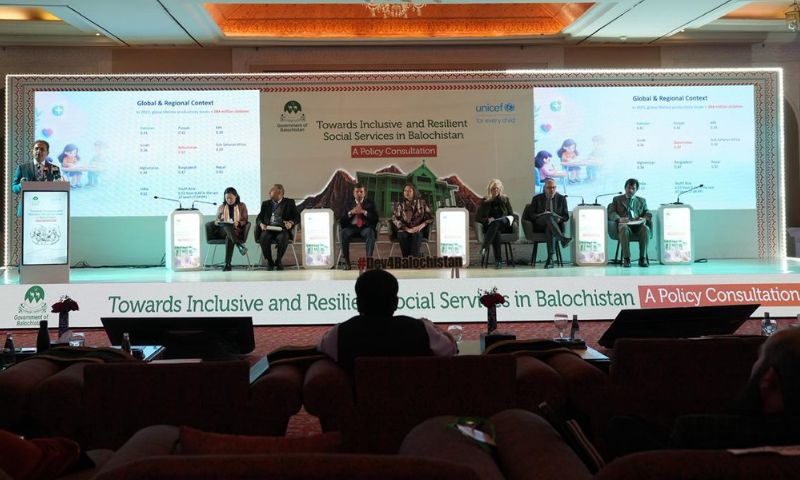
ISLAMABAD: Pakistan’s southwestern province of Balochistan is shifting from project-based development spending to a systems-focused, outcome-driven approach to accelerate human development, provincial officials said on Monday.
The announcement came as new data showed improvements in child survival and literacy rates across the province.
At a high-level policy consultation convened in Islamabad by the Government of Balochistan with technical support from UNICEF, provincial officials announced that Balochistan has achieved a significant milestone in child survival, with infant mortality dropping to 66 per 1,000 live births and under-five mortality declining to 78 per 1,000 live births.
The forum, aimed at charting an ambitious new roadmap for sustainable human development across Pakistan’s largest province, also highlighted gradual improvements in literacy rates, rising to approximately 42 percent, and a decline in multidimensional poverty, demonstrating that sustained investments in health, education, and social protection are delivering tangible results.
Positive gains: Child mortality declines, literacy improves
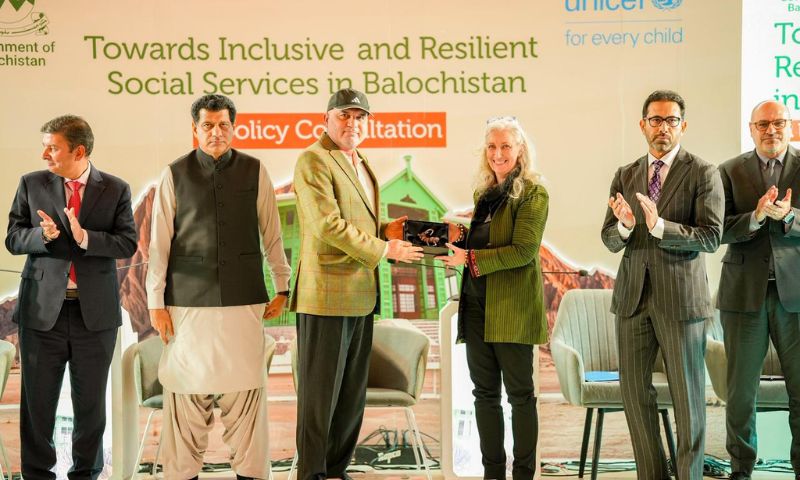
The consultation revealed significant improvements in Balochistan’s social sector performance over the past decade, demonstrating that sustained investments are delivering measurable results.
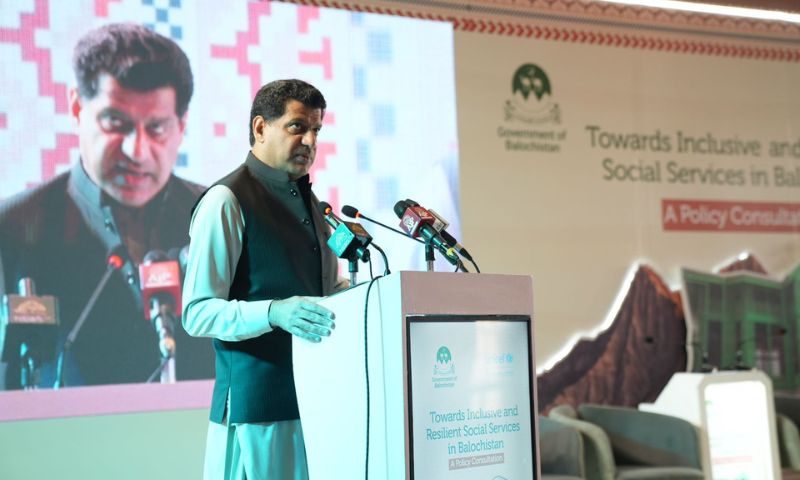
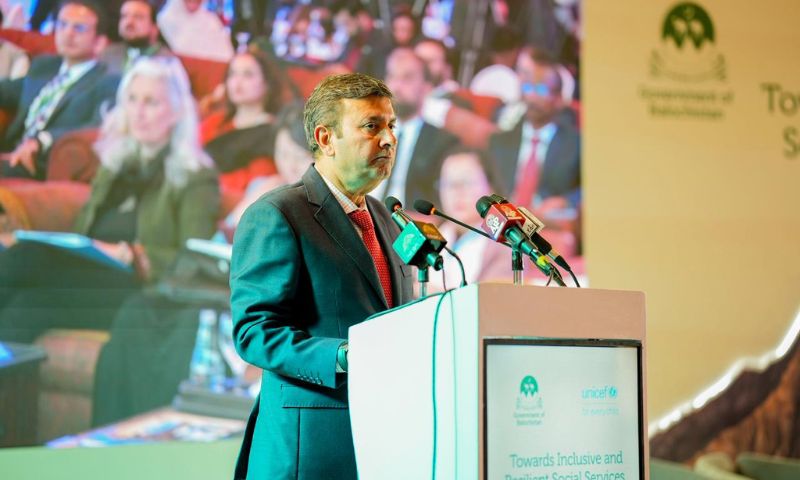
Provincial Minister for Planning and Development Mir Zahoor Ahmed Buledi presented data showing substantial reductions in child mortality rates.
Infant mortality has declined to approximately 66 per 1,000 live births, while under-five mortality has dropped to 78 per 1,000 live births, reflecting the effectiveness of targeted health interventions and child welfare programs.
Literacy rates across the province have shown gradual but steady improvement, rising from around 42 percent in recent years.
Chief Secretary Balochistan Shakeel Qadir Khan highlighted increased utilization of maternal healthcare services and gradual expansion in access to education and social protection programs as additional achievements.
Multidimensional poverty levels have also declined over time, indicating that investments in infrastructure, health, education, and social protection are translating into tangible improvements in people’s lives.
Strategic shift: From projects to systems
The consultation marked a fundamental transition in Balochistan’s development approach.
Minister Buledi announced that the Government is moving away from a project-centric model toward a systems-oriented, outcome-focused framework aligned with the Sustainable Development Goals.
Key priorities under the new approach
- Integrating health, nutrition, education, and social protection systems
- Leveraging digital and data-driven tools for improved planning and accountability
- Aligning provincial investments with SDG commitments and climate resilience principles
- Strengthening service delivery performance across all sectors
Speaker of the Balochistan Assembly Captain (R) Abdul Khaliq Achakzai reaffirmed the Government’s sustained political commitment despite fiscal constraints, geographic challenges, and climate vulnerabilities.
Challenges remain: Focus on quality and equity
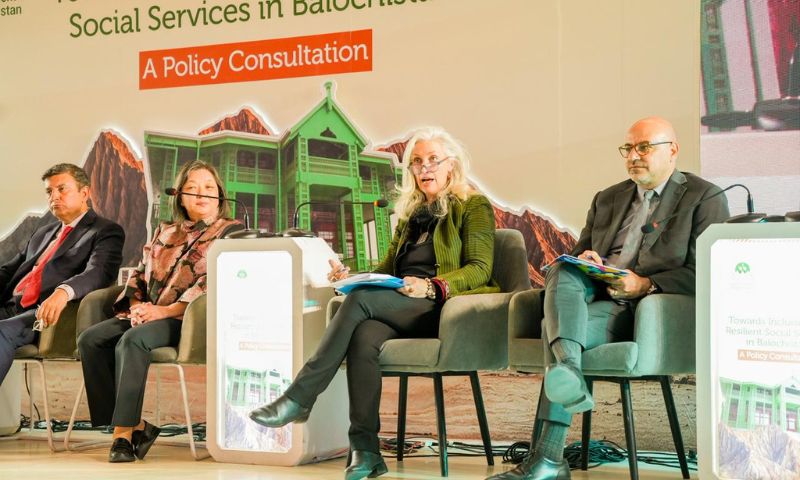
Despite the positive trends, provincial leadership acknowledged that significant challenges persist.
Chief Secretary Shakeel Qadir Khan noted that key indicators, including female literacy, nutrition outcomes, and multidimensional poverty, remain below desired levels.
The Government is now prioritising improvements in service quality, strengthening human resources, enhancing district-level implementation capacity, and expanding data-driven monitoring systems to ensure transparency and accountability.
Additional Chief Secretary Balochistan Zahid Saleem identified priority areas requiring strategic investments, including strengthening primary healthcare systems, improving education access and quality, addressing malnutrition, expanding water and sanitation services, and enhancing institutional capacity.
Climate resilience central to future planning
A key theme emerging from the consultation was the importance of building climate-resilient social service systems.
Provincial leadership emphasised that systems must be capable of functioning effectively during environmental and economic shocks, noting that resilience is now central to long-term development planning.
The Chief Secretary stressed that building climate-resilient infrastructure and systems will safeguard development gains and ensure continuity of essential services during crises.
Strong partnerships drive progress
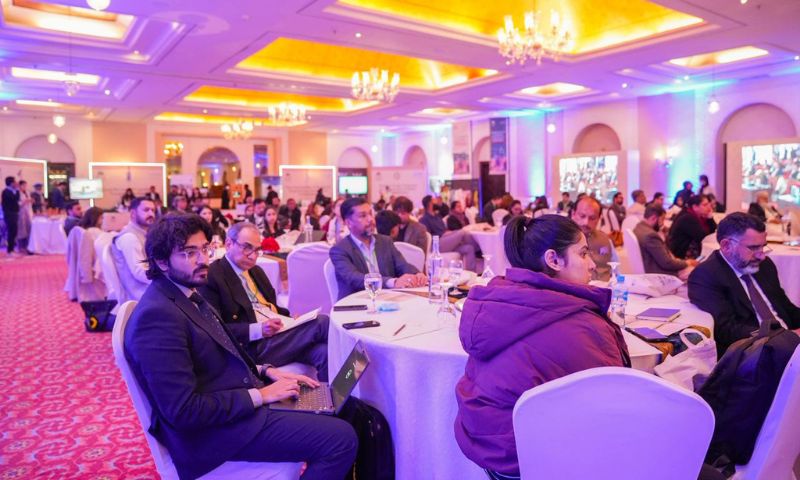
The consultation brought together a diverse range of stakeholders, including representatives from the World Bank, Asian Development Bank, KfW, World Food Programme, and United Nations Development Programme.
Provincial leadership emphasised that future partnerships should focus on long-term, programmatic engagement aimed at strengthening institutions, improving service delivery quality, enhancing climate resilience, and ensuring measurable outcomes rather than isolated infrastructure projects.
SDG-aligned roadmap taking shape
The consultation is expected to culminate in the development of a government-owned, SDG-aligned social sector roadmap.
This document will outline strategic priorities, reform commitments, and a clear pathway for resource mobilization and sustained engagement with development partners.
Multiple thematic sessions during the consultation facilitated in-depth technical discussions on critical challenges, including education quality and retention, maternal and child health, nutrition, social protection integration, governance reforms, climate resilience, and data systems strengthening.
Experts presented detailed analyses and shared practical experiences, culminating in concrete recommendations aimed at enhancing service quality, promoting equity, and strengthening system-wide resilience.
Government reaffirms commitment to citizens
Through this engagement, the Government of Balochistan reaffirmed its commitment to transparency, accountability, and evidence-based governance to ensure that investments translate into tangible improvements in the lives of citizens.
The consultation marked a significant step toward building a shared vision focused on strengthening human capital, improving service delivery systems, protecting vulnerable populations, and ensuring inclusive and sustainable development across the province.
With strengthened partnerships, institutional reforms, and strategic investments, Balochistan is poised to accelerate progress toward resilient social systems and improved development outcomes for all its citizens.