ISLAMABAD: Pakistan on Friday welcomed the decision of the Lloyd’s Market Association’s Joint War Committee (JWC) to remove the country from its Listed Areas for war risk insurance.
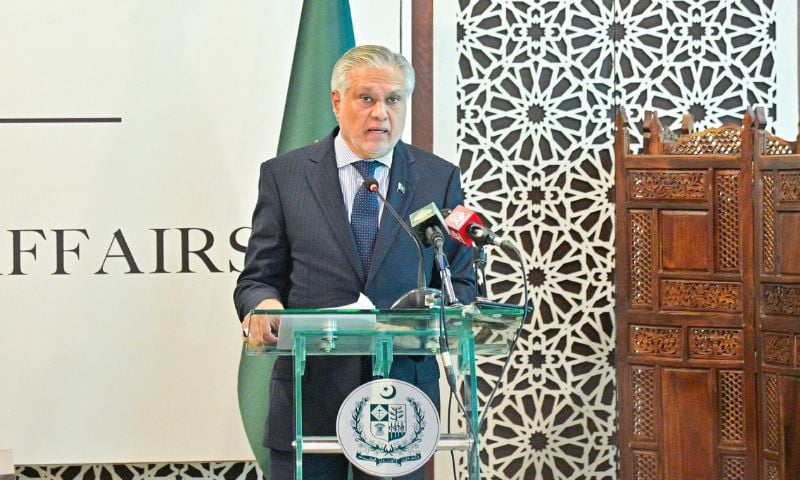
This important milestone, achieved through the concerted efforts of the Government of Pakistan, ably coordinated by our High Commission in London, reflects growing international confidence in Pakistan, Deputy Prime Minister and Foreign Minister Ishaq Dar said in a statement.
“I also appreciate Lloyd’s for its constructive engagement throughout the process,” he added.
The Foreign Minister added this decision is expected to lower shipping and insurance costs, facilitate trade, and support Pakistan’s economic growth.
Pakistan welcomes the decision of the Lloyd’s Market Association’s Joint War Committee (JWC) to remove Pakistan from its Listed Areas for war risk insurance. This important milestone, achieved through the concerted efforts of the Government of Pakistan, ably coordinated by our…
— Ishaq Dar (@MIshaqDar50) July 31, 2026
Pakistan Navy, in a post on X, also shared the development, saying the Joint War Committee (JWC) of Lloyd’s, London, has removed Pakistan from its Hull War, Piracy, Terrorism and Related Perils Listed Areas.
“The decision ends over a decade of war risk listing for Pakistani ports, reducing insurance costs & improving maritime trade competitiveness,” it said.
It noted that during his official visit to the UK, Chief of the Naval Staff Admiral Naveed Ashraf held engagements with JWC and Lloyd’s Market Association, presenting Pakistan’s maritime security case.
“Decision strengthens international confidence in Pak’s maritime domain,” it said.
During his official visit to the UK, CNS Adm Naveed Ashraf held engagements with JWC and Lloyd’s Market Association, presenting Pak’s maritime security case. Decision strengthens international confidence in Pak’s maritime domain. 2/2#PakistanNavy#TrustedMaritimePartner
— DGPR (Navy) (@dgprPaknavy) July 30, 2026
Move expected to lower war-risk insurance premiums and shipping costs
Earlier on Thursday, Minister for Maritime Affairs Muhammad Junaid Anwar Chaudhry confirmed that Pakistan and its territorial waters had been removed from the Listed Areas of the Lloyd’s Market Association’s Joint War Committee (JWC), a move expected to lower war-risk insurance premiums and shipping costs.
The JWC’s Listed Areas identify high-risk maritime zones for insurers in the London insurance market, including members of the Lloyd’s Market Association (LMA) and the International Underwriting Association (IUA). Vessels operating in these areas are typically subject to additional war-risk insurance premiums.
Calling the decision a “historic achievement,” Chaudhry said it would enhance the competitiveness of Pakistani exports while boosting the confidence of international shipping companies, traders and investors.
New opportunities for regional trade
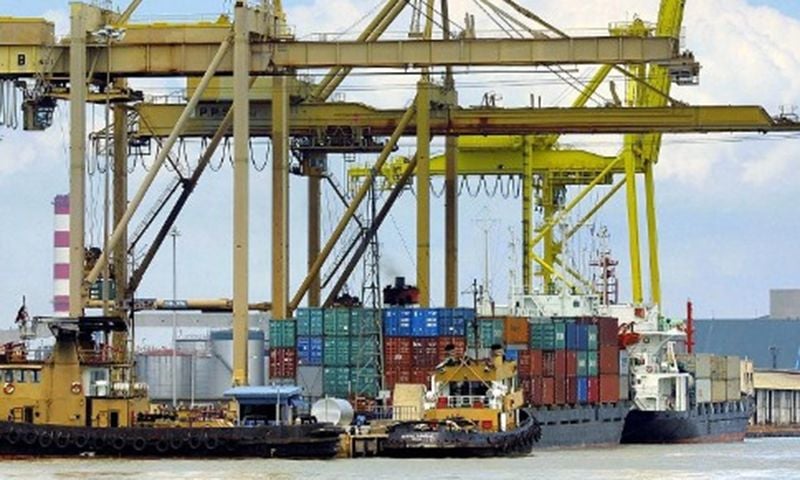
“The removal of Pakistan from the JWC Listed Areas will also make Karachi Port, Port Qasim and Gwadar Port more attractive to global shipping lines and investors, creating new opportunities for regional trade, cargo transit and transshipment,” he said in a statement.
Also Read: Lloyd’s Removes Pakistan from War-Risk Maritime List
The minister said the government formally raised the issue on March 13, 2026, after determining that Pakistan and its territorial waters had remained on the JWC’s Listed Areas for decades, resulting in higher war-risk insurance costs and additional surcharges on maritime trade.
Following this, Prime Minister Shehbaz Sharif constituted a special committee, headed by Chaudhry, to engage with Lloyd’s officials. According to the minister, the committee presented the country’s case using technical evidence and factual data during a series of negotiations.
Chaudhry said the sustained engagement ultimately led to Islamabad’s removal from the list.
He said the decision would ease the financial burden on the country’s maritime trade, lower shipping costs and improve the competitiveness of the country’s exports in global markets.
The minister added that the development marked a significant step toward positioning Pakistan as a regional hub for logistics, transit and transshipment.