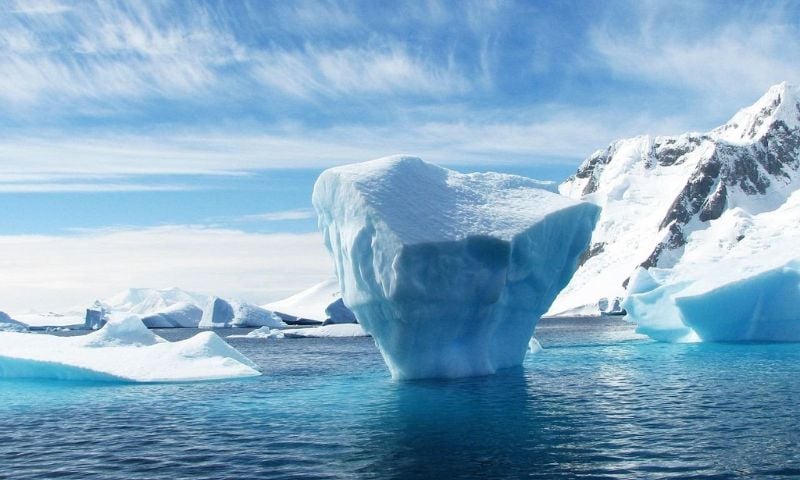



ISLAMABAD: Pakistan’s National Disaster Management Authority has warned of potential Glacial Lake Outburst Flood (GLOF) risks from March to September 2026 due to rising temperatures, shifting weather patterns, and the possibility of early heatwave conditions in the country’s northern regions.
The advisory, issued by the National Emergencies Operation Centre (NEOC), said seasonal projections indicate that higher temperatures between March and June could accelerate snow and glacier melt in Gilgit-Baltistan and upper Khyber Pakhtunkhwa, increasing the likelihood of sudden glacial lake outburst floods.
Glacial Lake Outburst Flood
Such events can trigger flash floods capable of damaging homes, infrastructure, agriculture, and communication networks, while posing serious risks to downstream communities.
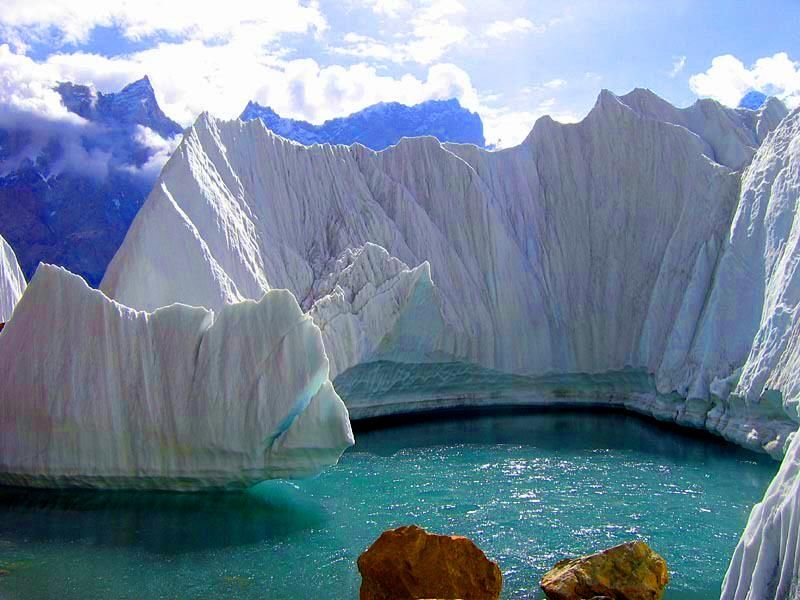
Potentially exposed areas in Gilgit-Baltistan include Ahmad Abad, Faiz Abad, Mujawer Village, Ishkoman Valley, Gulkin Valley, Gulmit Valley, Bubur Village, and Handis Valley. In Khyber Pakhtunkhwa, vulnerable locations include Reshun, Kumrat, Yarkhun Valley, Lasht, Istach, Dizq, and Brep.
The NDMA has urged provincial and local administrations to review contingency plans, ensure effective early warning systems, and prepare evacuation arrangements where necessary.
Residents in at-risk areas have been advised to remain vigilant, avoid unnecessary movement near glacial streams, follow official advisories, and comply with instructions from local authorities.
The authority encouraged the public to stay informed through official NDMA platforms, media channels, and the “Pak NDMA Disaster Alert” mobile application for timely updates.
Reaffirming its commitment to proactive disaster risk management, the NDMA urged all stakeholders and communities to adopt precautionary measures to minimize potential losses during the upcoming high-risk period.