


Key Points
- Export refinance rate cut by 300 basis points to 4.5 per cent
- Industrial electricity tariff reduced by Rs 4.04 per unit
- Wheeling charges lowered to enable inter-industry power sales
- Exporters to receive blue passports and Ambassador-at-Large status
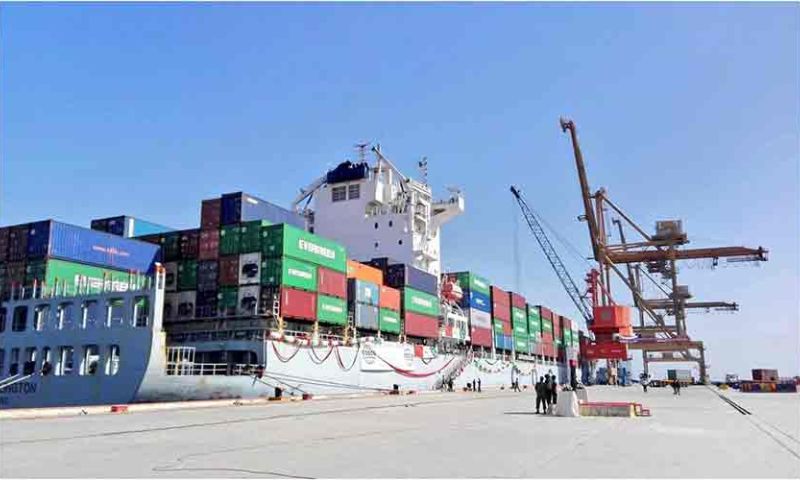
ISLAMABAD: Pakistan on Friday unveiled an incentive package for industry, export-oriented production, and capital-intensive businesses in the government’s push to lead the economy from stabilisation to an export–led growth anchored in investment.
Prime Minister Shehbaz Sharif announced a package of measures aimed at strengthening the country’s industry, trade, and export competitiveness, besides sentiment-boosting steps for exporters.
Addressing leading exporters and business leaders in Islamabad, the prime minister said the government had reduced the export refinance rate by 300 basis points to 4.5 per cent from 7.5 per cent, lowering financing costs for export-oriented sectors at a time of intense regional and global competition.
He also announced a cut of Rs 4.04 per unit in electricity tariffs for industries and a reduction of Rs 9 per kilowatt-hour in wheeling charges, enabling industries to sell surplus power to neighbouring units. The measures are intended to reduce production costs and improve the price competitiveness of Pakistani exports.
“If I could, I would have reduced power tariffs further by Rs 10 per unit, but my hands are tied,” the prime minister said, acknowledging fiscal and structural constraints.
In a move to recognise export performance and enhance commercial diplomacy, the prime minister announced that award-winning exporters would be issued blue passports and granted Ambassador-at-Large status for two years.
The announcements came as part of the government’s broader effort to boost exports, attract foreign direct investment, and place the economy on a more durable growth path after a prolonged period of macroeconomic stress.
Recalling the recent economic trajectory, PM Shehbaz said Pakistan had faced galloping inflation and a policy rate of 22 per cent. Through corrective measures, he said, inflation has fallen to single-digit levels, and the policy rate now stands at 10.5 per cent. He noted that Pakistan narrowly averted sovereign default following extended negotiations with the International Monetary Fund.
The prime minister said foreign exchange reserves have doubled in recent months, largely supported by financing from friendly countries including China, Saudi Arabia, the United Arab Emirates, and Qatar. He cautioned, however, that stability alone was insufficient.
“Our economy has achieved stability, but it is still not enough,” he said, pointing to rising poverty, unemployment, and stagnant exports. He said Pakistani exporters are competing against producers from countries with significantly lower costs, adding that high electricity prices and elevated borrowing costs continue to weigh on competitiveness, despite recent reductions.
Earlier this week, the State Bank of Pakistan kept its benchmark policy rate unchanged at 10.5 per cent during its first Monetary Policy Committee meeting of 2026, underscoring the central bank’s cautious approach as the government pushes for growth-supportive policies.
“Private sector should run businesses, not governments,” the prime minister said, stressing that Pakistan must move toward sustainable, export-led growth and that foreign direct investment should be aligned with export-oriented activity.
He confirmed that Pakistan is engaged with the IMF on a framework to support economic growth. “I am fully engaged with the IMF along with the finance minister, and every effort is being made. When results emerge, they will be before you,” he said.
PM Shehbaz said the government has prepared a plan to expand exports, generate employment, and reduce poverty, with initial meetings already held to operationalise the strategy.
He also called for lowering direct tax rates to support industry and exports, though he ruled out any relaxation in the collection of indirect taxes.
“I will not desist and keep on marching till we recover the last indirect tax,” he said.
Commerce Minister Jam Kamal Khan said the government is actively promoting an export-led economy and that Pakistan has emerged from a period of economic turmoil, restoring exporter confidence in policy direction.
The ceremony concluded with the distribution of awards to top exporters and business leaders, as the government signalled a renewed partnership with the private sector to anchor growth in exports and investment.