


Key Points
- Pakistan plans to reduce reliance on external borrowing and attract investment
- Finance minister points to improving reserves, inflation, and fiscal deficit
- Government advancing privatisation of state-owned enterprises
- Tax and tariff reforms aimed at boosting exports and competitiveness
- Saudi partnership seen as central to long-term capital inflows
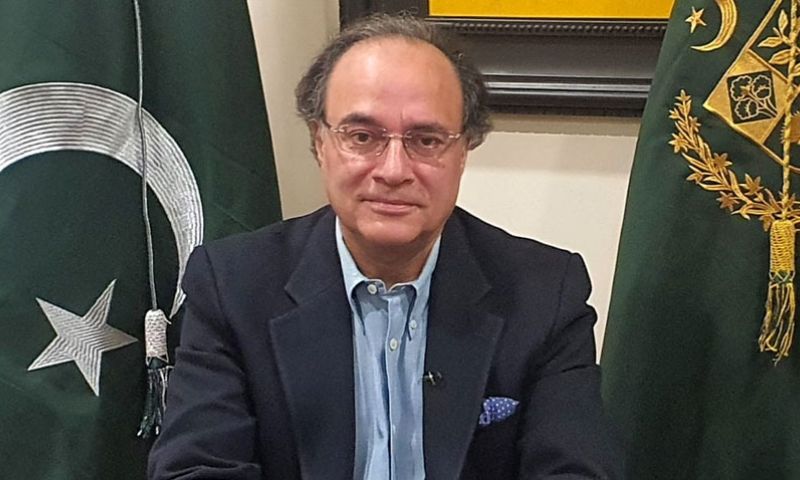
ISLAMABAD: Pakistan is seeking to reduce its dependence on external borrowing and transition toward an investment-led growth model, Finance Minister Muhammad Aurangzeb said in an interview with Asharq Al-Awsat on the sidelines of the AlUla Conference for Emerging Market Economies.
“We want to move from the space of aid and loans to the space of trade and investment,” Aurangzeb said, outlining the government’s economic direction as the country attempts to avoid recurring balance-of-payments crises.
The minister acknowledged Pakistan’s repeated reliance on the International Monetary Fund, saying the country had entered IMF programmes 24 times due to the absence of structural reforms and consistent policy implementation.
“Pakistan has approached IMF programmes 24 times, and that was not a coincidence but the result of the absence of structural reforms and follow-through,” he said, adding that the government has decided to “double down” on reforms and remain on the adjustment path despite challenges.
Investor focus
Pakistan is studying Saudi Arabia’s development strategy, particularly Vision 2030, as it looks to strengthen policy execution and attract long-term capital, the Minister said.
He said Islamabad has formally requested Saudi technical expertise and administrative support, stressing that implementation capacity is as important as financing for building a resilient, export-oriented economy.
For investors, the policy direction signals continued commitment to fiscal consolidation, market reforms, and asset sales, after a period marked by macroeconomic instability.
Macroeconomic indicators
The finance minister pointed to improvements in key indicators. Foreign exchange reserves that once covered roughly two weeks of imports now cover about two and a half months, he said.
Inflation has slowed to around 10.5per cent from a peak near 38per cent, and the fiscal deficit has narrowed to about 5per cent from roughly 8per cent.
According to the Minister, restoration of fiscal space and the achievement of primary surpluses have created financial buffers that improve the country’s ability to manage shocks.
Referencing the floods of 2022, he stated that Pakistan had previously issued an urgent international appeal for assistance but is now better positioned to respond to large-scale climate events using domestic resources.
Privatisation pipeline
Outlining the reform agenda, Aurangzeb was of the view that the government wants the private sector to play a leading role in economic activity.
He disclosed that 24 state-owned enterprises have been handed to the Privatisation Commission and said the privatisation of Pakistan International Airlines in December has provided momentum for further transactions involving power distribution companies, banks, and insurance firms.
The pipeline is likely to be watched by foreign investors assessing entry opportunities into large, underperforming public assets.
Tax and trade reforms
The government is pursuing tax reforms to raise the tax-to-GDP ratio from about 10per cent to 12per cent, he added.
He also described plans for a more “aggressive” tariff structure designed to lower protection for domestic industries and improve export competitiveness. The government is simultaneously working to reduce the size of the federal administration.
Saudi economic ties
On relations with Riyadh, Aurangzeb described a shift in engagement toward investment and trade.
He expressed admiration for Vision 2030 and added that Pakistan is seeking to benefit from Saudi experience in managing large-scale economic transitions.
He added that execution discipline and institutional capacity are critical for sustaining reforms and attracting durable foreign investment.
Reform risks
Aurangzeb characterised the reform programme as necessary to break Pakistan’s cycle of economic instability, signalling that policymakers intend to maintain the course despite political and financial pressures.
For global markets, the success of the strategy will depend on sustained fiscal discipline, progress on privatisation, and the government’s ability to attract foreign direct investment while limiting external financing risks.