



KEY POINTS
- Pakistan will deploy AI-powered e-gates to cut immigration clearance time.
- New mobile app will allow pre-travel data submission and risk assessment for queue-free processing.
- System is built on centralized Integrated Border Management System (IBMS) for real-time data verification.
- AI will automate passenger profiling to enhance security against illegal immigration and smuggling.
ISLAMABAD: Pakistan’s Federal Investigation Agency (FIA) will introduce a nationwide AI-powered system to reduce immigration processing at airports to just 10 seconds through automated e-gates.
The initiative aims to eliminate the long queues and manual stamping that plague peak travel periods.
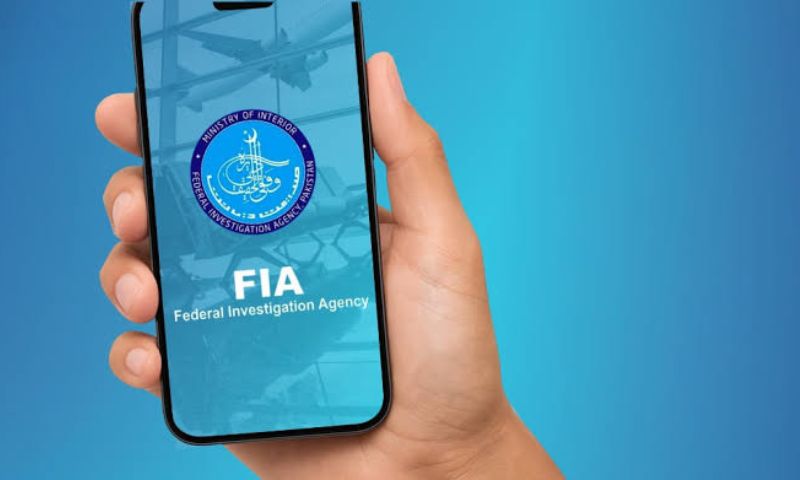
The FIA E-Immigration App 2026, is expected to enable pre-arrival verification, biometric confirmation, and automated system checks, allowing travellers to move swiftly through immigration.
Officials believe this technology-driven solution will reduce congestion, enhance transparency, and improve operational efficiency at busy international airports.
Aviation and technology experts view this move as a major milestone in Pakistan’s digital governance journey.
Faster immigration processing not only benefits travellers but also strengthens border management by integrating modern security and data systems.
The launch reflects Pakistan’s growing focus on smart infrastructure, efficiency, and traveller-friendly public services aligned with global aviation standards.
Integrated Border Management System
The backbone of the transformation is the new Integrated Border Management System (IBMS), a centralised digital platform.
This system will integrate and cross-reference data from national passport and identity databases, immigration records, and airline manifests in real-time.
The IBMS is designed to instantly verify passenger data, detect illegal travel patterns, and coordinate with other government agencies, allowing immigration officers to focus solely on pre-flagged, high-risk cases.
E-Gates: Immigration in seconds
The most visible upgrade for travellers will be the installation of automated e-gates at major international airports.
The process is streamlined: a passenger scans their passport, the system reads the data and verifies the identity against the IBMS, and the gate opens, all in an average of 10 seconds.
“No counters. No stamping. No waiting,” outlines the FIA’s vision.
Initially, the e-gates will be available to Pakistani passport holders with valid CNIC data and a clean travel history, with plans to later include overseas Pakistanis, diplomats, and approved foreign nationals.
The Game-changer: A pre-travel AI immigration App
A pivotal component is a new AI-powered mobile application that will enable advanced clearance.
Travelers can download the app, enter their personal and flight details, and upload copies of their passport and CNIC before they even reach the airport.
The app submits this data to the IBMS, where AI algorithms perform a risk assessment. Once pre-cleared, passengers can proceed directly to the e-gates at the airport, bypassing all traditional queues.
AI at the core for smarter security
Artificial Intelligence and machine learning are central to the new framework.
These systems will automate passenger profiling, conduct risk assessments, and identify patterns associated with illegal immigration or human smuggling.
This shift to data-driven, automated profiling aims to make threat detection more accurate and efficient, reducing reliance on manual screening for low-risk travellers while strengthening the overall security net.
Aligning with digital Pakistan
Officials stress that the project, which aligns with a broader digital governance vision, is both a massive convenience upgrade and a critical national security enhancement.
It promises to reduce airport congestion, improve Pakistan’s global travel ranking, and bring the country’s border management in line with systems already operational in nations like the UAE, Singapore, and the UK.
Director FIA’s Integrated Border Management System (IBMS), Mustafa Hameed Malik, said that electronic gates (e-gates) are being installed at airports to allow self-service immigration.
Eligible travellers will simply scan their passports at the gate, bypassing manual counters entirely.
“Without any human interface, their data will be entered automatically, eliminating long queues. The entire immigration process will be completed within 10 seconds,” Malik stated.
Complementing the e-gates, an AI-based e-immigration mobile application will soon be launched.
Travelers can use the app to enter their personal, passport, and flight details before arriving at the airport.
This data is verified in the backend against FIA databases. Machine learning algorithms then automatically generate a passenger profile for risk assessment.
Once pre-cleared via the app, passengers can proceed directly to the e-gates, skipping all traditional queues for a seamless journey from entry to boarding.
Malik emphasised the system’s AI enhances the work of the FIA’s Risk Assessment Unit (RAU) by automatically profiling high-risk individuals, known as “flight-risk passengers,” who may attempt illegal exit through smuggling routes.