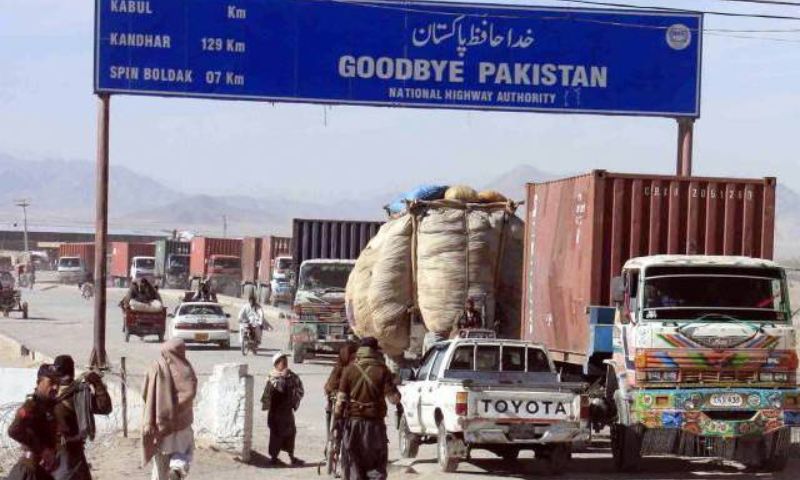



PESHAWAR: Pakistan’s Ministry of Commerce on Saturday assured Pak-Afghan traders of allowing transit goods transportation between the two countries under the Temporary Admission Document (TAD) plan.
Maria Kazi, Joint Secretary at the Ministry of Commerce, conveyed this assurance virtually during a seminar on TAD implementation held in Peshawar, said a press release issued on Saturday.
On June 2, 2024, Pakistan started the implementation of a plan allowing Afghan transporters to enter with TAD at border points in order to expedite bilateral trade between the two countries.
TAD mechanism was with effect from May 1 this year to streamline and regulate the movement of
The agreement on the TAD mechanism between Pakistan and Afghanistan had reached as transporters’ documentation and visa conditions were complicated issues that had led to the Torkham border closure for several days in January 2024.
Under the current arrangement, transportation of bilateral trade goods between the two neighboring countries under TAD is permitted for one year starting from June 2024.
The assurance from the Joint Secretary of Commerce was in response to demands from the business community seeking approval for the transportation of transit trade goods under TAD.
The seminar, organized by the Trade Development Authority, was attended by key stakeholders including Noman Bashir, Director TDAP, Arbab Qaisar, Director (Transit Trade) Customs Department Peshawar, Zia-ul-Haq Sarhadi, Coordinator of Pak-Afghan Joint Chamber of Commerce and Industry (PAJCCI), and representatives from Afghan Consulate.
During the seminar, Arbab Qaiser, Director of the Transit Trade Customs Department, provided insights into the workings of TAD, its objectives, and its benefits. He stated that the government’s decision was aimed at facilitating the business communities of both countries and enhancing trade volumes in the region.
Zia-ul-Haq Sarhadi, Coordinator of Pakistan Afghanistan Joint Chamber of Commerce & Industry (PAJCCI), commended Pakistan’s decision to remove obstacles in bilateral trade.
He highlighted the challenges posed by visa requirements for drivers and advocated for the expansion of TAD to include transit trade, emphasizing the need to address ongoing visa restrictions faced by drivers involved in cross-border trade.