Key Points
- New plants planned at Pakistan Ordnance Factories
- Expansion targets stronger indigenous defence manufacturing
ISLAMABAD: Pakistan is set to establish two new arms production plants at Pakistan Ordnance Factories (POF) in Wah to expand export-oriented indigenous defence manufacturing amid growing international interest in its military equipment.
The two facilities are expected to begin production by the end of 2026, according to the Inter-Services Public Relations (ISPR).
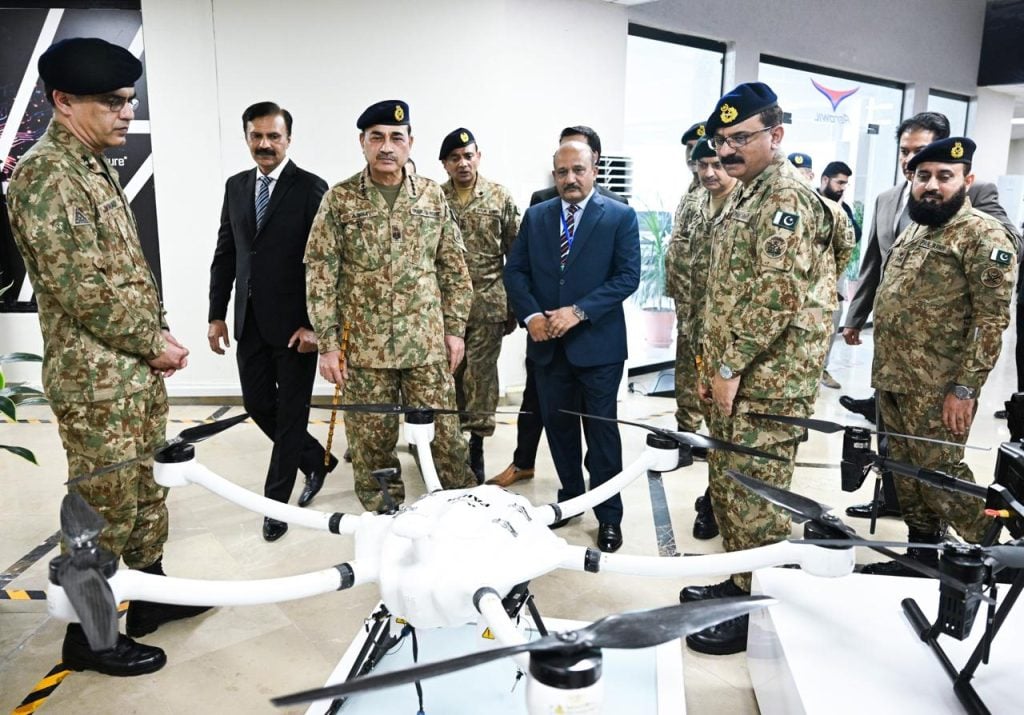
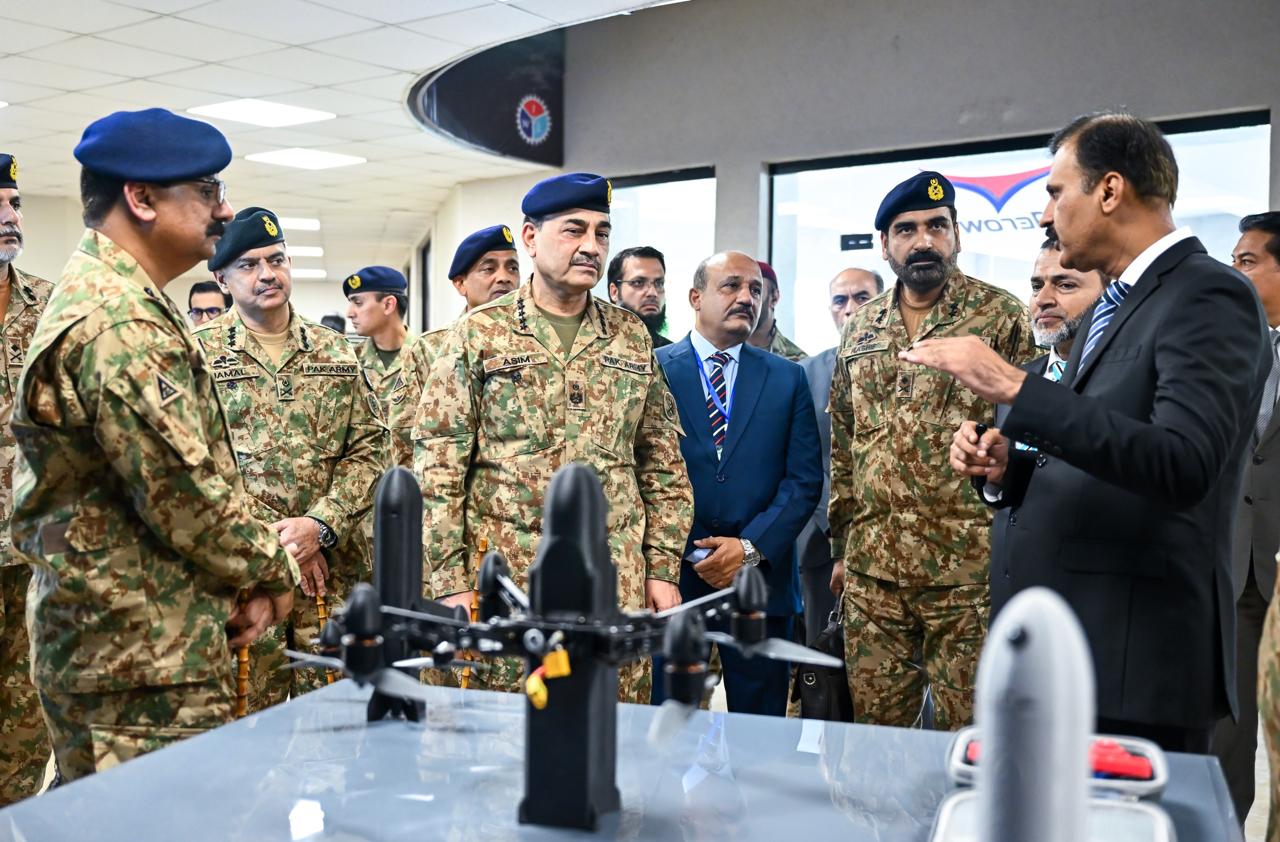
The development was announced after Chief of Defence Forces and Chief of Army Staff, Field Marshal Asim Munir, visited POF last week to review its production capabilities, export potential and contribution to the country’s defence industrial base.
The visit focused on reviewing POF’s production capabilities, export potential and contributions towards the country’s defence industrial base.
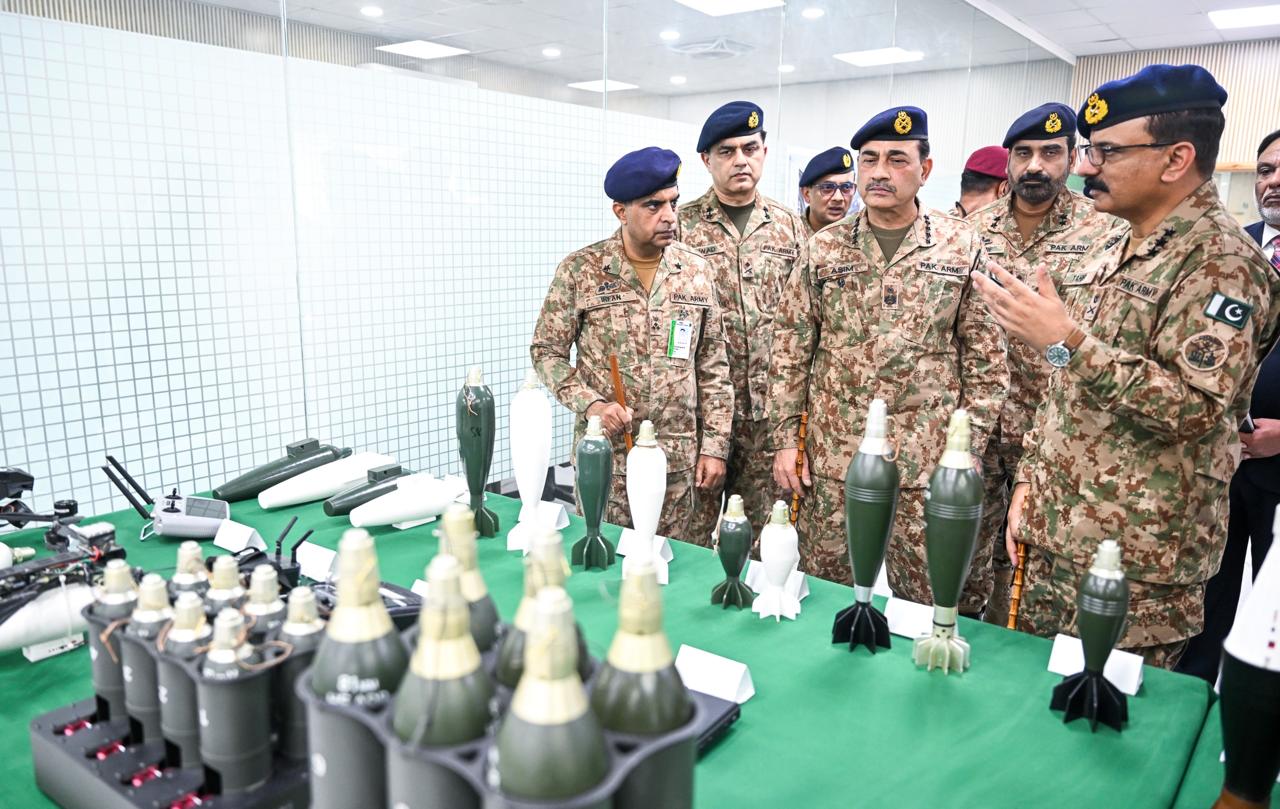
The expansion is in line with Pakistan’s defence industry attracting greater attention from foreign buyers following the May 2025 conflict with India.
ALSO READ: Field Marshal Asim Munir Witnesses Locally Developed Weapons Tests At POF
The downing of Indian aircraft by the Pakistan Air Force, as repeatedly mentioned by the US President Donald Trump, attracted the whole world’s attention to the country’s defence production, operability and preparedness.
Pakistan has skillfully demonstrated the operational performance of its locally produced and jointly developed aircraft, weapons and other systems during the conflict as evidence of the growing maturity of its defence industry.
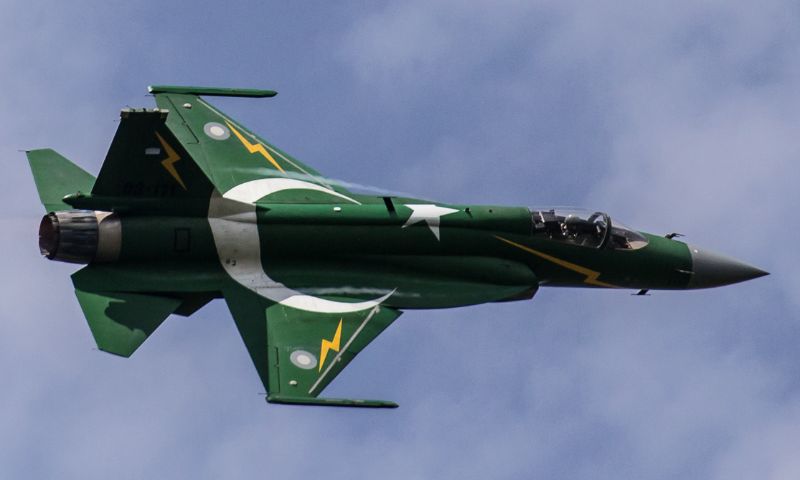
The JF-17 Thunder, jointly developed with China and manufactured in Pakistan, has been at the centre of the country’s export push.
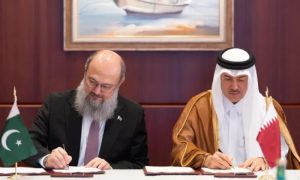
READ ALSO: Qatar Expresses Interest in Joint Defence Production with Pakistan
It has marketed the Block III variant as a cost-effective multirole fighter equipped with advanced avionics, an active electronically scanned array radar and electronic warfare capabilities.
The Super Mushshak trainer aircraft, Shahpar unmanned aerial vehicles and other locally produced systems have also formed part of Pakistan’s expanding defence export portfolio.
The country’s defence production base extends beyond aircraft to small arms and ammunition, artillery systems, armoured vehicles, unmanned systems and naval platforms, providing a relatively broad indigenous manufacturing capability.
Pakistan targets new defence markets
The increased international interest has already translated into major potential and reported orders.
In December 2025, Pakistan concluded a defence agreement worth more than $4 billion with the Libyan National Army. The agreement included JF-17 fighter jets and Super Mushshak trainer aircraft, as well as equipment for land, sea and air forces.
The reported deal was described as one of Pakistan’s largest-ever arms sales.
Islamabad has also been pursuing defence sales with Bangladesh, Saudi Arabia, Indonesia, Iraq, Sudan, Morocco, Ethiopia and other countries.
Reuters reported talks on a possible defence export deal with Saudi Arabia worth between $2 billion and $4 billion. According to reports, the prospective deal includes the potential supply of JF-17 aircraft. Pakistan was also reported to be nearing a potential $1.5 billion weapons deal with Sudan.
Azerbaijan has emerged as another important customer for the JF-17. The aircraft’s growing international profile has been reinforced by its operational use and Islamabad’s expanding defence diplomacy.
The surge in interest has created a new challenge for the country: increasing production capacity sufficiently to meet potential export demand.
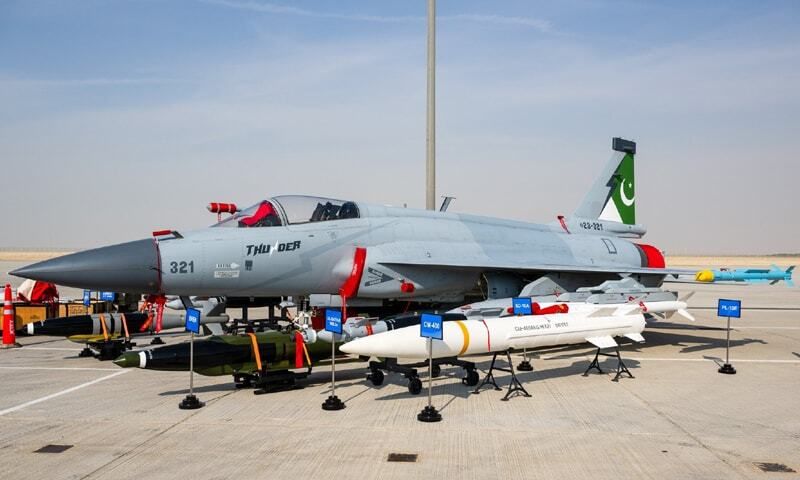
According to international media reports, Pakistan was producing around 20 JF-17 aircraft annually, and that production could increase significantly by the end of 2027 following upgrades and expansion at the main production facility.
Defence production and economic growth
Pakistan’s government presents defence production not only as a strategic requirement but also as a potential source of foreign-exchange earnings, industrial development and technological advancement.
Defence Production Minister Raza Hayat Harraj has highlighted the price competitiveness of indigenous equipment, noting that the JF-17 is significantly cheaper than many comparable Western fighter aircraft.
The country’s defence industry can also offer customers integrated packages covering aircraft, weapons, training, maintenance and logistical support, potentially making its systems attractive to countries seeking alternatives to more expensive Western platforms.