


Key Points:
- Debt-to-assets cap lowered to 33 per cent
- Star-based Shariah compliance ratings introduced
- Five-day public objection window added
- Linked to the nationwide elimination of interest by December 2027
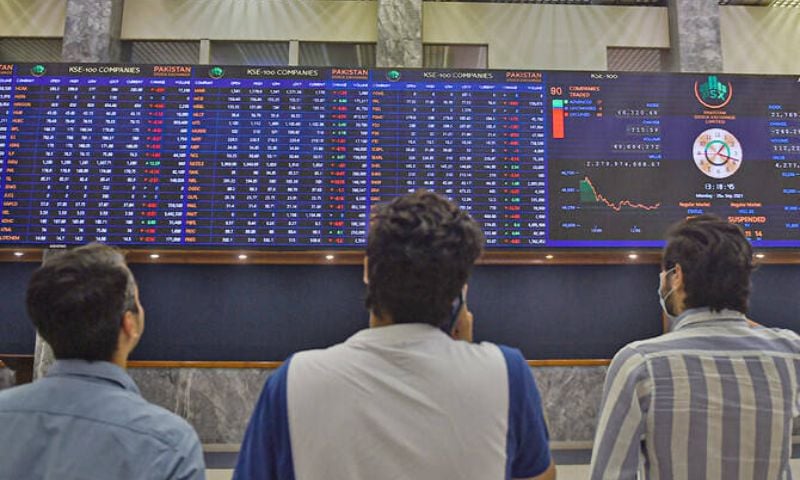
ISLAMABAD: Pakistan has tightened the Islamic screening criteria for companies included in a major faith-based stock market index, as the country accelerates a court-mandated transition to an interest-free financial system by the end of 2027.
The Securities and Exchange Commission of Pakistan (SECP), the regulator overseeing corporate entities and capital markets, approved revisions to the methodology of the PSX-KMI All Share Index. The index tracks companies listed on the Pakistan Stock Exchange that meet Islamic, or Shariah, compliance standards.
The move forms part of Pakistan’s broader effort to eliminate riba, commonly interpreted as interest, from the financial system, following a ruling by the Federal Shariat Court.
The court had earlier directed the government to phase out interest-based finance gradually, with a final deadline of December 2027. The requirement was subsequently reinforced through a constitutional amendment obliging the state to align economic practices with Islamic injunctions.
Under the revised framework, the permissible ratio of non-compliant debt to total assets has been reduced from 37:100 to 33:100. Regulators say the tighter threshold reflects the growing availability of Islamic financing instruments and brings Pakistan’s screening standards closer to international Islamic index benchmarks.
A Shariah compliance rating mechanism has also been introduced. Companies qualifying for the index will receive ratings ranging from three to five stars, indicating varying levels of compliance. The measure aims to enhance transparency, besides enabling investors to make more informed decisions.
The updated methodology provides that the list of Shariah-compliant companies will be published with a five-working-day window for evidence-based objections or requests for revision. A system has also been introduced for interim inclusion of newly listed firms, subject to screening and approval by the index committee.
The reforms were reviewed during a meeting of the Committee on the Post-2027 Financial Sector Strategy, chaired by Pakistan’s Finance Secretary. The regulator has been directed to prepare a comprehensive roadmap for transforming all sectors under its supervision into Shariah-compliant models and to outline a post-2027 strategy to sustain the transition.
SECP has further advised the Pakistan Stock Exchange to consider reducing the non-compliant investments-to-total assets ratio to 30 per cent, introducing quarterly index updates, and automating data collection processes.
The revised framework is part of the regulator’s Strategic Action Plan 2024-26, which would eventually expand Islamic finance across banking, insurance, and capital markets.
Officials say the changes are expected to support the development of Pakistan’s Islamic capital market and provide greater clarity for domestic and international investors seeking Shariah-compliant investment opportunities.