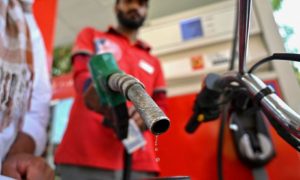
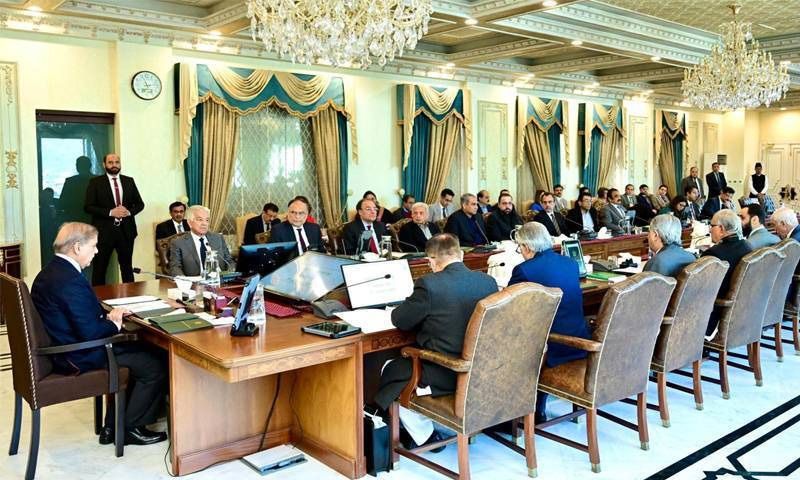
ISLAMABAD: Pakistan has revived austerity and fuel-conservation measures, including a 50 per cent reduction in fuel allocations for government vehicles, a three-month restriction on official foreign travel and tighter procurement rules, as surging international oil prices linked to the worsening Middle East crisis put fresh pressure on public finances.
According to a notification issued by the Cabinet Division, fuel allocations for administrative and non-operational government vehicles will be reduced by half for three months.
Pakistan’s govt has announced austerity measures due to worsening fuel crisis. pic.twitter.com/wLniegppIk
— Wajahat Kazmi (@KazmiWajahat) September 17, 2026
Operational vehicles exempt
The fuel reduction will not apply to operational vehicles of the armed forces, civil armed forces, law enforcement agencies, essential services and the Federal Board of Revenue.
The government has also reintroduced a five per cent reduction in the non-ERE budget for fiscal year 2026-27. The cut will extend to Pakistan’s missions abroad, although expenditure on accommodation, education and medical treatment will remain exempt.
Read Also: Pakistan Approves Rs75bn Fuel Relief Package Amid Rising Petroleum Prices
Procurement and travel restrictions
The notification imposes a complete ban on the purchase of new government vehicles of all types. It also prohibits the procurement of durable goods, with IT equipment excluded from the restriction.
The measures also include a three-month ban on foreign travel by officials, along with tighter business hours and other fuel-conservation steps aimed at reducing government expenditure and petroleum consumption.
According to documents, under the measures, official dinners will not be hosted, except for events involving visiting foreign delegations. The government has also prohibited official seminars, training sessions and conferences funded by the government. Where such events are unavoidable, government venues including auditoriums, committee rooms and other official facilities must be used.
Teleconferencing encouraged
The notification directs government departments to hold meetings preferably through teleconferencing, with intra-city meetings exempt from the requirement.
It also states that, in case of unavoidable foreign visits, ministers, advisers, ministers of state, special assistants to the prime minister, parliamentary officials and government functionaries will travel only in economy class.
However, the notification provides an exception for certain international development partner-related training and courses arranged through the Economic Affairs Division or under institutional agreements with the Government of Pakistan. Pakistan’s ambassadors or high commissioners will also represent the country at obligatory and important events.
Read Also: Pakistan’s Fuel Relief Scheme: Who is Eligible and How to Get Petroleum Subsidy
Single dish at marriage events
As part of the austerity drive, only a single dish will be served at all marriage-related functions and events.
The government has also retained previously notified market closing timings. Under the schedule, shops, markets, shopping malls, bazaars, departmental stores, grocery stores and general and kiryana stores must close by 9pm.
Marriage halls, marquees and other commercial venues where festive events are held will close by 10pm, while restaurants, cafés, eateries and food outlets, along with standalone fruit and vegetable shops, will close by 11pm.
Takeaway and home-delivery services have been exempted from the closing-time restriction applicable to restaurants and food outlets.
The latest measures form part of the government’s broader efforts to contain expenditure, conserve energy and fuel, and promote greater fiscal discipline.
#Pakistan: #AusterityMeasures New Notification 17/9/26 also available on cabinet division website.
🚨Please note that there is no holiday on Friday or anything is mentioned in the notification. If anything new is notified everyone will be informed.
For now there are no changed… pic.twitter.com/UXhYbq2B3v— Shaheryar Hassan (@shaheryarhassan) September 17, 2026
Rising oil prices drive measures
The austerity measures come as international oil prices have risen sharply following the escalation of hostilities in the Middle East and disruptions to global energy supplies.
Read Also: Pakistan Considers ‘Smart Lockdown’ to Curb Fuel Consumption Amid Rising Petrol Prices
Pakistan, which relies heavily on imported fuel, remains exposed to fluctuations in global petroleum markets. The government on Wednesday increased the price of petrol by Rs6.88 per litre and high-speed diesel by Rs5.62, taking their prices to Rs391.22 and Rs421.45 per litre, respectively, from September 17.
The Oil and Gas Regulatory Authority attributed the increase primarily to higher international petroleum prices and related market factors.