


ISLAMABAD: Pakistan’s Population Summit opened in the capital on Monday with sharp warnings from global experts, senior officials, and economists that the country’s rapid demographic expansion is now a direct barrier to human and economic development, placing unprecedented pressure on governance, jobs, climate resilience, and basic services.
Organised by DawnMedia, the two-day national dialogue brings together political leaders, development specialists, economists, and the private sector to build consensus on restoring demographic balance. With a population of 241 million and a growth rate of 2.4% — the highest in South Asia — Pakistan adds up to 4.5 million people every year, outpacing job creation and straining critical services.
World Bank Country Director Dr Bolormaa Amgaabazar warned that without urgent investment in jobs and skills, Pakistan’s youth bulge could turn into a “demographic liability”.
She called population growth a “barrier to human and economic development”, linking the trend to climate vulnerability, water scarcity, and food insecurity. Pakistan’s fertility rate — at 3.6 children per woman — remains significantly higher than neighbouring countries, she noted.
‘Population growth has crossed a danger line’: Sherry Rehman
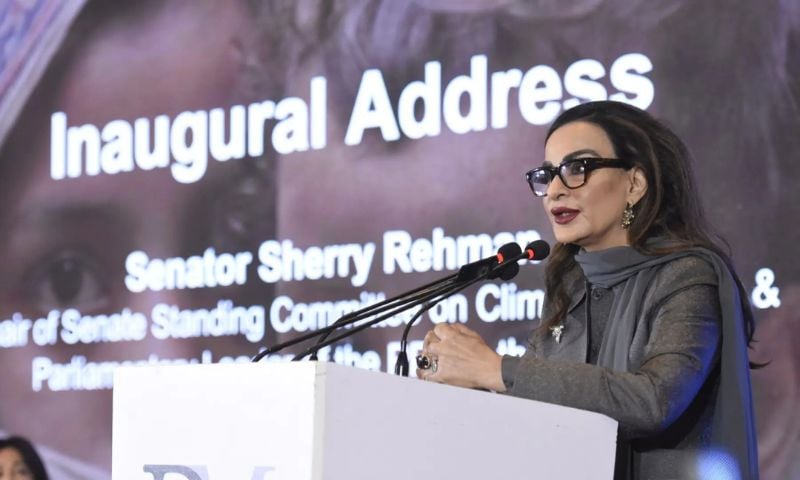
In a keynote address, Senator Sherry Rehman described unchecked population growth as a “ticking time bomb” that has already “noiselessly exploded,” exacerbating poverty, climate shocks, and resource scarcity.
She highlighted that Pakistan needs 1.5 million new jobs annually, and that “every 50 minutes, a woman dies due to pregnancy or childbirth complications.” The senator urged a nationwide awareness drive in local languages, expanded contraception access, and an end to cultural taboos around family planning.
“Seventy-two percent of a woman’s day in Pakistan is spent carrying water,” she added, linking population pressure to climate fragility, poverty and stunting. “Forty percent of children under five are stunted.”
Finance minister: ‘Execution is now the challenge’
Finance Minister Muhammad Aurangzeb reiterated his view that population growth is an existential threat, stressing that Pakistan must recognise and negotiate this challenge alongside climate change to reach its $3 trillion economy target by 2047.
“There is no dearth of policy prescriptions. Everything now depends on execution,” he said, calling for upskilling and reskilling young Pakistanis who are leading the IT economy rather than relying on government jobs.
‘Politics of population’
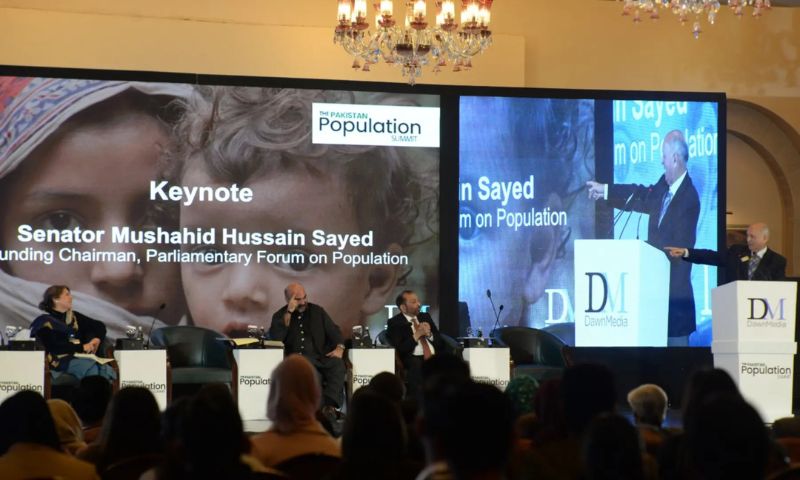
Senator Mushahid Hussain said Pakistan’s census disputes reflect a “politics of population” tied to resource allocation. He recalled introducing a cross-party resolution on population in 2020 and highlighted that even military leadership now includes population in its national narrative.
‘Quality, not size, drives national progress’
Addressing the summit via video link, Planning Minister Ahsan Iqbal said population management and child stunting are now the government’s highest national priorities, calling stunting a “national productivity crisis” that costs Pakistan 2–3% of GDP annually.
“Every year, Pakistan adds the population of New Zealand,” he warned.
Economists highlight alarming trends
IBA Karachi’s Executive Director Dr S. Akbar Zaidi said Pakistan’s real wages have fallen 20% in three years, unemployment is rising, and the country is on track to become the third most populous nation in 25 years.
“This economy is in a sharp decline. All numbers are going in the wrong direction,” he said.
Dr Hanid Mukhtar noted Pakistan’s capital-labour ratio is “much lower than India’s” and warned that South Asia will soon leave Pakistan far behind in productivity and growth due to sustained under-investment.
Population Council: 6 million unwanted pregnancies annually
Dr Zeba Sathar, the Population Council’s country director, said Pakistan records 12.7 million pregnancies annually, half of them unwanted or untimed, calling this “a failure of governance, not families.”
She said Pakistan’s growth rate — double that of its neighbours — reflects a dangerous imbalance requiring a national narrative rooted in responsibility, resources and equity.
‘A young nation at a crossroads’
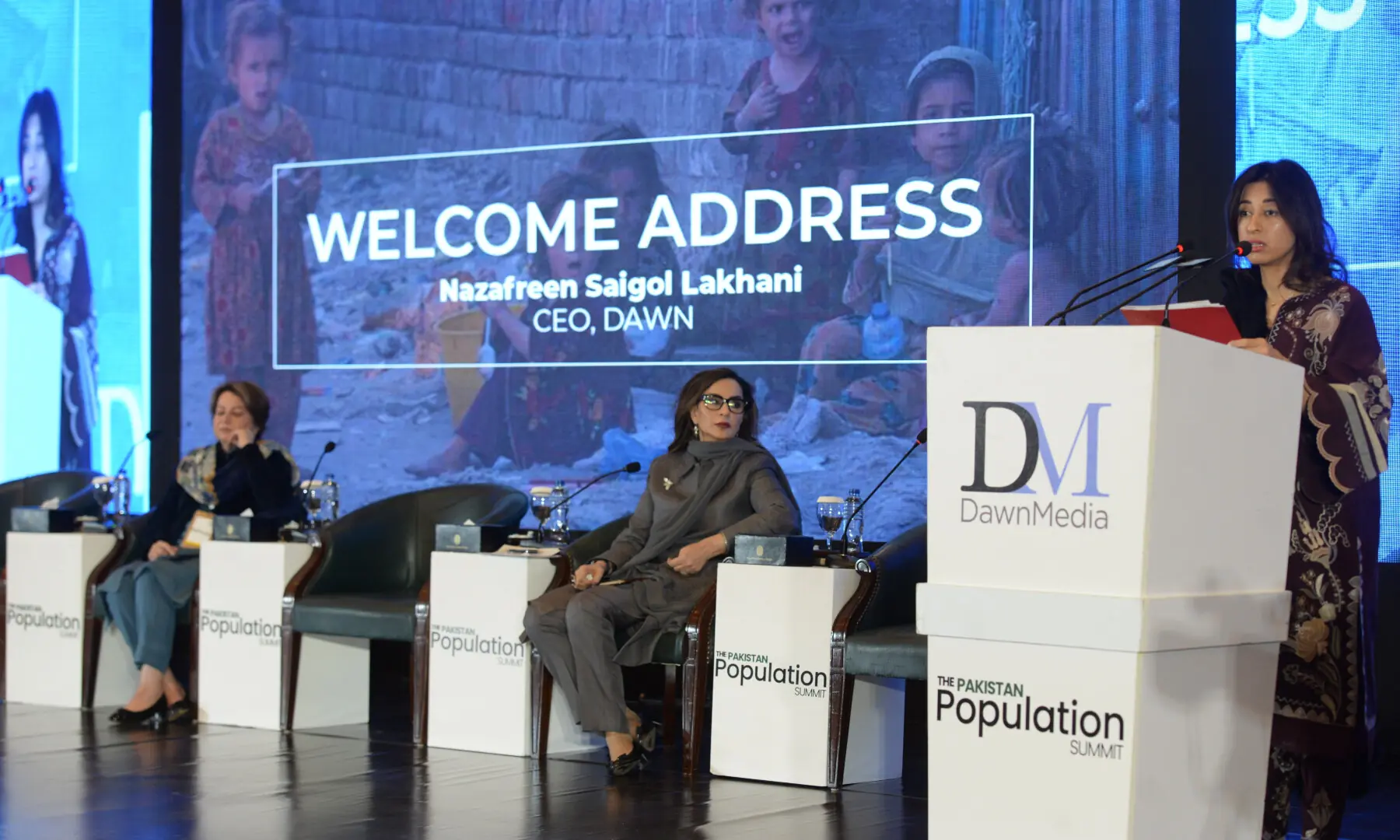
Dawn CEO Nazafreen Saigol-Lakhani, opening the conference, said Pakistan’s median age is just over 20, making the country one of the youngest in the world.
Without careful planning, she said, rapid growth “weakens per capita income, strains health and education systems, and makes it harder for families to escape poverty.” She urged Pakistan to “defuse the population time bomb” and convert its youth cohort into a real economic dividend.