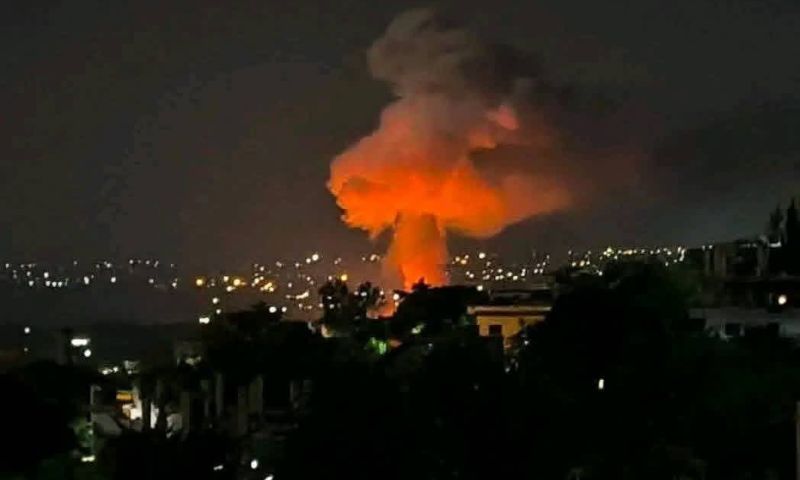



ISLAMABAD: Pakistan has carried out precision strikes in Afghanistan’s Paktika province, targeting hideouts of the outlawed Hafiz Gul Bahadur group in the Angoor Adda, Urgun, and Barmal districts.
Security officials said the operation was a direct response to a deadly suicide bombing at Khaddi Fort in Mir Ali earlier the same day, as Islamabad accuses Kabul of sheltering India-backed militants plotting attacks on Pakistani soil.
The strikes came as both sides were scheduled to meet in Doha to discuss de-escalation and border security.
The attack, claimed by the Gul Bahadur group, saw a vehicle packed with explosives rammed into a military camp’s main gate, followed by an attempted incursion. All four attackers were killed, according to Pakistani officials.
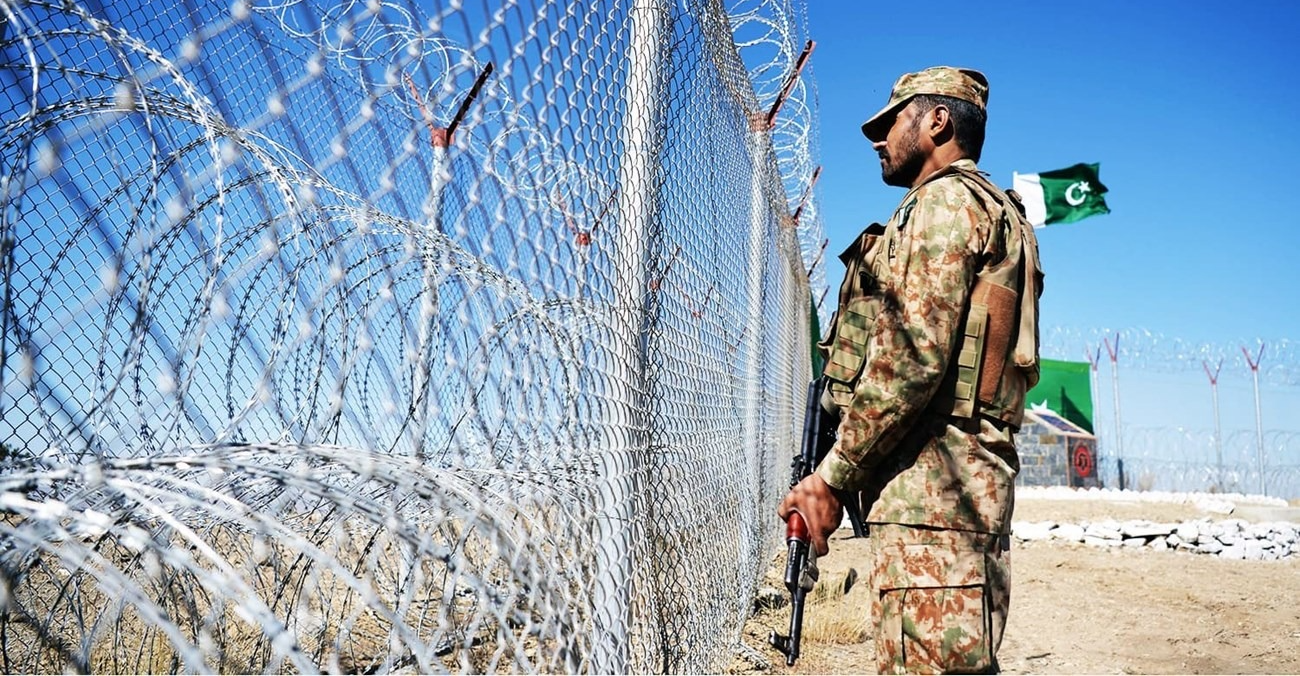
Defence Minister Khawaja Asif said Pakistan would no longer rely on diplomatic notes or appeals for restraint. “Wherever the source of terrorism lies, it will have to pay a heavy price,” he said, accusing Kabul of “sitting in India’s lap and conspiring against Pakistan.” The remarks underline Islamabad’s growing frustration with the Taliban-led Afghan administration, which it accuses of sheltering anti-Pakistan militants.
Fragile Ceasefire and Doha Talks
The strikes came after both countries had agreed to extend a 48-hour ceasefire, with plans to begin peace talks in Doha, Qatar. The truce, initially brokered by Qatar and Saudi Arabia, was meant to allow dialogue after days of fierce clashes along the border.
Islamabad insists its operation was limited to verified militant sanctuaries. Diplomatic observers say the attacks highlight the collapse of trust between the two neighbours, with Pakistan increasingly seeing the Taliban government as complicit in cross-border militancy.
Kabul Under Fire for Harboring Militants
Pakistan’s Foreign Office warned that Afghanistan has become a “central breeding ground for global terrorism,” urging the international community not to remain complacent. “We do not have to wait for a big disaster before taking remedial action,” said spokesman Shafqat Ali Khan. “This fire will spread. This has to be stopped.”
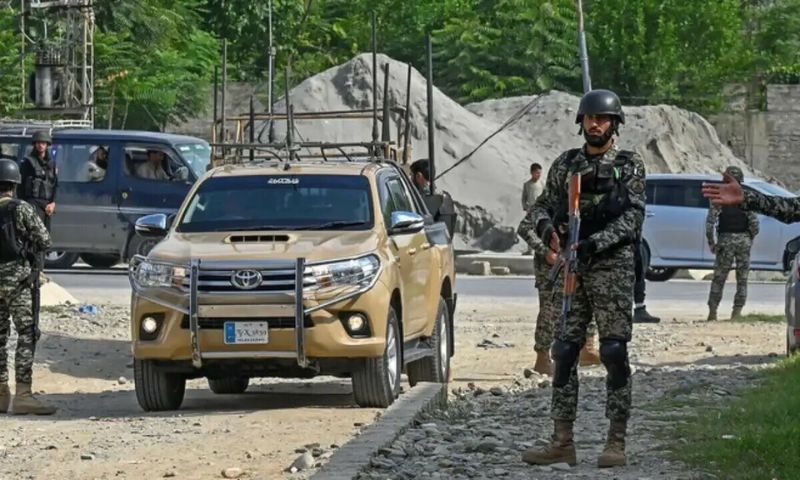
For Islamabad, the message appears clear: peace talks will have little meaning unless Kabul takes concrete steps against militants using Afghan territory to target Pakistan.
An official of the Afghan Taliban confirmed that the talks are scheduled to take place in Doha, though there was no official response from Pakistan. Reports from Afghanistan suggest that the Taliban delegation would include Defence Minister Mullah Yaqub Mujahid and intelligence chief Mullah Wasiq. Pakistan’s Foreign Office stayed silent on the matter, but a late-evening meeting between senior Pakistani officails suggested that some senior military officials will also travel to Doha.
Islamabad maintains that the Tehrik-i-Taliban Pakistan (TTP), responsible for hundreds of attacks inside Pakistan, continues to enjoy protection under the Afghan Taliban’s rule.
Pakistani officials argue that the situation undermines regional peace efforts and violates earlier commitments made by the Taliban leadership to prevent their territory from being used for cross-border terrorism.