


Key Points
- Army chief Syed Asim Munir speaks with Trump.
- PM Shehbaz Sharif engages Iranian president.
- Trump pauses strike threat after “productive” talks.
- Multiple countries join mediation efforts.
- Iran denies direct negotiations with Washington.
ISLAMABAD: Pakistan has emerged as a potential diplomatic bridge in the escalating US-Iran conflict, positioning itself as a key mediator amid intensifying global efforts to prevent further escalation, according to a report by the Financial Times.
Islamabad’s mediation push
Officials familiar with the discussions told the Financial Times that Islamabad has proposed hosting talks between senior US and Iranian figures, possibly as early as this week.
The initiative is being driven by Pakistan’s unique position — maintaining ties with Tehran while also enjoying a working relationship with Donald Trump.
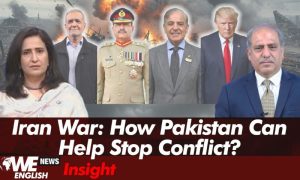
Pakistan’s Chief of Army Staff Field Marshal Syed Asim Munir reportedly held a conversation with Trump on Sunday, while Prime Minister Shehbaz Sharif spoke with Iranian President Masoud Pezeshkian on Monday.
Global diplomatic activities
The diplomatic outreach coincided with Trump announcing a temporary pause in threats to strike Iran’s power plants, citing “very good and productive” conversations aimed at ending the war.
However, the White House declined to provide details, stating that sensitive negotiations would not be conducted through the media.
Other regional players are also actively engaged. Turkey has been in contact with both Iranian officials and US envoy Steve Witkoff, while Pakistan’s Foreign Minister Ishaq Dar held talks with Turkish counterpart Hakan Fidan.
Egypt and Qatar have also joined the diplomatic push, reflecting a broader regional effort to de-escalate tensions.
Iran denies direct talks
Despite the flurry of diplomatic activity, Iran has denied holding direct negotiations with the United States.
Foreign ministry spokesperson Esmaeil Baqaei said messages had been conveyed through “friendly states,” but stressed that Tehran’s core positions remain unchanged.
Iran has also maintained its stance on the strategically critical Strait of Hormuz, a key global energy route.
Uncertain prospects for peace
Analysts caution that mediation efforts remain at an early and fragile stage.
Sanam Vakil noted that while countries are “scrambling” to de-escalate the situation, there is little indication that either side is ready to compromise.
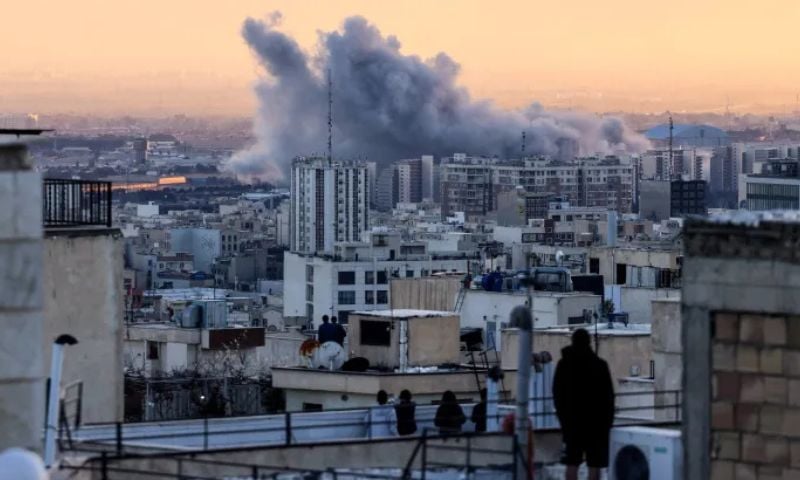
The conflict, now entering its fourth week, continues to pose significant risks to global energy markets and regional stability.
Pakistan’s role as a potential mediator is underpinned by its strategic positioning — it has avoided direct involvement in the conflict while maintaining relations across rival blocs. According to officials cited by the Financial Times, this neutrality has strengthened Islamabad’s credibility as a possible venue for talks.
At the same time, Pakistan remains vulnerable to the broader fallout of the conflict, given its reliance on Gulf energy supplies and its close ties with regional powers.
While diplomatic channels remain active, officials and analysts alike suggest that any breakthrough remains uncertain as tensions continue to simmer.