
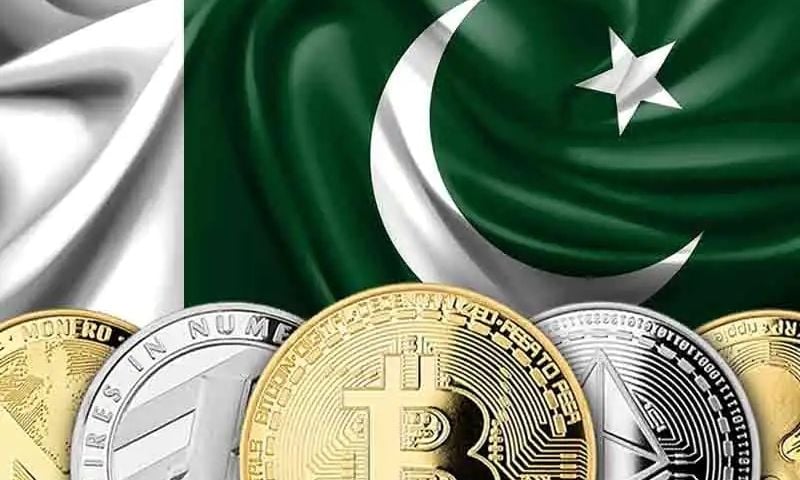



Key Points
- World Liberty Financial to engage with the central bank on a regulated digital payments framework
- Talks run parallel to Pakistan’s central bank digital currency pilot and virtual asset regulation
- Move highlights Islamabad’s aggressive push towards digitising money and payments
ISLAMABAD: Pakistan has signed an agreement to explore the use of a U.S. dollar–linked stablecoin for cross-border payments, marking a significant step in its push to digitise money flows and modernise the financial system, a source directly involved in the process told Reuters.
The initiative is part of Pakistan’s accelerated shift towards digital assets as policymakers seek to modernise the financial system, reduce cash dependence, and improve the efficiency of cross-border transactions, particularly remittances, a key source of foreign exchange.
Under the agreement, World Liberty Financial will collaborate with the State Bank of Pakistan to evaluate how its USD1 stablecoin can be integrated into a regulated digital payments framework. Stablecoins are privately issued digital tokens that are typically pegged to the U.S. dollar and designed to maintain a fixed value, unlike volatile cryptocurrencies such as Bitcoin.
The source said the stablecoin would be tested alongside Pakistan’s own planned central bank digital currency (CBDC), which differs fundamentally from private Crypto assets. A CBDC is digital money issued directly by the central bank, backed by the state, and equal in value to physical cash. It represents a digital form of the rupee rather than a privately issued token and would operate as legal tender within Pakistan’s monetary system.
By contrast, stablecoins such as USD1 are issued by private entities and are designed to represent the value of a foreign currency. Pakistani officials view them as a potential tool for cross-border payments, not a replacement for the national currency, the source said.
The agreement has been signed with SC Financial Technologies, a relatively unknown company affiliated with World Liberty Financial. Pakistan is expected to announce the development later on during a visit to Islamabad by World Liberty Financial chief executive Zach Witkoff, who is scheduled to hold discussions with Pakistani officials on digital payment infrastructure and settlement systems, according to the source.
The engagement is among the first publicly known partnerships between World Liberty Financial, launched in September 2024, and a sovereign state. It also comes amid renewed economic engagement between Islamabad and Washington.
Islamabad has significantly stepped up work on digital finance over the past year. Officials see regulated digital assets as an additional payment rail that could lower costs, increase transparency, and complement the existing banking system. Pakistan receives more than $30 billion annually in remittances, much of which flows through traditional channels that are costly and time-consuming.
The central bank governor said in July that Pakistan was preparing to launch a pilot for a digital rupee and was finalising legislation to regulate virtual assets, including exchanges, custodians, and digital payment platforms. Authorities have emphasised that private digital tokens would operate under strict oversight and would not undermine monetary policy or capital controls.
Globally, interest in stablecoins and central bank digital currencies has surged as governments weigh their role in payments and settlement systems. In the United States, federal rules introduced under President Donald Trump are widely viewed by the industry as supportive of stablecoin development, accelerating cross-border experimentation.
World Liberty Financial has attracted attention for its expanding international footprint. Reuters reported in October that the platform contributed to a sharp rise in income for the Trump family business in the first half of last year, including revenue linked to foreign entities. In May, MGX, a state-controlled Abu Dhabi investment company, used a World Liberty stablecoin to acquire a $2 billion equity stake in Binance, the world’s largest cryptocurrency exchange.