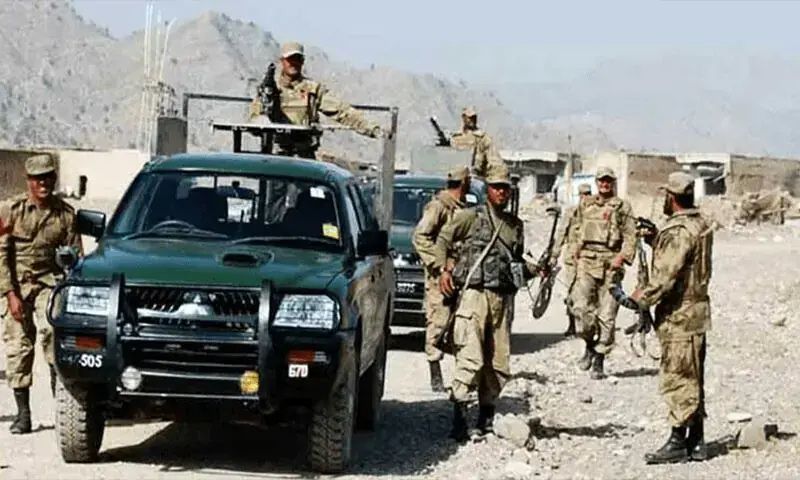
ISLAMABAD: Pakistan’s security forces had killed 22 “Indian-sponsored” terrorists during an intelligence-based counter-terrorism operation in the North Waziristan district of the country’s northwestern Khyber Pakhtunkhwa province, the military said.
In a statement, the military’s media wing, Inter-Services Public Relations (ISPR), said the operation began on May 17 in the Shewa area of North Waziristan after security forces received “credible intelligence leads” regarding the presence of terrorists.
The security forces effectively engaged the terrorists’ location and during an intense exchange of fire over the past 24 hours, 22 terrorists of the “Indian-sponsored” banned Tehreek-e-Taliban Pakistan (TTP) terrorist network were killed, ISPR said.
The Pakistani state refers to the banned TTP terrorist group as “Fitna-al-Khwarij,” and terrorists affiliated with the group are referred to as “Khwarij”.
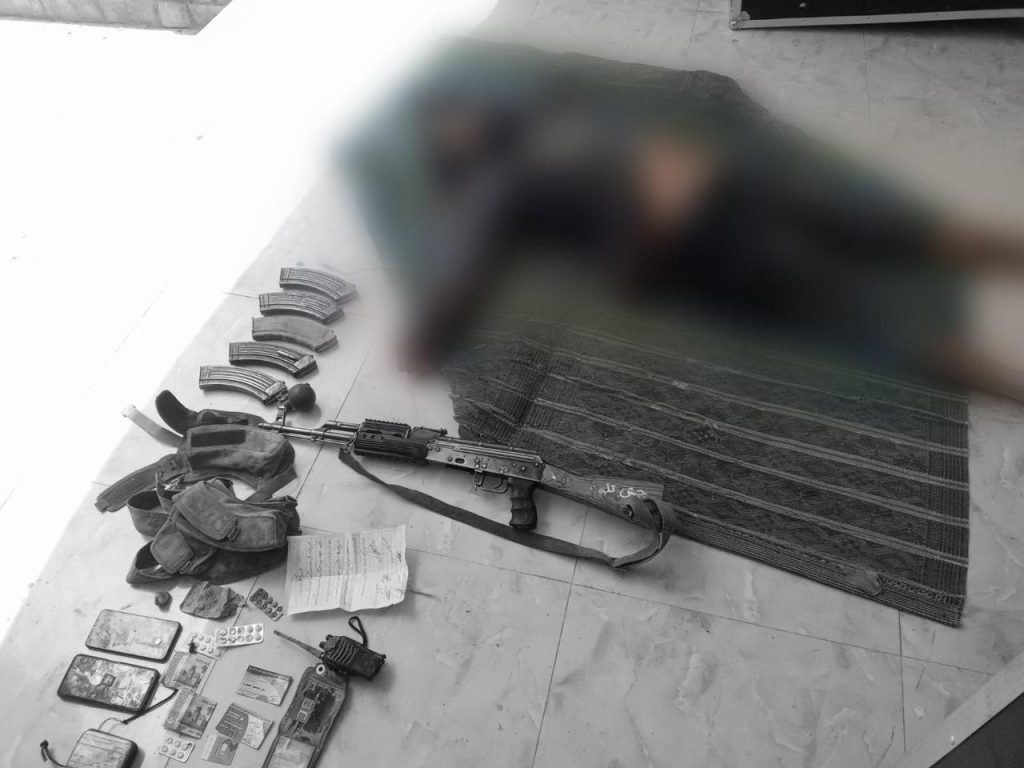
Weapons and ammunition were also recovered from the killed Indian sponsored terrorists, who had been actively involved in several terrorist activities in the area, the military’s media wing said.
The ISPR said a sanitisation operation remained underway in the area, which had been effectively cordoned off by security forces.
Terrorists using civilians as human shield
The terrorists of the Indian sponsored TTP group had coerced and intimidated the local population to secure safe passage and used civilians as human shields during the counter-terrorism operation.

“Evidence further confirms that khwarij coerced and intimidated the local population, forcing their compliance to obtain safe passage using them as a human shield,” the military’s media wing said.
“Such deplorable acts are highly condemnable, and no justification can rationalise the endangerment of public lives,” the ISPR statement said.

Pakistan security forces and law enforcement agencies’ counter-terrorism campaign under the “Azm-e-Istehkam” vision, approved by the federal apex committee under the National Action Plan, would continue “at full pace” to eliminate the menace of foreign-sponsored and supported terrorism from the country.
International concern over terrorist sanctuaries in Afghanistan
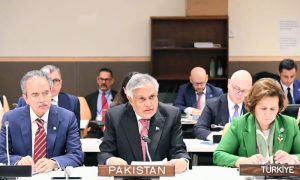
On Monday, Pakistan’s Defence Minister Khawaja Asif said that Islamabad reserves the right to respond with full force to terrorist attacks originating from Afghan territory.
Talking to the media in Islamabad, the Defence Minister asserted that terrorists’ hideouts across the border in Afghanistan would not be spared if used against Pakistan.
Khawaja Asif added that the Afghan Taliban were “playing into the hands of India” and said that directives given to the Afghan Taliban regime were influenced by New Delhi.
Recent remarks by the commander of the United States Central Command (CENTCOM), Admiral Brad Cooper, have added significant international weight to Pakistan’s long-standing concerns regarding terrorist sanctuaries and extremist threats emanating from Afghanistan.
During testimony before the US Senate Armed Services Committee, Admiral Cooper described Pakistan as a “critical counterterrorism partner” and acknowledged that terrorist threats originating from Afghan soil remain a serious concern for the United States and regional countries alike.
He stated that Pakistan plays a “central role” in efforts against ISIS-K and emphasised that military cooperation between Washington and Islamabad had produced “tangible results” against high-value terrorist targets.
The CENTCOM chief’s remarks effectively validate Pakistan’s repeated position that terrorist networks operating from Afghanistan continue to threaten regional stability.
Afghanistan remains terrorism hub
Last week, Russia’s Security Council Secretary Sergei Shoigu warned that Afghanistan remains a major source of terrorism, saying thousands of terrorists linked to various terrorist groups continue to operate freely inside the country.
Speaking at the 21st Meeting of the Secretaries of Security Councils of the Shanghai Cooperation Organization (SCO), Shoigu said between 18,000 and 23,000 terrorists affiliated with more than 20 terrorist groups were currently active in Afghanistan, Russia’s state-run TASS news agency reported.
Shoigu said around 3,000 terrorists linked to the Islamic State group were also present in Afghanistan, underscoring growing concerns among SCO member states over terrorism and cross-border security threats originating from the country.
The Russian Security Council chief warned about the movement of foreign fighters from Syria into Afghanistan and the expansion of terrorist infrastructure in the region.
He said there were increasing numbers of Uyghur, Tajik and Uzbek terrorists relocating from Syria to Afghanistan.
According to Shoigu, these fighters were previously associated with Hayat Tahrir al-Sham in Syria.
Shoigu expressed serious concern over the possibility of security spillover into Central Asia and other parts of the SCO region.
Terrorist sanctuaries in Afghanistan
Pakistan has witnessed a surge in cross-border terrorist attacks since the Afghan Taliban returned to power in Kabul in August 2021.
Islamabad has repeatedly asked the Taliban regime to take decisive and credible action against terrorist groups based in Afghanistan; however, the Taliban regime failed to curb terrorist groups operating from Afghan soil, particularly the TTP.
Afghanistan continues to remain a major regional security concern due to the presence of terrorist groups.
Pakistan has repeatedly expressed concern over the presence of terrorist sanctuaries inside Afghanistan, particularly those linked to the banned Tehreek-e-Taliban Pakistan (TTP) terrorist group.
TTP is involved in various terrorist attacks inside Pakistan, as the terrorist group enjoys support from the Taliban regime and freely operates in Afghanistan.
According to reports, some Afghan Taliban commanders are acting as facilitators for TTP terrorists, helping them regroup after attacks inside Pakistan.