



KEY POINTS
- Confirmed LPG and fuel shipments arriving at Port Qasim to support domestic supply
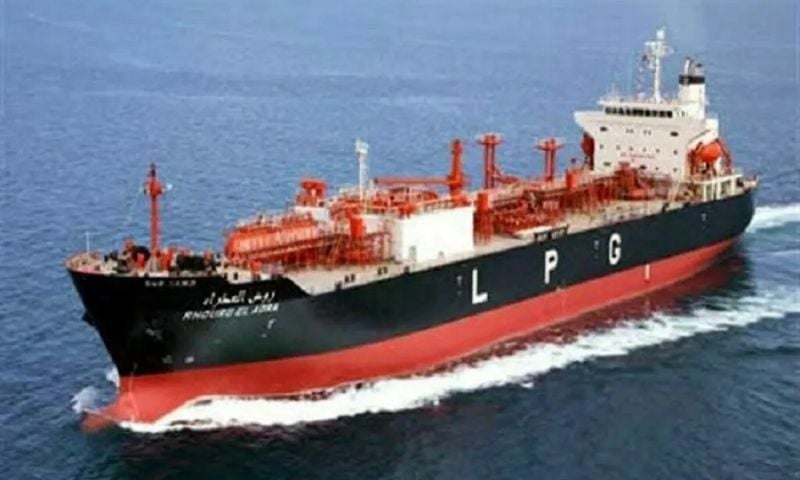
- Navigator Aries discharged around 11,000 tonnes of LPG from Iraq
- Separate large oil cargo from Oman highlights continued maritime inflows
- Authorities maintaining supply chain stability amid regional disruptions
ISLAMABAD: Pakistan has stepped up fuel imports with a series of oil and gas shipments arriving at Port Qasim, helping stabilise domestic supplies as tensions in the Middle East place pressure on global energy routes.
According to shipping and port activity reports, multiple cargoes have recently been handled at Port Qasim.
The relevant authorities are doing their best to ensure that supply lines for both Liquefied Petroleum Gas (LPG) and oil remain intact despite disruptions to regional maritime routes.
Among the confirmed arrivals, the LPG carrier Navigator Aries discharged approximately 11,000 tonnes of LPG from Iraq at the Sui Southern Gas Company terminal earlier this month.
It significantly improved availability in the domestic market, as both domestic and commercial consumers were already facing price and availability strains.
In addition to LPG inflows, a separate large-scale energy shipment underscores continued import momentum.
The oil tanker MT Maritime Amity delivered around 43,930 metric tonnes of oil from Oman to Port Qasim on March 14, reflecting sustained maritime traffic from Gulf suppliers.
The cargo volumes are consistent with medium-range tanker capacities historically operated by Oman-based shipping entities.
These lines typically handle shipments with a capacity range of 35,000 to 40,000 tonnes.
Steady arrival of both LPG and oil cargoes is part of the government’s contingency management effort to ensure uninterrupted fuel availability.
The geopolitical tensions in the Gulf region have raised concerns about potential supply disruptions, forcing countries to make alternative arrangements.
Pakistan relies heavily on imported energy, with Port Qasim serving as a critical hub for handling LPG, crude oil and refined petroleum products.
The port operations are being managed efficiently to avoid delays in berthing and unloading, a port official said, requesting anonymity.
The government is also offering transhipment and green shipping incentives to position Pakistan’s ports as a substitute for the Gulf hubs in the event of hostilities and disruptions in the Middle East.
Given the geopolitical perplexity in the region, continued inflows will be essential to maintaining price stability and preventing shortages in the domestic market as global energy routes, chiefly the Strait of Hormuz, remain under pressure.