


Key Points
- Pakistan’s economy shows steady growth in large-scale manufacturing and exports
- Inflation remains within the government’s target range, supporting financial stability
- Fiscal consolidation strengthens both fiscal and primary balances
- Remittances and IT exports bolster the external sector
- Monetary policy easing and debt management improve financing conditions
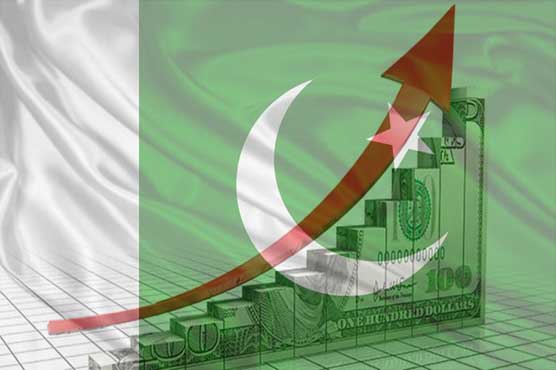
ISLAMABAD: Pakistan entered the third quarter of its 2025-26 fiscal year with improved macroeconomic indicators, according to the Finance Ministry’s Monthly Economic Outlook release on Friday.
Exchange rate stability, sustained growth in workers’ remittances, and rising IT exports contributed to a manageable current account position, collectively strengthening the external sector.
Inflation remained within the target range. Monetary easing reduced borrowing costs across the economy, supporting overall financing conditions. High-frequency indicators show a considerable pickup in output.
Fiscal consolidation has improved, with a surplus in both fiscal and primary balances.
A significant portion of public debt was retired ahead of schedule, marking a notable step in prudent debt management. Additionally, a Rs. 38 billion Ramadan Relief Package enhanced the social safety net.
Agricultural inputs have improved the wheat production outlook for the 2025-26 Rabi season, with sowing covering 23.1 million acres and targeted production at 29.7 million tonnes.
Imports of agricultural machinery rose 10.5 per cent to $76.8 million, while urea consumption increased 12 per cent year-on-year.
Large-scale manufacturing grew 4.8 per cent during July-December 2025-26, reversing a 1.8 per cent contraction last year.
Key sectors driving growth included automobiles, wearing apparel, and petroleum products. Cement dispatches grew 10.6 per cent, with exports rising 61 per cent.
Consumer Price Index inflation stood at 5.8 per cent in January 2026, slightly up from 5.6 per cent the previous month, but below the government’s target ceiling. Sensitive Price Indicators decreased by 0.54 per cent in the week ending February 26.
The government’s fiscal strategy led to a 9.4 per cent rise in total revenue to Rs. 10,683.6 billion, while total expenditure fell 10.3 per cent to Rs. 10,141.7 billion, driven by a 30.7 per cent decline in interest payments. The overall fiscal balance recorded a surplus of Rs. 541.9 billion, or 0.4 per cent of GDP. Primary surplus stood at Rs. 4,105.5 billion, or 3.2 per cent of GDP.
External account performance remained manageable, with a current account surplus of $121 million in January 2026. Remittances rose 11.3 per cent to $23.2 billion, mainly from Saudi Arabia and the United Arab Emirates. Net foreign direct investment totalled $981.4 million, led by China and Hong Kong. As of February 13, foreign exchange reserves stood at $21.3 billion.
The central bank maintained the policy rate at 10.5 per cent to support sustainable growth. Money supply grew 2.3 per cent year-on-year, while private sector credit increased to Rs. 513.4 billion. Fixed investment loans rose to Rs. 236 billion. The Pakistan Stock Exchange index gained 10,120 points in January 2026, reaching 184,174.5, with market capitalisation at Rs. 20,827.5 billion.
Employment abroad and social safety initiatives remained central to resilience. January 2026 saw 75,663 overseas worker registrations, a 19 per cent increase from last year. Interest-free loans worth Rs. 630 million were disbursed to 10,321 borrowers. During July-December 2025-26, Rs. 328.7 billion was disbursed under the Benazir Income Support Programme.
Economic activity is expected to maintain its upward trajectory, driven by large-scale manufacturing, remittances, and resilient agriculture. Inflation is projected to remain within 6-7 per cent in February. Downside risks persist from geopolitical uncertainties and global commodity price volatility, but macroeconomic management is expected to safeguard stability.