


KEY POINTS
- Government says petroleum stocks remain comfortable nationwide
- LNG logistics and LPG inflows placed under close watch
- Provinces to help finalise national energy action plan
ISLAMABAD: Pakistan declared on Wednesday that its fuel stocks remain comfortable despite mounting strain on regional oil shipping routes, as the government stepped up contingency planning to shield domestic markets from global volatility.
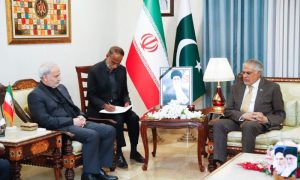
A high-level committee constituted by the Prime Minister, in its daily meeting with Finance Minister Muhammad Aurangzeb in the chair, reviewed petroleum inventories, supply chains and international market movements.
According to an official press release, the committee undertook a detailed assessment of crude oil and refined petroleum product stocks, including petrol, diesel, aviation fuels and liquefied petroleum gas. I
t examined days of cover and daily consumption patterns across the country. “Supply conditions remain stable,” it added.
The review comes at a time of heightened uncertainty surrounding the Strait of Hormuz, a strategic maritime corridor that handles a substantial share of global oil trade.
Any disruption to traffic through the narrow waterway can rapidly affect benchmark prices, freight charges and insurance premiums, sending shockwaves through energy-importing economies across Asia.
Officials briefed the committee on developments in international oil markets, including benchmark price movements, shipping route dynamics and conditions in key maritime corridors.
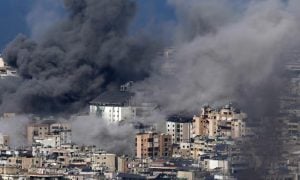
They described the global energy environment as fluid, citing risks linked to the escalating regional conflict.
The meeting also reviewed developments in liquefied natural gas and liquified petroleum gas (LPG) markets.
LNG imports under long-term arrangements remain a critical component of Pakistan’s power generation mix.
Disruptions in regional shipping routes could affect global LNG logistics. LPG inflows through cross-border channels are also being closely monitored to maintain uninterrupted domestic availability.
The committee discussed contingency measures to reinforce supply security, including diplomatic and commercial engagement with friendly countries and suppliers to secure additional crude and refined products if required.
Diversifying procurement through regional energy hubs, including potential arrangements via ports in the Red Sea and the Gulf region, was also examined to maintain refinery operations and strengthen supply resilience.
Finance Minister Muhammad Aurangzeb said ensuring the uninterrupted availability of petroleum products remains the government’s foremost priority.
“The committee is monitoring developments daily to take timely and coordinated decisions,” he added.
The committee has also directed the authorities concerned to maintain heightened vigilance against hoarding, diversion and smuggling of petroleum products during this period of international volatility.
Chief secretaries, all provinces are expected to participate in the next meeting to deliberate on a final national action plan aimed at safeguarding energy security and maintaining orderly market conditions.