


Key points
- Pakistan Gains US Appreciation after Humbling India in May 2025 Conflict
- Adopts a Stern Rather than Sympathetic Afghanistan Policy
- Begins Economic Recovery and Privatises PIA
- Overcomes Domestic Political Challenges
SLAMABAD: Pakistan emerged as a key player on the international stage in 2025, attracting renewed global attention due to regional security developments, economic progress, and shifts in domestic politics, according to analysts and international reports.
Pakistan gains US appreciation
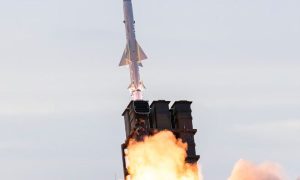
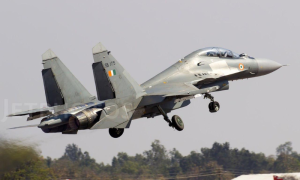
In May, Pakistan and India engaged in four days of military clashes, raising concerns over escalation between the nuclear-armed neighbours. The confrontation prompted urgent diplomatic engagement from the United States, China, and other international actors.
Following the conflict, US officials praised Pakistan’s strategic restraint, highlighting its role in maintaining regional stability. Analysts said the events underscored Pakistan’s continued relevance in South Asian security dynamics.
Stern Afghanistan policy
Pakistan also adopted a firmer stance on Afghanistan in 2025, prioritising security and counterterrorism measures over a sympathetic approach.
Islamabad strengthened border management and engaged regional partners to address militant threats, signalling a shift in policy that analysts say aims to safeguard domestic stability while asserting strategic influence in the neighbourhood.
Economic recovery
Economically, Pakistan saw cautious improvements. Inflation eased slightly, foreign exchange reserves improved, and international lenders increased engagement. Gulf countries expressed renewed interest in investment, particularly in energy, infrastructure, and agriculture.
As part of broader economic reforms, the government moved forward with the privatisation of Pakistan International Airlines (PIA), marking a significant step toward modernising state-owned enterprises and encouraging private sector participation.
On the geopolitical front, Pakistan strengthened ties with China, reaffirming cooperation under the China-Pakistan Economic Corridor (CPEC). Discussions focused on expanding energy projects, industrial zones and connectivity initiatives.
At the same time, Islamabad sought to rebalance relations with the United States, engaging Washington on regional security, trade and counterterrorism issues.
Overcoming domestic political challenges
The government made progress in maintaining policy continuity. Observers noted that political cohesion remained critical to sustaining international engagement and capitalising on economic and diplomatic gains.
Authorities also reiterated commitment to counterterrorism operations amid sporadic militant attacks in parts of the country.
Active in multilateral forums
Pakistan also remained active in multilateral forums, including the United Nations and the Organisation of Islamic Cooperation, where it raised concerns over regional conflicts and humanitarian crises.
Diplomats said Pakistan’s positions received increased attention amid shifting global power dynamics and rising instability in several regions.
By the end of 2025, Pakistan has reasserted itself as an important regional player, shaped by strategic geography and evolving global interests.
Diplomatic activity increased, economic indicators showed cautious improvement, and the country’s role in regional security gained renewed focus.
Sustaining this momentum would depend on internal political cohesion, continued economic reforms and consistent foreign policy engagement. As global uncertainty continues, Pakistan’s position on the international stage remains closely watched by allies and rivals alike.