


ISLAMABAD: Pakistan’s Prime Minister Shehbaz Sharif on Monday reaffirmed his government’s commitment to transforming the country into a cashless and digitally inclusive economy, describing it as a “key driver of sustainable national growth.”
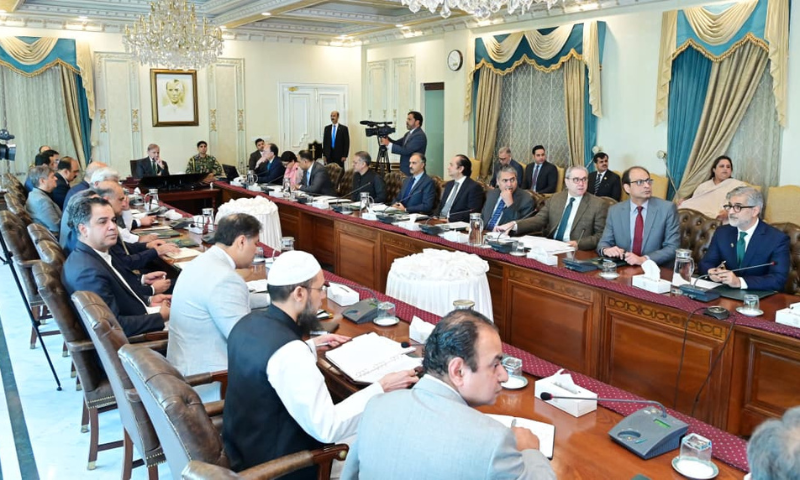
Chairing a high-level review meeting in Islamabad, the prime minister said that the transition toward a cashless economy would enhance governance, curb corruption, and align Pakistan with global digital trends.
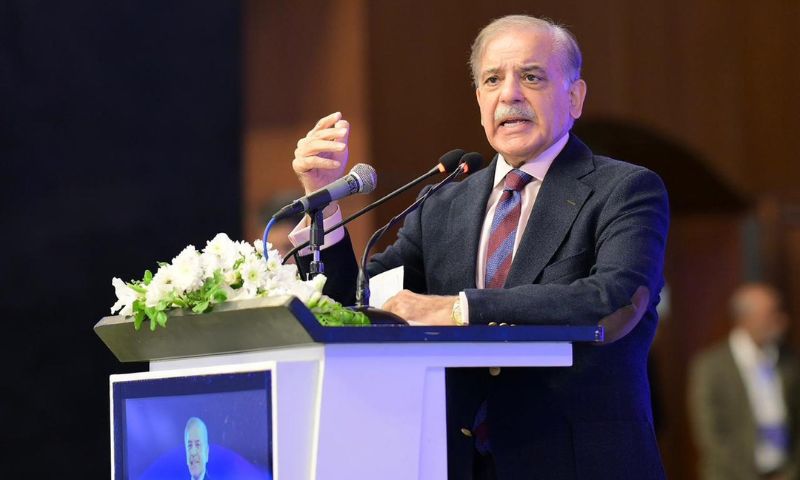
“The world is rapidly moving toward digital economies. Pakistan must keep pace,” Sharif said, directing authorities to intensify awareness campaigns in rural areas to eliminate the informal cash-based sector.
He praised the progress made under his government’s digital transformation agenda, noting that for the first time in Pakistan’s history, financial aid under the Benazir Income Support Programme (BISP) was disbursed digitally via mobile wallets during Ramadan.
The prime minister instructed ministries to ensure all set targets for cashless operations are achieved within the prescribed timelines, calling the current progress “satisfactory.” He lauded the efforts of the Finance Ministry, IT Ministry, Federal Board of Revenue (FBR), State Bank of Pakistan (SBP), and NADRA.
Expanding Digital Infrastructure
Officials briefed the meeting on initiatives aligned with the government’s digitalization strategy. Electricity and gas bills can now be paid through Raast QR codes, allowing billions of rupees in payments to move through formal, traceable digital channels.
Under the BISP Digital Wallet project, one million wallets have been activated, with full rollout expected by the end of November. Future stipends will be transferred exclusively through these wallets to ensure transparency and financial inclusion.
In Islamabad, payments for government services have been fully integrated with the Raast system, while all new business licenses and retail outlets are now required to offer digital payment options. Officials also reported that licenses for digital banks are being issued to expand access to financial services.
Financial Inclusion and Future Goals
The government said that 68% of Pakistan’s population is now financially included through formal or digital systems — a figure expected to rise significantly in 2026. Sharif directed that inclusion programs be expanded nationwide, emphasizing the role of technology in empowering citizens.
The meeting was attended by key federal ministers, including Ahsan Iqbal, Muhammad Aurangzeb, Attaullah Tarar, Shaza Fatima Khawaja, Bilal Azhar Kayani, as well as SBP Governor Jameel Ahmed, NADRA Chairman Lt Gen Muhammad Munir Afzal, and FBR Chairman Rashid Mahmood Langrial.
Shehbaz Sharif reiterated that Pakistan’s shift toward a cashless economy represents not only an economic reform but also a step toward transparency, accountability, and modernization.