


ISLAMABAD: The Pakistan Population Summit opens today, launching a national dialogue on restoring demographic balance and linking population planning to economic stability and sustainable development.
Organised by DawnMedia, the two-day event gathers ministers, politicians, economists, development experts and private-sector leaders to develop a shared vision as Pakistan’s fast-growing population intensifies pressure on healthcare, food and water security, education and employment.
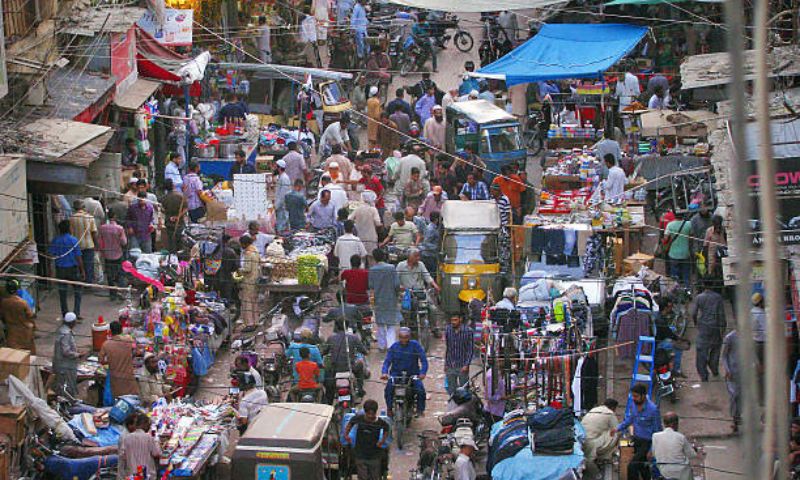
With a population of 241 million and an annual growth rate of 2.4% — the highest in South Asia — Pakistan adds 4–5 million people every year. Official projections warn the country will require 104 million jobs by 2040, and cannot meet the SDGs by 2030 unless population growth slows.
The summit’s twelve sessions will explore restoring population balance by 2050, accelerating economic growth, political commitment to the ‘tawazan’ narrative, regional demographic trends, human development challenges, urbanisation pressures, women’s empowerment, and the role of information ministries in shaping Pakistan’s optimum population outlook.
Sessions will be chaired by senior federal ministers including Muhammad Aurangzeb, Ahsan Iqbal, Dr Malik Mukhtar Bharath and Attaullah Tarar, alongside provincial leaders. International speakers include UK High Commissioner Jane Marriott, World Bank’s Dr Bolormaa Amgaabazar, and UNFPA’s Dr Luay Shabaneh. Former UN envoy Dr Maleeha Lodhi will deliver a keynote on the human development crisis.
Experts stress the need to treat population planning as a national priority, backed by stronger governance, investment in human capital — especially women and girls — and increased public financing up to 2% of GDP. They also call for revisiting the National Finance Award formula, currently based largely on population size.
According to the Population Council, achieving CCI targets of reducing fertility to 2.2 children per woman and lowering population growth to 1.2% by 2030 could result in 50 million fewer people by 2050, easing pressure on Pakistan’s development trajectory.