


Key Points
- Govt plans tech-based targeted fuel subsidy amid limited fiscal space
- Digital system to identify eligible consumers and reduce subsidy leakages
- Petroleum supply reported stable as fiscal constraints shape policy shift
- Provinces support coordinated approach amid global oil price volatility
ISLAMABAD: Pakistan plans to develop a targeted subsidy mechanism for petroleum products using a technology-driven system as limited fiscal space forces a shift away from broad-based relief measures, according to an official statement after a high-level meeting in Islamabad.
The proposal was reviewed at a meeting chaired by Finance Minister Senator Muhammad Aurangzeb. Officials briefed the meeting on petroleum supply conditions and options for restructuring fuel subsidies.
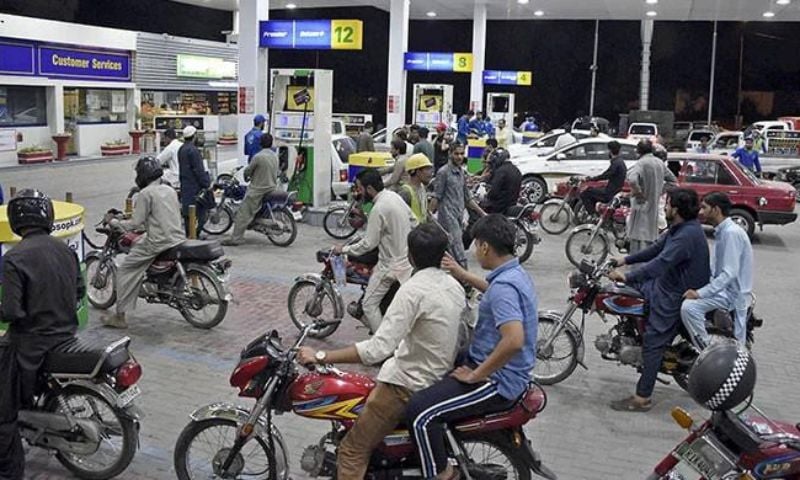
The Petroleum Division informed participants that fuel availability across the country remains stable and adequate.
The Ministry of Information Technology and Telecommunication presented digital solutions for a targeted subsidy framework based on data integration and verification systems.
The proposed mechanism aims to identify eligible consumers and deliver subsidies directly, reducing inefficiencies and leakages in the system.
Officials said the initiative is designed to improve transparency and ensure more efficient use of limited public resources.
The Finance Division noted that fiscal space for additional subsidies remains constrained and is largely dependent on petroleum levy revenues, which continue to play a key role in the fiscal framework.
Provincial representatives shared their views on the policy direction. Sindh Chief Minister Syed Murad Ali Shah said the federal government had ensured an uninterrupted fuel supply and stressed the importance of managing consumption patterns.
Punjab Senior Minister Marriyum Aurangzeb said multiple policy scenarios should be prepared responding to global oil price volatility and emphasised that any reduction in international prices should be passed on to consumers.
Khyber Pakhtunkhwa Finance Minister Muzzammil Aslam said Pakistan’s petroleum supply management remained relatively stable compared to several regional economies.
Balochistan Finance Minister Mir Shoaib Nosherwani also shared his views during the meeting.
The Finance Division briefed participants that relief measures must be carefully calibrated to maintain macroeconomic stability. It said the government is considering a shift from generalised subsidies toward targeted support using verified digital systems.
Finance Minister Aurangzeb said the current situation should be used to advance structural reforms, particularly in taxation and subsidy design.
He emphasised data-driven policymaking to improve targeting, transparency and efficiency in public spending. He also highlighted the need to promote responsible fuel consumption alongside any subsidy framework.
Participants agreed to expedite work on a technology-based targeted subsidy mechanism and maintain coordination between federal and provincial governments for implementation.
Sindh Chief Minister, provincial finance ministers from Punjab, Khyber Pakhtunkhwa and Balochistan, chief secretaries of all four provinces, Federal Minister for Petroleum Ali Pervaiz Malik, Federal Minister for Information Technology and Telecommunication Shaza Fatima Khawaja and all other relevant officials were present in the meeting.