


ISLAMABAD: Pakistan is preparing a series of emergency measures to stabilise petroleum markets and ensure uninterrupted fuel supplies after disruptions in global shipping routes caused by the closure of the Strait of Hormuz.
According to officials familiar with the development, the government plans to introduce weekly petroleum price adjustments, compensate oil companies for rising import costs and insurance premiums, and encourage fuel-saving measures such as remote work to reduce consumption.
A summary outlining these proposals is being prepared for submission to the federal cabinet’s Economic Coordination Committee (ECC) for immediate consideration.
Authorities fear that continued disruption to maritime trade through the strategic Gulf passage – a critical route for global oil shipments – could tighten supply chains and push petroleum prices higher in Pakistan.
Precautionary fuel imports
Even before the ECC makes a formal decision, the state-owned Pakistan State Oil has already initiated precautionary steps. The company has issued two separate tenders each for petrol and diesel imports from sources outside the Strait of Hormuz, aiming to diversify supply routes.
Officials say the country currently holds over 500,000 tonnes of petrol and diesel stocks, which are sufficient to meet demand for roughly 26 days and 25 days respectively. Pakistan has also approached Saudi Arabia to explore the possibility of shipping crude oil through alternative routes via the Red Sea.
Diesel supply risks
While petrol imports are considered relatively secure for now, diesel supplies pose a greater challenge. Pakistan relies heavily on long-term diesel shipments from Kuwait, most of which traditionally pass through the Strait of Hormuz.
Officials also indicated that more than 20 percent of global oil cargoes are currently stranded in the region, creating shortages of available shipping vessels and pushing up transportation costs.
Soaring insurance and freight costs
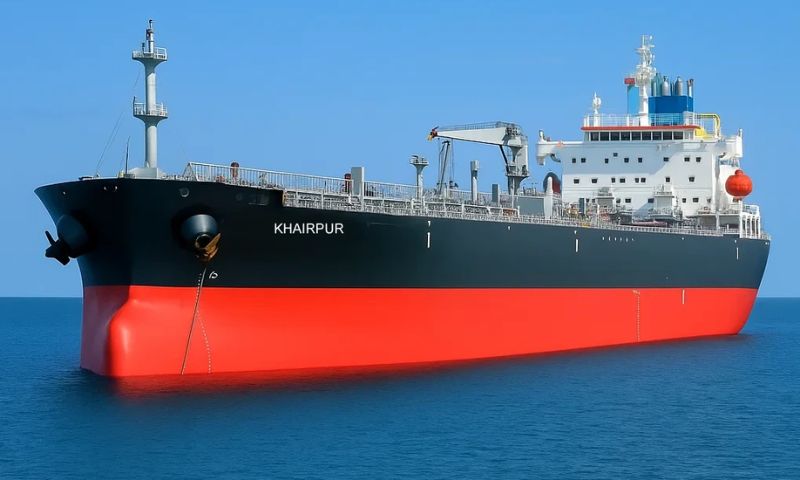
The ongoing crisis has sharply increased the cost of transporting petroleum products. Insurance premiums for oil shipments have surged from around $30,000 per vessel to nearly $400,000, while freight charges have also risen dramatically.
Ship charter rates that previously stood near $900,000 have climbed to over $4 million since the crisis began. At the same time, import premiums on petroleum products have also increased significantly compared to the $3–5 per barrel level at which some cargoes had been booked earlier this year.
Officials say these additional costs are too large for oil marketing companies and refineries to absorb on their own. Without government support, companies could invoke force majeure and suspend imports.
To prevent such a situation, the government is considering a compensation mechanism that would allow oil companies to recover these extraordinary expenses while ensuring that fuel continues to reach retail markets.
Weekly fuel price adjustments under consideration
Another proposal under review is to shift the current fortnightly fuel price review to a weekly system. Officials say this would allow the government to pass on rising international costs more quickly, preventing financial pressure on suppliers and helping maintain market stability.
Initial estimates suggest that the price difference caused by the crisis has already reached Rs45–50 per litre for diesel and around Rs25–26 for petrol, with the gap likely to widen if global conditions remain volatile.
Supply management measures
Amid concerns from fuel dealers about limited deliveries, the Oil and Gas Regulatory Authority and oil marketing companies have adopted a temporary supply management system. Under this arrangement, petrol pumps will receive fuel supplies based on their average sales record of the past eight months, rather than unlimited allocations.
Regulators say the move is intended to prevent hoarding and panic buying during periods of price volatility. Officials insist that no nationwide shortage of petrol or diesel currently exists and that available stocks remain within required limits.
Cabinet committee reviews energy situation
Meanwhile, a cabinet committee on petroleum price monitoring, chaired by Finance Minister Muhammad Aurangzeb, reviewed the country’s energy situation during a meeting in Islamabad on Wdnesday.
Participants examined national inventories of crude oil, petrol, diesel, aviation fuel and LPG, as well as daily consumption patterns and supply coverage. The meeting also reviewed developments in international oil markets, including benchmark price movements, freight costs, insurance rates and shipping route changes.
The committee observed that the global energy environment remains uncertain due to disruptions in the Strait of Hormuz and their potential impact on international oil trade.
Officials also assessed the outlook for liquefied natural gas (LNG) and liquefied petroleum gas (LPG) supplies. While LNG imports under long-term contracts remain stable, disruptions to shipping routes could complicate global logistics, the meeting was told.
Exploring alternative supply routes
To strengthen supply security, the government is exploring alternative sourcing options and shipping corridors, including potential arrangements through ports in the Red Sea and other regional energy hubs.
Diplomatic and commercial contacts with friendly countries are also underway to secure additional crude oil and petroleum supplies if needed.
The committee stressed that maintaining uninterrupted petroleum availability remains the government’s top priority. It also directed authorities to increase vigilance against hoarding, smuggling and illegal diversion of fuel, particularly during periods of global volatility.
Chief secretaries from all provinces are expected to attend the committee’s next meeting to review a national action plan aimed at safeguarding fuel supplies and ensuring coordinated implementation across the country.
Officials say the government will continue consultations with stakeholders to finalise a comprehensive strategy designed to keep fuel markets stable while preparing for potential long-term disruptions in global energy trade.
Pakistan imports most of its oil, mainly from Gulf countries such as Saudi Arabia and Kuwait. Most shipments pass through the Strait of Hormuz, making supply vulnerable to regional conflicts.