


Key Points
- Traders and transporters across Punjab, Sindh, KP, and Balochistan largely kept businesses and traffic running as usual.
- Local voices from major cities reflected a lukewarm response, with many openly distancing themselves from the strike call.
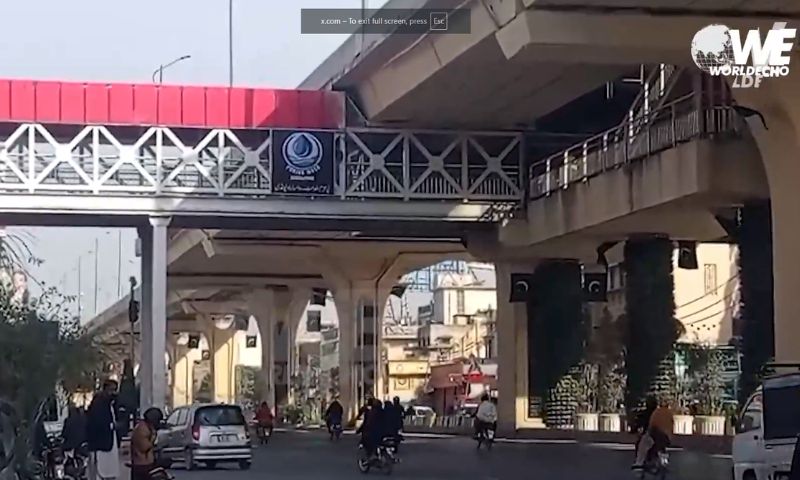
ISLAMABAD: Pakistan experienced relatively normal business operations and transportation on Sunday across the country, despite the opposition’s call for a shutdown and wheel-jam strike scheduled for February 8.
The main opposition party, Pakistan Tehreek-e-Insaf, along with an alliance called Tahreek-e-Tahafuz-e-Aieen-e-Pakistan, had called for a national protest against alleged election rigging and a strike in support of their demands, which include the release of their convicted leader.
In Punjab’s Rawalpindi, traders made clear their decision well before the scheduled protest. Sharjeel Mir, President of Rawalpindi Traders Association, said, “We will keep shops and markets open, and it is the duty of the administration to ensure that no one forces shopkeepers to go on strike.” Rawalpindi Cantonment traders also pointed out that all bazaars would remain open on February 8.
In Shahkot, central Punjab, Ashiq Bhatti, local merchants’ coordinator, urged peers “not to pay heed to rumours and to keep businesses open on February 8 as usual.” In Faisalabad, Sajid Iqbal, President of Faisalabad Chamber of Commerce, emphasised that markets and shops would remain operational, openly rejecting calls for a province‑wide shutdown.
In Khyber-Pakhtunkhwa, Peshawar, where the PTI is the ruling party, there were limited strike scenes on some arterial roads.
However, business hubs and food streets remained busy with open shops and normal traffic flow throughout the day. Essential services, including government‑run buses and BRT, were carried on without interruption.
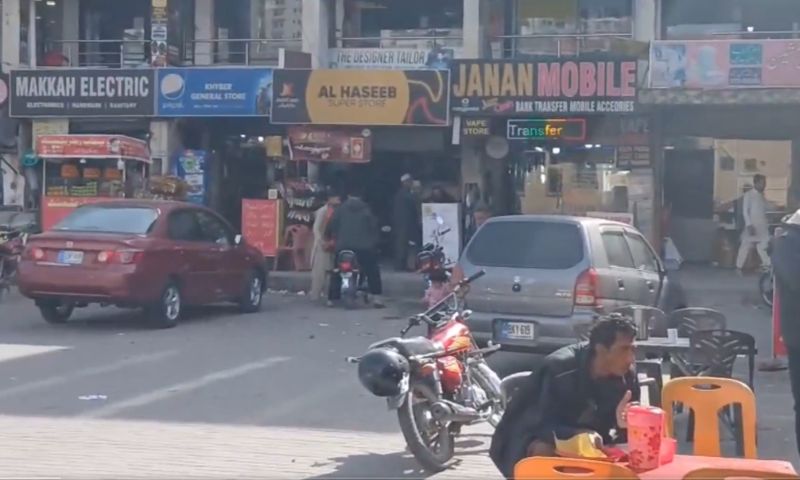
Rashid Khan, a Senior Member of the Sarhad Chamber of Commerce, had earlier stated they could not afford further disruptions and urged political movements to focus on economic improvement. He summed up his view: “We voted for PTI, but we cannot close our shops and halt our business for this protest.”
Across Sindh and Balochistan, no widespread strike activity was observed, with many businesses fully operational and regular transport services running.
The majority of traders in Karachi were operating as usual, noted Khalid Mehmood, Karachi Traders Association Secretary. At the same time, public transport terminals recorded normal passenger flow, Ahmed Baloch, Quetta Transport Union Head, reported.
However, there were voices in support of the strike call in Balochistan. Mir Ziaullah, Balochistan PTI Provincial Coordinator, said, “We called for this peaceful strike to protest alleged election irregularities, and some areas did witness participation from our party workers and supporters.”
This highlights that while the overall response was lukewarm, the opposition did receive limited backing from party loyalists in certain pockets.
The business community at large, including prominent chambers of commerce, had also promptly rejected the strike call.
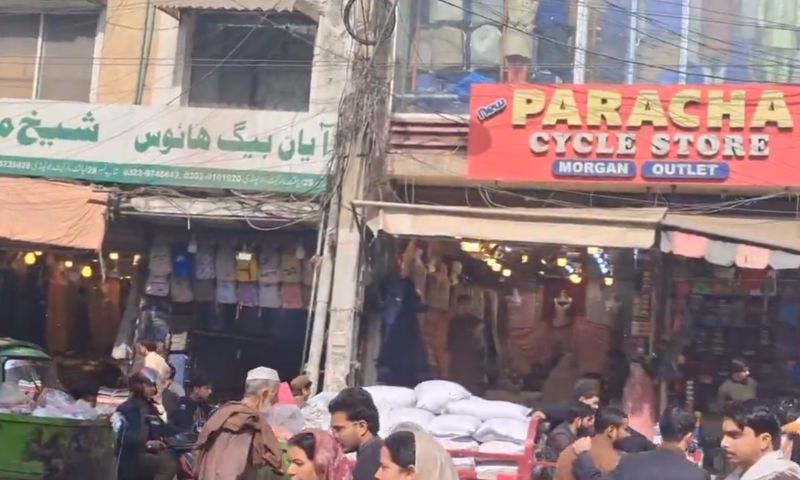
“It is a blatant conspiracy against the national economy,” Arif Saeed, former president of the Lahore Chamber of Commerce and Industry (LCCI), labelled the strike call, warning that strikes cause heavy losses in tax revenues, delay industrial orders and hurt daily-wage workers.
Transporters remained largely uncommitted to wheel‑jam actions, with major highways and urban roads seeing routine traffic movements throughout the day. Several transport unions said that they would not participate in a political demonstration that could disrupt livelihoods.
Political analysts say the lacklustre turnout among traders and transporters on February 8 reflects both the country’s fragile economic environment and fatigue with protest politics. While opposition parties reiterated their resolve to challenge alleged electoral irregularities, the public’s economic priorities appeared to outweigh political calls for disruption.