


Key Points
• Pakistan aims to raise exports to $60 billion over the next four years
• Planning Minister says failure could force a return to the IMF
• Government considering “export emergency” and structural reforms
• High‑level committee tasked with roadmap for export‑led growth
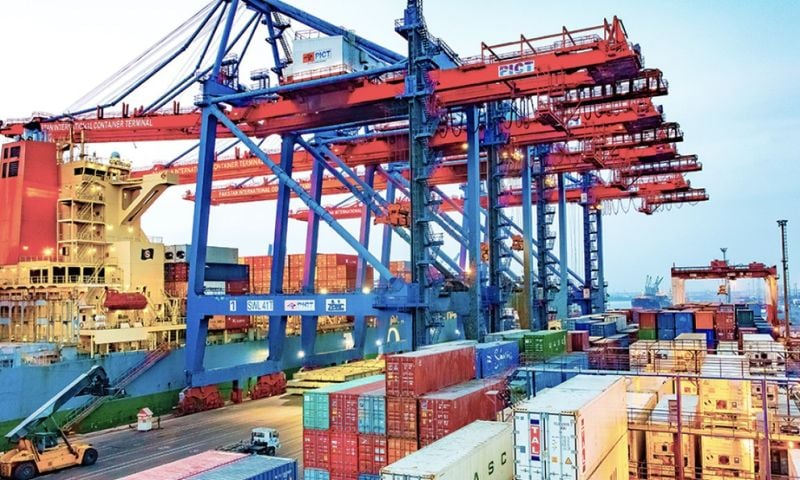
ISLAMABAD: Pakistan’s Planning Minister has urged a major expansion in exports to avert renewed dependence on the International Monetary Fund, outlining a target to double export earnings to $60 billion within four years.
Pakistan must raise its annual exports to $60 billion by 2030 to avoid a fresh IMF loan package, Planning Minister Ahsan Iqbal said in a recent interview, flagging the scale of the challenge facing the South Asian economy. Currently, Pakistan’s export earnings are well below this target, and without rapid growth in overseas sales, he warned, Islamabad may have limited options other than seeking new external financing.
“The only way Pakistan could avoid IMF bailouts is to raise exports to $60 billion in four years and to $100 billion over the next decade,” Iqbal said, emphasising the need for structural reforms and faster export expansion to strengthen the economy. He described plans under the government’s national transformation strategy to declare an “export emergency” to boost competitiveness, speed up tax refunds for exporters and remove long‑standing structural bottlenecks.
Pakistan has a long history of engagements with the IMF. The country last secured a $7 billion IMF programme in 2024, aiming at economic stabilisation, and authorities are keen to reduce reliance on such external support in future. Failure to shift to export-led growth could leave Pakistan with few alternatives, forcing it either to turn to friendly nations for help or return to IMF negotiations for further assistance, Iqbal said.
Officials say the Prime Minister has already appointed a high-level committee led by Deputy Prime Minister Ishaq Dar to drive and implement the export growth strategy. The committee’s efforts include identifying ways to improve tax incentives, ease of doing business, logistics efficiency and trade facilitation — all seen as critical to expanding export capacity.
The government’s export target comes amid broader economic concerns. The World Bank has noted that Pakistan’s export performance has lagged behind its regional peers, with the share of exports in GDP declining over recent years and remaining below its potential.
Experts say structural issues such as high tariffs, costly energy, regulatory hurdles and weak logistics have constrained Pakistan’s trade growth and need attention as part of any export-driven strategy.
Pakistan’s economy remains vulnerable to balance-of-payments pressures, and boosting exports is central to enhancing foreign exchange reserves, reducing trade deficits and creating jobs. Agriculture, textiles, information technology and light manufacturing are among the key sectors identified for export expansion.
Recent data indicate some positive momentum, with agricultural exports rising by an estimated $3 billion to $3.5 billion. However, challenges remain in broader industrial output and market diversification.
Business groups and economists, while supportive of export growth, caution that the $60 billion goal is ambitious, given the global economic slowdown and domestic structural constraints. They state that consistent policy support, stable exchange rates, improved access to finance and stronger trade diplomacy are essential to achieving sustained export growth.
Government officials maintain confidence in Pakistan’s potential to expand trade substantially. “Our focus is on developing clusters in agriculture, industry, services, IT, manpower export, mining, blue economy and creative industries to harness full export potential,” a senior planning official said, outlining the broad approach under the national economic transformation plan.