



Key points
- Solar power buyback rates cut by around 60 percent
- Government cites losses of power distribution companies
- Industry warns move may hurt renewable energy growth
ISLAMABAD: Pakistan’s government is considering replacing its net metering policy for rooftop solar with a net billing mechanism, a move officials say is aimed at easing financial pressure on the country’s struggling power sector but which has sparked concern among consumers and industry stakeholders.
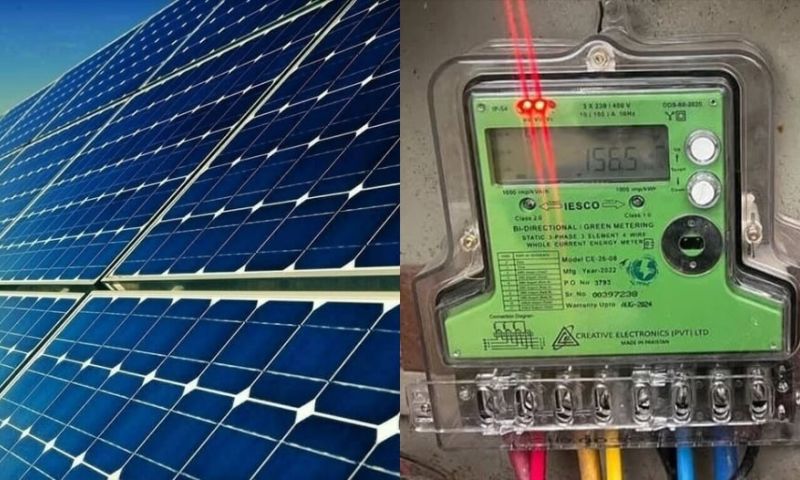
Under the proposed framework, electricity generated by rooftop solar systems and exported to the national grid would be purchased at rates around 60 percent lower than existing prices, reports Arab News.
Solar consumers would continue to buy electricity from the grid at prevailing commercial tariffs. In contrast, net metering currently allows consumers to offset exported electricity against imported units at the same rate.
Government officials say rapid growth in rooftop solar has reduced revenues for power distribution companies, even as fixed capacity payments to power producers continue to rise.
Pakistan has seen a surge in residential and commercial solar installations in recent years, driven by soaring electricity prices, inflation and frequent power outages.
Net billing system
A senior official at the National Electric Power Regulatory Authority (NEPRA) said the proposed net billing system would apply to both new and existing consumers, though implementation would follow a public hearing and consultations with stakeholders.
Commercial electricity tariffs currently range between Rs30 and Rs50 per unit, while the average energy price stands at Rs10–12 per unit and the average power purchase price at around Rs25 per unit.
According to the proposal available on NEPRA’s website, new solar consumers would receive the lower energy rate, while existing users would continue to get higher rates until their seven-year contracts expire.
Energy Minister Sardar Awais Leghari said the government would present its position during NEPRA’s public hearing expected next month, adding that contractual obligations for existing consumers would be honoured.
The proposal has drawn criticism from industry representatives, who warn it could slow renewable energy adoption. The Pakistan Solar Association said lower buyback rates would make it harder for consumers to recover investments and could undermine Pakistan’s climate commitments.
Pakistan, among the countries most vulnerable to climate change, has pledged to expand renewable energy. Critics argue that weakening incentives for rooftop solar risks burdening consumers already struggling with high utility costs.