



Key Points
- Pakistan holds NGMS/5G spectrum auction to expand next-generation connectivity
- Government links digital infrastructure with economic growth and IT exports
- Enhanced connectivity expected to support emerging technologies and digital services
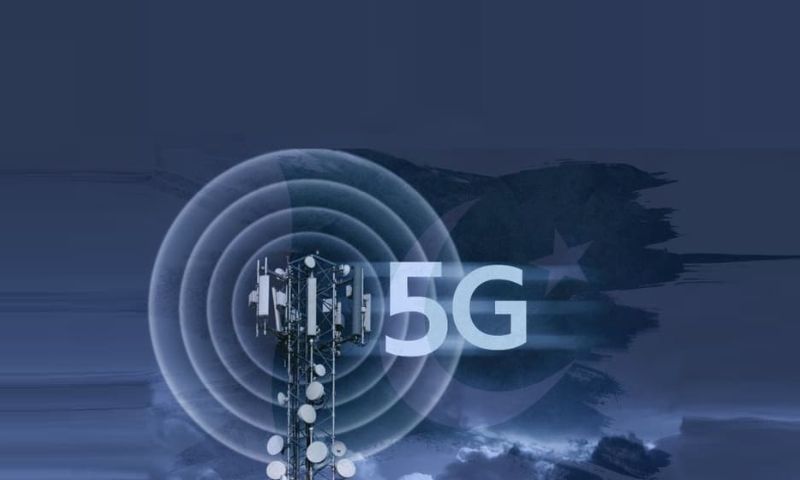
ISLAMABAD: Pakistan has taken a significant step toward next-generation connectivity with a long-awaited spectrum auction aimed at enabling 5G services and strengthening the country’s digital economy.
At the inauguration of the auction process, Finance Minister Senator Muhammad Aurangzeb described the initiative as a historic milestone in the country’s technological development.
Addressing participants of the auction ceremony, Aurangzeb said the New Generation Mobile Services spectrum process marked the culmination of nearly eighteen months of consultations and policy work undertaken by a government spectrum committee. The country’s telecom regulator, the Pakistan Telecommunication Authority, is organising the auction process.
The Minister said the committee had worked to develop a balanced framework designed to optimise public revenue and encourage long-term investment in the telecommunications sector. The IT and Telecom sector remains a key pillar of Pakistan’s digital transformation strategy.
The groundwork for the spectrum auction was initiated in 2021, the minister said, adding that continuity in policy direction across successive governments played a crucial role in bringing the initiative to completion.
“Digital development is not an end in itself but a means to achieve broader economic and social progress,” he said, emphasising that improved connectivity would enable faster, cheaper and more reliable services for businesses and consumers alike.
The development comes at a time when countries across Asia, Europe and North America are rapidly deploying 5G networks to support data‑intensive technologies ranging from artificial intelligence to autonomous systems and cloud computing.
Pakistan, the world’s fifth most populous country with more than 190 million mobile subscribers, has been seeking to expand its digital infrastructure to remain competitive in the global technology landscape.
Industry analysts say the transition toward 5G networks could significantly strengthen Pakistan’s growing information technology and IT‑enabled services sector, which has emerged as one of the country’s fastest-expanding export industries.
According to government and industry estimates, Pakistan’s IT and IT‑enabled services exports have risen steadily over the past decade, supported by a large pool of software engineers, a rapidly expanding freelance workforce and increasing participation in global digital marketplaces.
Officials say improved digital infrastructure could help the country capitalise on this momentum by enabling high‑speed connectivity for technology firms, start‑ups and remote workers.
Aurangzeb highlighted the importance of creating an enabling ecosystem that allows the private sector to drive innovation and growth. The government’s role is primarily to provide policy stability, regulatory clarity and the digital infrastructure required for modern economic activity, he added.
He recalled several initiatives intended to support Pakistan’s digital transition, such as facilitating freelancers, expanding broadband coverage and digitising government payment systems.
The finance minister also said the introduction of 5G-capable networks would enable research and development in artificial intelligence, blockchain applications and Web 3.0 platforms. All these services increasingly rely on high-capacity, low-latency networks.
Observers note that faster connectivity could also transform sectors beyond technology, including education, healthcare, agriculture and financial services, through the expansion of telemedicine, digital classrooms, smart farming systems and mobile banking.
Aurangzeb said enhanced digital connectivity could also prove crucial during periods of disruption, enabling transitions to remote working and online education when required.
Pakistan’s telecom sector has already undergone rapid expansion over the past two decades, moving from limited fixed-line infrastructure to widespread mobile broadband services.
Government officials expressed confidence that the latest spectrum auction would accelerate that transition and open new opportunities for innovation, investment and digital entrepreneurship across the country.
Aurangzeb concluded by thanking members of the spectrum committee and other stakeholders involved in the process, expressing hope that the auction would help expand connectivity and unlock new economic opportunities for Pakistan’s digital future.