


Key Points
- The government prioritises improving fiscal discipline with tax base expansion
- Civil service is viewed as critical to executing reforms
- Institutional resilience is central to sustainable growth
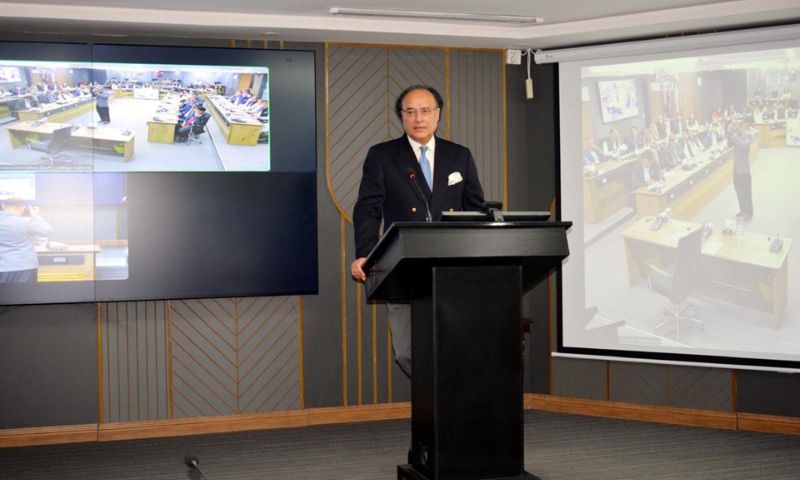
ISLAMABAD: Pakistan is intensifying efforts to broaden its tax base and enhance public financial management, Finance Minister Muhammad Aurangzeb said during a strategic session with senior civil service officers at the National School of Public Policy.
The minister highlighted ongoing reforms aimed at improving transparency, accountability, and fiscal discipline. Consistent policy execution by senior administrators is essential to translate strategies into measurable outcomes, he added.
Officials describe the current phase as one of reform consolidation, following tighter fiscal controls, improved external balances, and careful expenditure planning.
Aurangzeb emphasised the importance of data-driven decision-making, strategic planning, and inter-ministerial coordination to tackle challenges, including fiscal sustainability, energy sector restructuring, and climate-related risks.
He noted that institutional resilience — the ability of state structures to implement policy consistently despite shocks — will determine whether Pakistan can convert recent stability into sustained growth.
The reform push also coincides with Pakistan’s effort to reposition itself internationally after the May 2025 military confrontation with India, reinforcing both strategic confidence and global economic credibility.
The policy dialogue reflects a broader government initiative to align administrative leadership with national economic priorities, emphasising governance as a central pillar of Pakistan’s recovery trajectory.