


Key Points
- Pakistan asks United Kingdom authorities to investigate violent incitement
- Video shows threat against Pakistan’s chief of defence forces
- Islamabad hands over evidence and cites counter-terrorism obligations
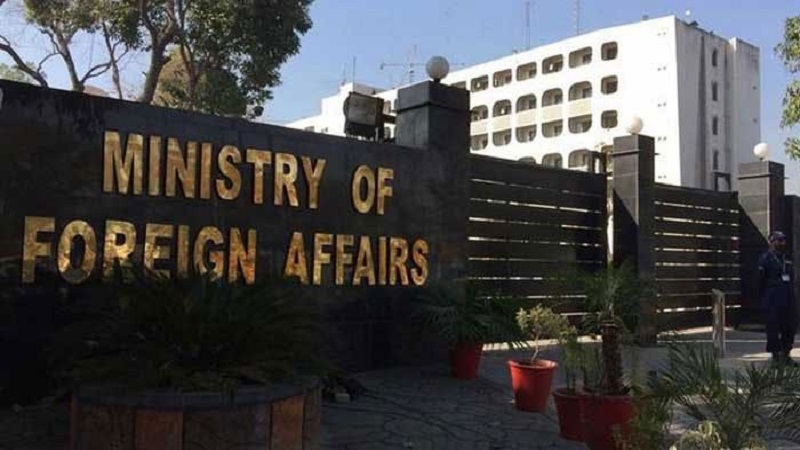
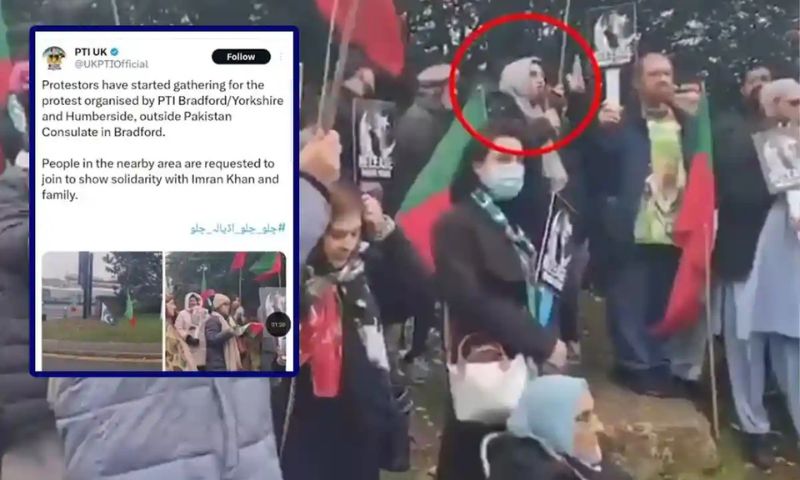
ISLAMABAD: Pakistan has issued a formal demarche to the Acting British High Commissioner in Islamabad over threats and objectionable remarks made during a protest held outside the Pakistani Consulate in Bradford, according to official sources.
The protest, reportedly organised through a Pakistani political party operating in the United Kingdom, witnessed participants using highly provocative and derogatory language against Pakistan’s Chief of Defence Forces, the sources said.
During the demonstration, some protesters allegedly issued death threats, including statements suggesting the military leadership be killed in a car bomb attack. Officials said the Government of Pakistan has taken serious note of the threats issued from British soil.
Islamabad has urged the UK Government to ensure that its territory is not used for activities aimed at destabilising Pakistan.
Pakistan has also expressed the hope that strict action will be taken under British law against those involved in issuing threats and inciting violence, and that such elements will be held accountable, the sources added.
According to the sources, the Pakistan government has submitted video evidence and a full transcript to British authorities in both London and Islamabad. The footage, shared on the Pakistan Tehreek-e-Insaaf United Kingdom social media account, shows a woman calling for Field Marshal Munir to be killed in a car bomb attack, invoking the 1988 plane explosion that killed former military ruler General Zia ul Haq. The video was also highlighted by journalist Murtaza Ali Shah on X.
In a formal letter addressed to the United Kingdom authorities, Islamabad described the incident as “a serious and unprecedented misuse of British territory for activities that amount to incitement to terrorism, violence, and internal destabilisation of a sovereign state.”
The letter stated that the content was “neither rhetorical nor political,” but instead constituted “explicit incitement to murder and the glorification of violence against the senior military leadership of a United Nations member state.” It added that the messaging was deliberately amplified to audiences inside Pakistan with the intent of provoking unrest, street violence, and confrontation with state institutions.
Pakistan further warned that political platforms operating from the United Kingdom had repeatedly encouraged disorder and violent mobilisation within Pakistan, effectively attempting to instigate internal instability from abroad while remaining outside domestic accountability.
The communication cited multiple legal frameworks, including United Nations Security Council Resolution 1373 and the United Kingdom Terrorism Act 2006, which criminalise encouragement, glorification, and indirect incitement to terrorism. It also underlined established principles of international law that prohibit the use of one state’s territory to incite violence against another.
“Freedom of expression does not include the freedom to incite murder or civil violence,” the letter said, adding that political asylum “does not confer immunity to promote terrorism or destabilisation abroad.”
Islamabad formally expects the United Kingdom to identify, investigate, and prosecute those involved; examine the role of Pakistan Tehreek-e-Insaaf’s United Kingdom chapter in amplifying violent messaging; and take legal or administrative measures to ensure British territory is not used to inspire violence inside Pakistan.
“This matter constitutes a serious test of the United Kingdom’s commitment to counter-terrorism obligations, international law, and responsible state conduct,” the letter concluded, warning that inaction would be viewed as tolerance and could affect bilateral trust.