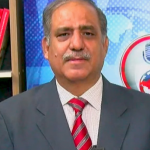




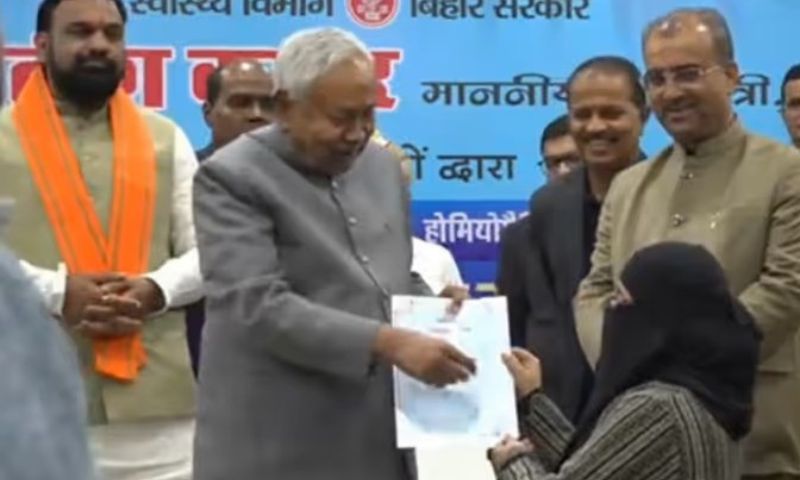
ISLAMABAD: Pakistan’s information minister Attaullah Tarar has sharply criticised India over what he described as a growing pattern of Islamophobia, citing a recent incident in the Indian state of Bihar involving the forced removal of a Muslim woman’s hijab.
“Recently, we have seen a very unfortunate incident,” Information Minister Attaullah Tarar said, referring to the case in which a Muslim medical graduate was allegedly compelled to remove her veil. “Pakistan’s foreign office officially condemned it,” he added, noting that the incident drew a formal diplomatic response from Islamabad.
In an exclusive interview with WE News English, Tarar accused Indian political leadership of normalising intolerance, singling out Bihar Chief Minister Nitesh Kumar. “I think India is now suffering from moral bankruptcy, extreme polarisation, extremism and violent extremism,” he said. “When a political leader as senior as a chief minister does such a horrendous act, it is highly condemnable. There is no justification whatsoever. It was a very nasty act.”
Tarar said such incidents cannot be viewed in isolation, arguing that they are often accompanied by what he described as organised propaganda and distorted narratives amplified through digital platforms.
India and information warfare
Tarar said Pakistan has faced sustained information warfare from India, particularly during periods of heightened tension between the two nuclear-armed neighbours. He argued that misinformation and exaggerated claims are increasingly used as tools to influence domestic and international opinion.
Referring to the confrontation earlier this year, officially described by Pakistan as Marka-e-Haq, Tarar said the information domain became a central battleground alongside diplomatic and military pressures. He alleged that false and misleading claims circulated widely from Indian media and online sources during the crisis.
According to Tarar, the absence of a coordinated information response in India led to the spread of demonstrably inaccurate reports, which he said ultimately undermined New Delhi’s credibility internationally. He contrasted this with Pakistan’s approach, which he said focused on timely dissemination of verified information.
Pakistan’s strategy during the conflict
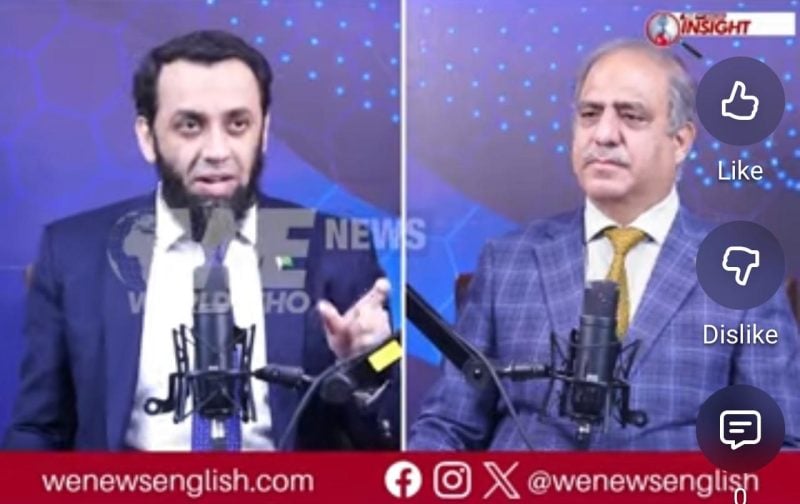
Tarar said Pakistan adopted a unified and coordinated communication strategy during the confrontation, bringing together the prime minister’s office, the Ministry of Foreign Affairs, the Ministry of Information and Broadcasting and the military’s media wing, ISPR.
He said the prime minister publicly offered a fair and impartial investigation into the Pahalgam incident and that diplomatic engagement was pursued in parallel with regular media briefings. Information, he said, was shared in real time across institutions and provided promptly to Pakistani broadcasters and international media organisations.
Tarar credited Pakistan’s media for airing official information responsibly and said international outlets relied on Pakistan’s version of events because it was supported by facts. Domestically, he said the government emphasised political unity during the crisis, while political polarisation in India weakened the coherence of its messaging.
Digital outreach and counter-narratives
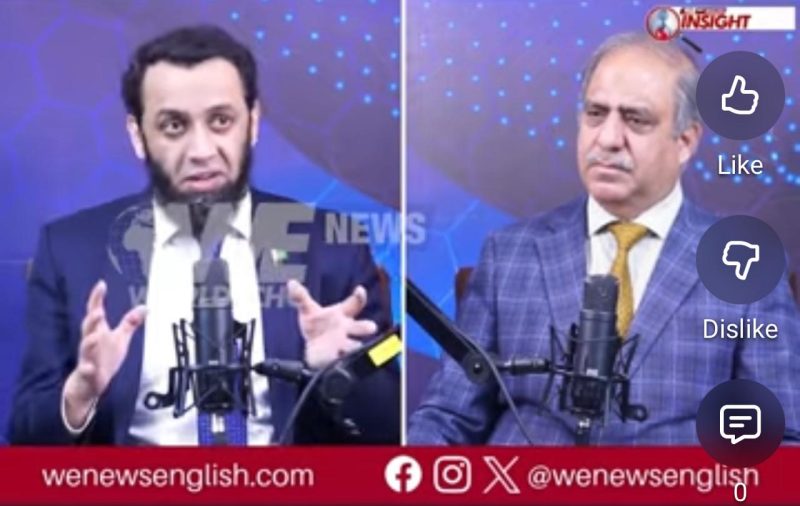
Beyond traditional media, Tarar said Pakistan relied heavily on digital tools to counter misinformation. As Indian authorities restricted Pakistani YouTube channels and commentators, Pakistan responded by placing paid digital advertisements inside India, allowing Pakistani content to reach Indian audiences directly.
He said the content, including material highlighting Pakistan’s armed forces, received millions of views and triggered debate within India over the visibility of Pakistani narratives on local platforms. According to Tarar, the episode demonstrated the limitations of digital censorship in an interconnected media environment.
Sydney shooting and fact-checking response
Tarar said Pakistan also faced a surge of misinformation following the Sydney shooting incident, with false claims circulating rapidly across social media. He said the government activated its fact-checking mechanisms to counter inaccurate reporting.
According to Tarar, the Ministry of Information has established official “fake news buster” social media accounts and a dedicated verification cell that monitors digital platforms, identifies false content and issues corrections. Verified information, he said, is disseminated through social media, electronic media and directly to international wire services.
He added that officials remain in regular contact with correspondents from global news agencies, to ensure timely clarification and accurate reporting.
Government information policy and digital department
Tarar said these responses are part of a broader restructuring of Pakistan’s information and communication policy. He said the government created Pakistan’s first official digital communication department after amending administrative rules and creating new positions.
The department, he said, functions as a central hub equipped with digital monitoring systems, content production facilities, a podcast studio and in-house teams of digital media specialists and influencers. Its role is to monitor narratives, coordinate messaging and disseminate verified information quickly during both routine governance and crisis situations.
He described the department as a “nerve centre” that proved particularly effective during the confrontation with India by allowing different state institutions to operate under a single communication framework.
Shift from previous governments
According to Tarar, the current government’s approach marks a significant departure from previous administrations, which he said relied largely on conventional press briefings and reactive communication strategies.
He said earlier governments lacked a permanent digital footprint and responded to crises on an ad hoc basis. The present strategy, he added, prioritises proactive digital engagement, institutional coordination and rapid fact-checking as core elements of governance.
Broader government approach
Tarar said the information policy is aligned with the government’s wider objectives, including diplomacy, economic recovery and international image management. He called for a coordinated global response to misinformation, arguing that disinformation, Islamophobia and digital propaganda are transnational challenges.
He said Pakistan will continue to raise these issues at multilateral forums, including the United Nations and the Organisation of Islamic Cooperation, urging shared standards, international cooperation and greater accountability from social media platforms.
According to Tarar, Pakistan believes that effective communication and credible information management are now central to how states protect their interests and present their case on the global stage.